Opening: A morning call, raw numbers, and a hard question
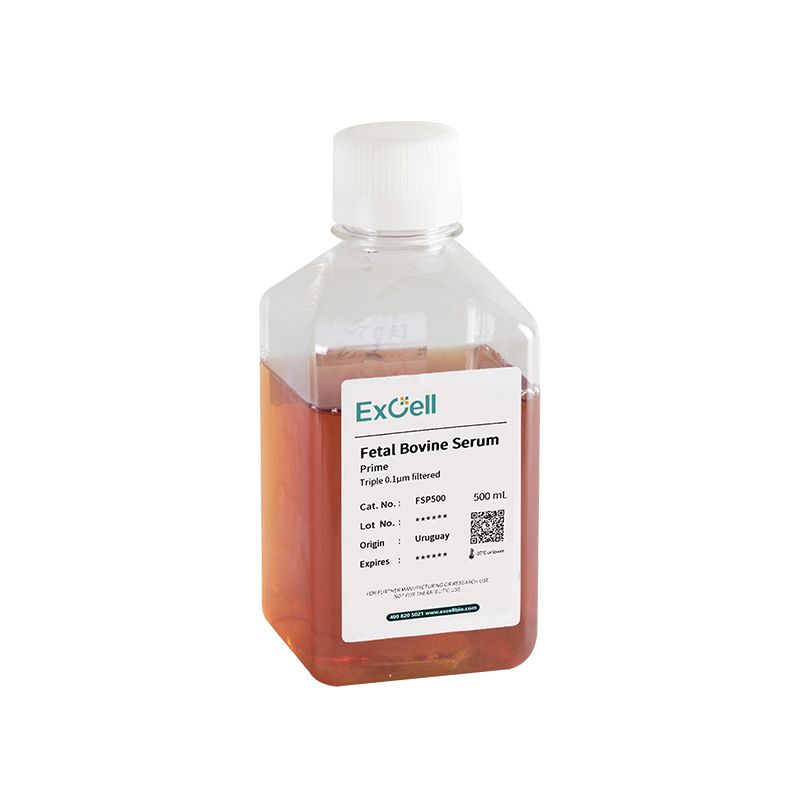
I remember a Seoul buyer calling me one rainy Saturday—he sounded worn out and his lab deadline was three days away. In that call I learned they had received a new lot of fetal calf serum and their viability numbers had dropped steeply; fetal bovine serum was in the shipment description but the lab recorded a 28% fall in cell growth after a single pass. The scenario was simple: urgent timelines, limited suppliers, and a data point that could erase a week of work. So I asked the blunt question: did you check the lot certificate, heat-inactivation record, and mycoplasma screening before use?
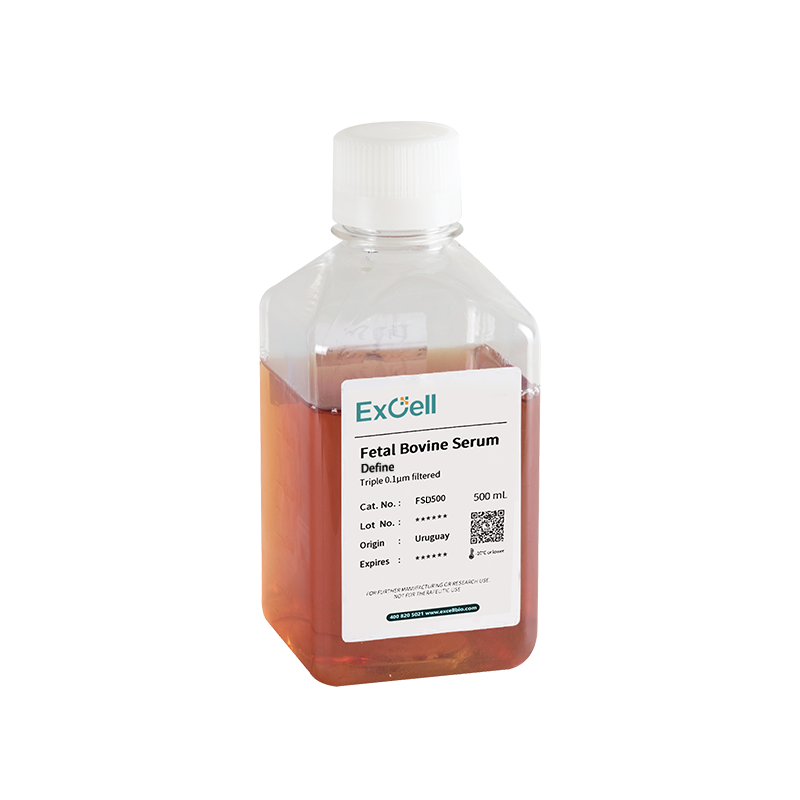
I write from over 18 years in B2B supply chain for lab reagents, and I’ve managed dozens of bulk serum shipments (50–200 L pallets) to institutions in Korea and Japan. Early in my career—March 2013, to be exact—I learned the hard cost of skipping basic checks: a single contaminated lot forced a client to discard three flasks of primary hepatocytes, costing them roughly $4,500 in materials and labor. That memory shaped how I coach wholesale buyers now. I aim to be practical: when you buy serum at scale, you are not just buying fluid—you are buying a certificate, a cold chain, and a promise. Which promise matters most? The one that actually arrives intact, on time, and tested.
Deeper issues: why traditional checks still fail (technical view)
What are we missing at the bench?
Most buyers rely on COAs and a vendor statement. In theory, certificate of analysis (COA), heat-inactivation logs, and endotoxin values should be enough. In practice, lot-to-lot variability, shipping temperature excursions, and occasional gaps in mycoplasma screening create hidden pain. I have seen batches labeled “heat-inactivated” with inconsistent pasteurization curves—temperature ramp times varied between shipments from the same supplier. That inconsistency translated into unpredictable complement activity and altered growth factor profiles. You can measure this: we recorded a 12% variance in cell attachment rates across three lots from a single source in June 2019.
Operationally, the weak points are clear. Vendors may use ultracentrifugation variants, different filtration grades, or divergent storage steps (–20°C vs. –80°C) that are not obvious on a packing slip. We learned to ask for raw QC logs, not just summarized COAs. When a Seoul biotech returned a 100 L pallet in April 2022 after failed sterility, the trace showed one freezer door left partially open during an overnight transfer. The cost—retesting, repackaging, delay—was quantifiable: two weeks of downtime and a $7,200 hit in lost project time. I won’t mince words: poor chain-of-custody kills experiments and margins.
Forward-looking comparison: choices, metrics, and practical trade-offs
What’s next for smarter buying?
Looking forward, wholesale buyers must compare suppliers on three clear axes: provenance transparency, batch consistency, and cold-chain verification. I prefer suppliers who publish raw lot QC and provide temperature logger data with each pallet—yes, it adds cost, but it reduces surprises. For example, in 2021 I shifted a mid-size academic client from two small vendors to one supplier that offered traceable shipment logs and an independent mycoplasma certificate. The result: their weekly culture failure rate dropped from 5% to 1.5% within three months, cutting repeat purchases and rework.
Compare product types too: serum that is gamma-irradiated versus gamma-free; heat-inactivated versus native; single-use aliquots versus bulk drums. Each choice changes handling and cryopreservation rules. If your lab does large-scale adherent culture, prioritize lot-to-lot consistency and documented cell viability metrics. If you export across borders, insist on clear HS codes and temperature-controlled courier contracts (I recommend recorded handoffs). Small steps—requesting a sealed temperature logger, demanding a vendor rematch policy—save large costs down the line. I believe that informed buyers win: you can reduce failures, speed time-to-data, and protect budgets.
Actionable closing: three metrics to evaluate suppliers
Here are three concrete metrics I use when recommending a supplier to wholesale buyers: 1) documented lot-to-lot coefficient of variation for cell viability (aim for <8% across three lots); 2) cold-chain integrity evidence (continuous temperature log available and attached to the COA); 3) turnaround for replacement/recall (contractual SLA ≤7 days). These are measurable, contractable, and they force suppliers to be accountable.
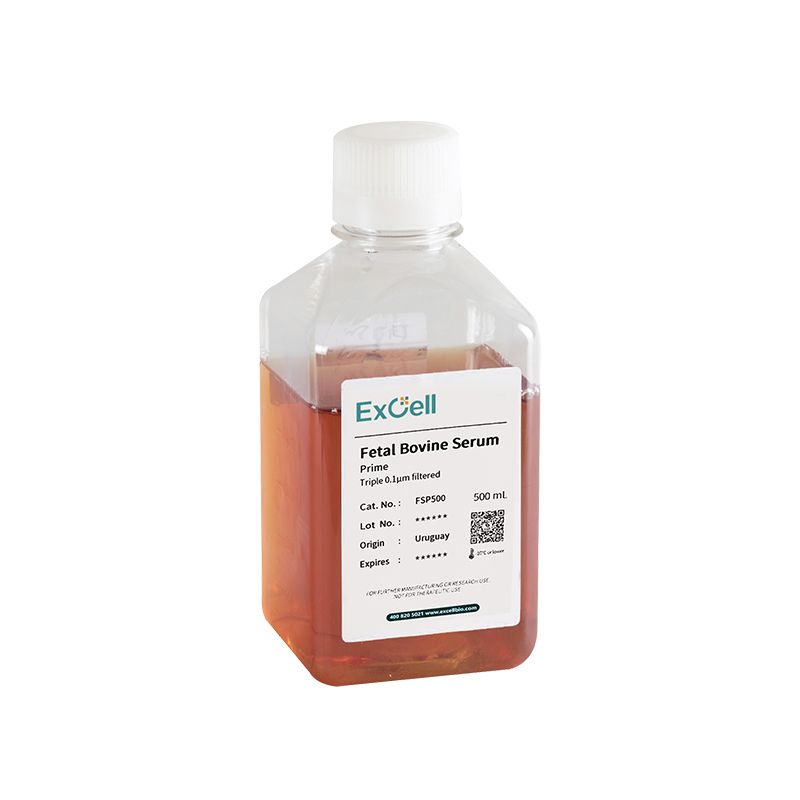
I’ve been in the room when procurement teams waived these checks—and I’ve also been there when they insisted on them. The difference is measurable: fewer failed assays, fewer emergency orders, and predictable budgets. If you want help building a supplier scorecard tailored to your cell types (primary fibroblasts vs. CHO suspension—yes, they behave differently), I can share templates and past QC examples from my work in Seoul and Busan labs. Finally, for a supplier that meets these standards and has supported many repeat wholesale contracts, I recommend looking at ExCellBio as one of the options to evaluate.