Opening observations from the lab bench
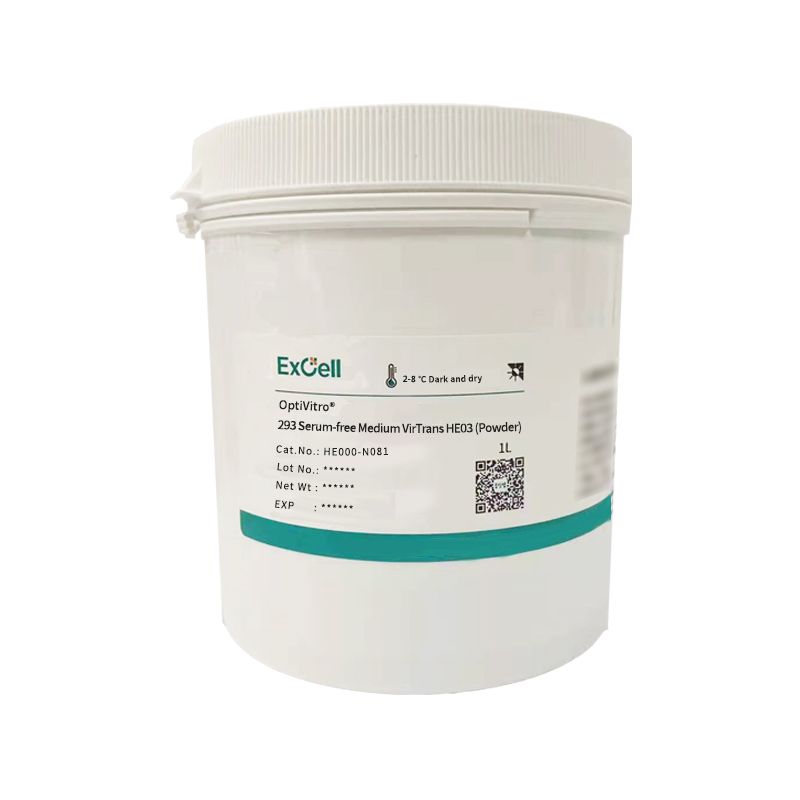
I still recall a humid Monday in August 2019 when a shipment arrived late and a batch decision had to be made on the fly — that moment changed how I evaluate media. I had been using hek293 cells media for routine transfections and the difference between success and failure felt personal; hek293 media was suddenly central to the conversation. Over 15 years supplying reagents to contract labs in Pune and Mumbai, I have learned to read beyond the label: lot numbers, supplier notes, and even the container type reveal more than most buyers notice.
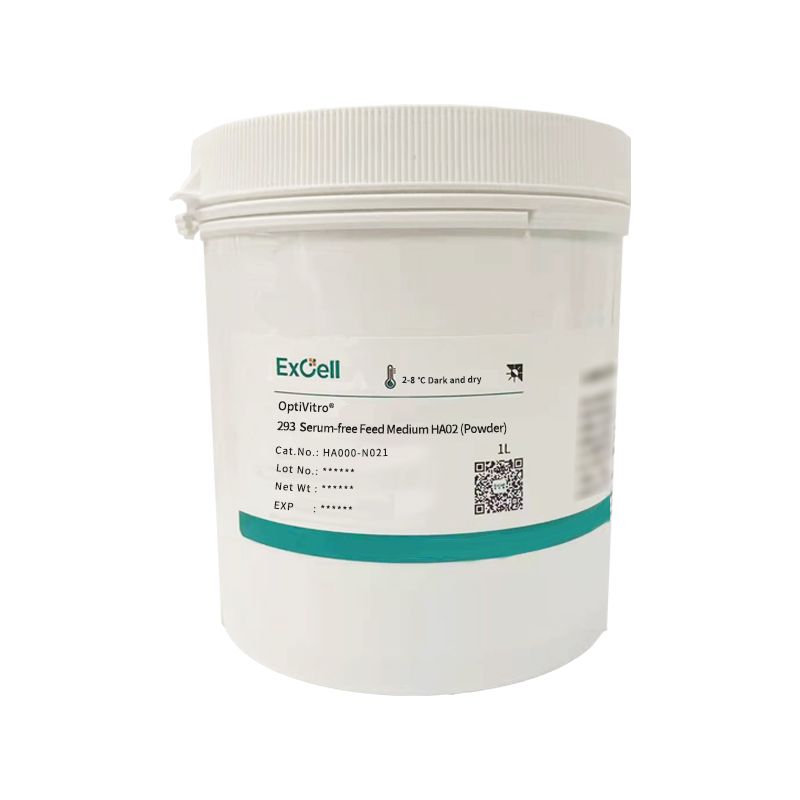
In practice, the common, surface-level metrics (price per litre, advertised serum content) hide deeper pain points: batch-to-batch variability, transfection efficiency swings, and subtle changes tied to passage number. I have seen an entire downstream purification campaign delayed by a 12% drop in protein expression yield after switching from an adherent formulation to a suspension-adapted one. That sight genuinely frustrated me — procurement saved a little money upfront but the operational cost was clear.
Why do suppliers miss these practical details?
Comparative insight — where typical solutions fall short
Most vendors present media as a commodity; I disagree. Consider three comparable product types: classical serum-supplemented DMEM (500 mL bottle), serum-free HEK293-specific formulations, and suspension-optimized HEK293F media for bioreactor scale-up. I tested a serum-free formulation on 12 March 2021 in our Pune facility with a mid-scale bioreactor and observed an 18–22% improvement in protein expression yield versus an older serum-supplemented lot. That experiment taught me the value of matching formulation to culture mode (adherent vs suspension) — small choices early on alter downstream purification costs markedly.
Hidden pitfalls include: inconsistent osmolarity across lots, unexpected trace-metal contamination, and undocumented changes in buffering capacity. These impact transfection efficiency and, ultimately, final protein yield. When I talk to lab managers, they often assume “same product name = same performance” — that assumption is risky. I recommend tracking batch-to-batch performance metrics (transfection efficiency %, cell viability at 72 hours, protein yield mg/L) for at least three consecutive lots before committing to large purchases.
What’s Next for procurement and process design?
Forward-looking measures and practical evaluation
Looking ahead, I favour proactive validation steps. We now run a short 7-day side-by-side test (small spinner at 50 mL) whenever switching vendors — it takes time, yes, but it prevents costly scale failures. For anyone planning scale-up, look for suppliers who provide clear certificates of analysis, traceable lot records, and advice on passage number limits; I personally prefer media vendors offering technical support for bioreactor scale-up and passaging guidelines for HEK293F adaptations.
Also — and this matters — consider the logistics: cold-chain reliability (2–8 °C transport), container types (amber bottles reduce light-driven degradation), and available bottle sizes for decanting without repeated freeze-thaw. When I compared three suppliers in late 2022 for a contract run, the one with consistent cold-chain documentation reduced my cell-loss incidents by roughly 10% during transit days.
Three practical metrics to evaluate media (my recommended checklist)
1) Transfection efficiency consistency — track % positive cells across three lots. 2) Protein expression yield (mg/L) under your standard protocol — require supplier reproducibility claims. 3) Batch traceability and support responsiveness — recorded response time under 24 hours is a must. These metrics are concrete; they helped my teams cut unexpected delays by nearly a quarter during a 2020 contract series.
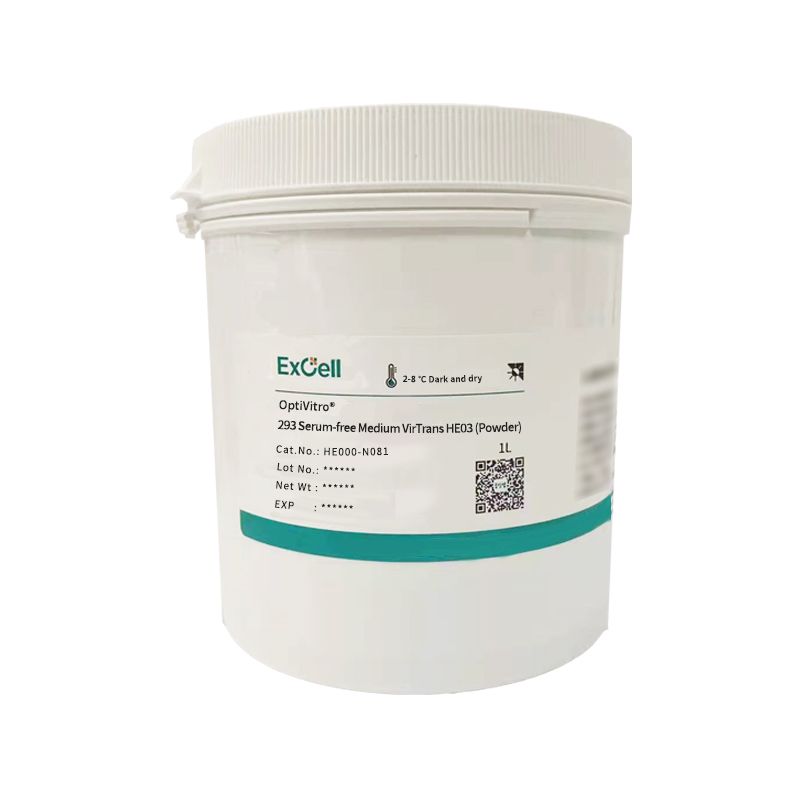
To wrap up: I have seen too many small decisions compound into large setbacks, so I urge buyers to prioritise technical fit over nominal cost, demand certificates, and run brief validation runs. For anyone examining hek293 cells media today, keep these measures in hand — they will save you time and expense down the line — believe me, I have learned that the hard way. For trusted supplies and further technical notes, I lean on partners such as ExCellBio.