
Introduction: A Quick Stop That Isn’t So Quick
You pull off the highway with 10% left and two kids asking for snacks. The map says a 120kw EV charger is free. But the last time you tried this stop, the cable got hot, the screen lagged, and the car only hit peak power for a minute. Data says many drivers aim for 18–25 minutes to reach 80% SOC, and site uptime can swing from 95% to 99% (a small number that feels big when you’re waiting). Now ask yourself: is it the charger’s label, or the way it manages heat, software, and the queue that makes the difference? In busy hours, shared power and heavy cables can slow everything down — even if the sticker looks fast.
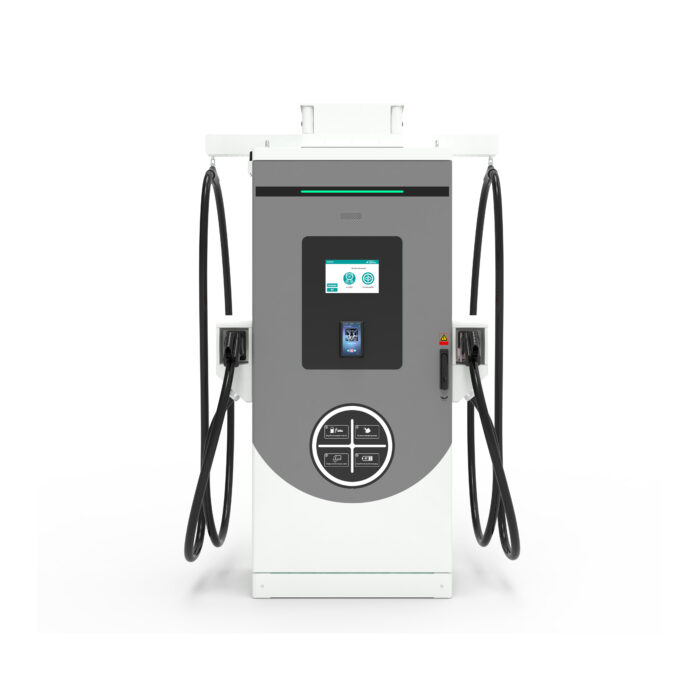
Think simple: steady output > noisy peaks, clear UI > guesswork, cooler cables > hot handles. So, how do you weigh those details without a toolbox? Let’s start from the common friction points (the hidden kind that only shows up when you’re tired) and then compare features that matter on the road. Ready for a kinder, faster stop? Let’s roll into the next section.
Where Traditional Fast Charging Falls Short
What’s the real bottleneck?
Systems like the 160kw DC EC charger reveal why older boxes struggle when traffic spikes. Legacy units often chase “headline watts,” but their power converters derate fast once the cabinet heats up. That means the first minute looks great, and the next ten feel slow. Add weak load balancing and you can halve real throughput when two cars plug in. Look, it’s simpler than you think: sustained power and smart sharing beat a big number on a label. Also, if the unit lacks robust OCPP support, the app handshake drags, sessions time out, and your “fast” stop becomes a do-over.

There’s more. Heavy cables without liquid-cooled jackets get hot and harder to handle, so charging drops to protect the connector. Old screens freeze; repairs wait on site visits; small faults hide until users complain. Modern designs with SiC power modules waste less heat and recover faster after a surge, so peaks stay closer to their mark. And when cooling, software, and contactors work in sync, you get less stop-start and better session flow. In short, the weak link is often not the grid—it’s the box’s ability to stay cool, share power, and talk cleanly to the car.
What’s Next: Compare by Principles, Not Just Power
Let’s shift from problems to the tech that fixes them—because that’s where real gains live. New platforms blend smarter power stages with better brains. They use edge computing nodes to watch temps, route current, and predict faults before they bite. Pair that with Plug & Charge (ISO 15118) and stronger OCPP stacks, and you cut start times and ghost errors. If your site mix includes 400 V packs, the 120 kw DC fast charger 40 option can be the sweet spot: easier thermal load, steady delivery, and less wait for drivers who don’t need ultra-high peaks. For higher-voltage cars or heavy use windows, a cabinet tuned like the 160kw DC EC charger keeps sessions brisk under stress—funny how the “right size” wins more often than the “biggest,” right?
So, what did we learn? Peaks are nice; sustained output is nicer. Smart cooling and clean software slash delays. And shared power done well beats a lonely fast port that idles. To choose well, use three simple checks: 1) Sustained power curve at 35–40°C with two cars plugged in (not just the headline wattage). 2) End-to-end session time, including handshake and payment, measured on real cars. 3) Uptime plus field service speed—mean time to repair and parts availability. Keep the tone practical. Compare like-for-like conditions. Then pick the box that holds its speed when the line gets long. For deeper specs and options, see winline EV charger.