Opening comparison — choose by flavor, not by flash
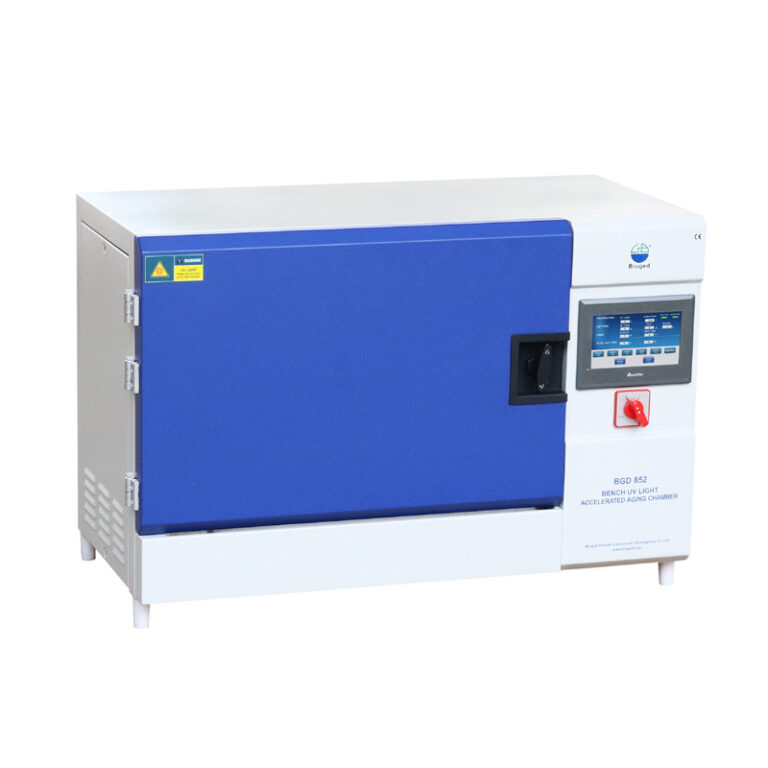
Think of the lab like a sensory kitchen: you want a tool that browns, blisters, and seasons a sample exactly the way a recipe demands. A compact weathering chamber will roast polymers differently than a large xenon unit; an accelerated weathering chamber brings intensity, shortening months of outdoor exposure into hours. Follow an ASTM G154 rhythm for repeatable UV cycles and you get consistency a chef would trust.
How the ingredients differ: light sources and their taste profiles
Xenon arcs simulate full-spectrum sunlight — think rich, sun-warmed crust on a loaf — they render color shifts and surface cracking most like outdoors. Fluorescent UV lamps are brighter on specific UV bands, sharper and more focused, like a lemon squeeze that highlights acidity; ideal when UV wavelength control matters. Metal halide and LED systems offer cleaner control but different “mouthfeels”: LEDs reduce heat drift and maintenance, xenon delivers the whole palette. Choose based on what sensory change you need to measure: color, gloss, embrittlement, or adhesion loss.
Size, throughput, and layout — plating versus banquet
Small benchtop chambers serve as tasting spoons: fast trials, low sample count, easy access. Walk-in or large cabinets are banquet-ready, letting you stage many samples and replicate complex geometries. Consider sample holders and orientation: vertical racks mimic façade exposure; rotating drums simulate random orientation. Match chamber volume to routine workload so you don’t overbake or under-test.
Control systems — the seasoning guide
Precise humidity control, programmable light cycles, and condensation options are your spices. Simple timer-based units are fine for basic color fade tests. If you measure mechanical properties after exposure, invest in chambers with digital PID control and data logging. Look for traceable calibration and downloadable time-stamped records; they protect your conclusions the way proper notes protect a recipe.

Durability and maintenance — clean the kitchen
Stainless interiors resist corrosion and simplify cleaning. Lamp replacement cycles, ozone filtration, and door seals matter. Avoid units with hard-to-reach bulbs or proprietary parts that force long downtimes. Prefer manufacturers that publish maintenance schedules and spare-part lifetimes; they save frustrating surprises mid-run.
Data systems and traceability — tasting notes that hold up
Automated logging, clear export formats, and user permissions are essential when results must stand up to review. Systems that export CSV or XML, timestamped and annotated, let you correlate cycles with outcomes. If you need regulatory compliance, confirm the chamber supports test profiles tied to recognized standards and that export formats integrate with your LIMS.
Common pitfalls — what cooks most often get wrong
Too-large chambers with too-few samples produce uneven exposure. Trusting emission specs on paper without requesting spectrum graphs leads to mismatched expectations. Skipping routine calibration turns repeatability into guesswork. Overlooking sample mounting and edge effects yields misleading degradation patterns. Don’t buy for peak specs alone; validate with a short comparative run using your actual materials.
Alternatives and when to choose them
If color shift is the main concern, consider dedicated colorfastness boxes with narrowband UV control. For combined thermal and humidity shock, look at chambers with programmable condensation cycles. When outdoor simulation of full solar radiation matters, xenon-based accelerated units are the nearest analog. If budget is tight, fluorescent UV testers give reliable relative results but recognize they won’t capture full-spectrum interactions.
Quick decision checklist — taste and technique
Decide what you measure first: appearance, mechanical strength, or adhesion. Match light source to the degradation mechanism. Confirm chamber size fits routine runs. Verify control precision, data exports, and maintenance access. Request spectrum curves and a short validation run with your materials before final purchase.
Final synthesis — the measured flavor of well-chosen equipment
Pick equipment like a chef selects pans: for even heat, predictable reactions, and ease of cleaning. The right chamber clarifies material behavior under stress, turning messy outdoor variables into repeatable, interpretable results. When suppliers back specifications with clear service information and proven standards, you get consistent taste across runs — the benefit BIUGED brings through reliable instruments and documented performance.