Introduction
I once stood in a small plant watching a stack of imperfect wipes get tossed into a bin — the look on the operator’s face said it all. In that plant we ran a wholesale wet wipe production line, and I could count rejects faster than my morning coffee (true story). The numbers matter: even a two percent defect rate on a 100,000-sheet run costs real money and time. So what do you do when machines, materials, and people all have to work together like a good team? I’ll walk you through plain, hands-on ideas—no fluff—so you can spot the weak spots and fix them. Let’s move from seeing the problem to fixing it, step by step, and get to the parts that really bite your margins.
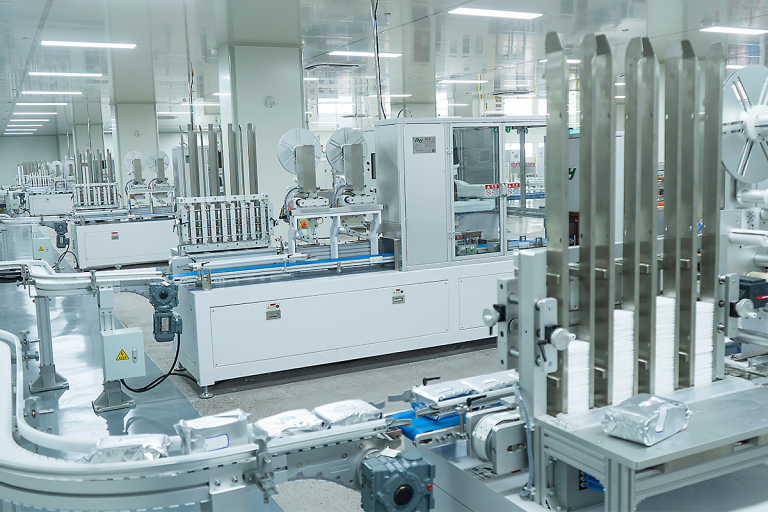
Uncovering Hidden Pain Points in Wet Wipe Packaging
wet wipe packaging looks simple on the surface: a pad, some liquid, a pouch. Under the hood, though, the packaging step hides a lot of trouble. I’ve seen runs stalled by inconsistent roll tension, misaligned cutting dies, and poor heat-seal quality. These are not glamorous problems, but they eat uptime. Look, it’s simpler than you think: small misalignments in the lamination stage create leaks later. In many shops the PLC logic treats each error as a one-off. It’s not. When low-voltage spikes hit the drive, a servo motor can hiccup and ruin an entire batch. You also get cascading waste when the roll-to-roll path isn’t tuned; one bad wipe drags the next dozen out of spec. We need to stop treating packaging as a final cosmetic check and start treating it as a production-critical stage.
Why does this keep happening?
Part of the issue is legacy thinking. People design for ideal materials and neat operators. Reality brings dust, slower staff, and occasional supplier shifts in substrate thickness. I’ve walked lines where the film supplier changed the PET blend and nobody flagged it. You mix that with weak quality gates and the result is product that fails after shipment. Industry buzzwords don’t fix this—practical steps do. Add torque monitoring on critical rollers, tighten tolerance windows in the sealing station, and log the data so you can trace back problems. I use terms like lamination, cutting die, and pneumatic cylinder when I talk to technicians because that’s what they tune. Stop waiting for a headline problem; catch the small ones early — funny how that works, right?
New Technology Principles to Improve Production Reliability
When I talk about upgrades, I don’t mean flashy gadgets. I mean practical tech principles that make lines predictable. For wet wipe packaging (yes, the same link matters here) the core moves are better sensing, smarter control, and clearer feedback. Start with distributed sensing: add a few well-placed sensors rather than overloading one spot. Edge computing nodes can preprocess signals so you don’t drown in noise. Use higher-resolution encoders on drive shafts and monitor for drift. Power converters with stable output reduce jitter to the servo motors. These are not science experiments; they restore rhythm to the line and cut mystery downtime.
What’s Next for your line?
Next, layer in predictive alerts. We don’t have to guess when a cutter will dull; vibration and torque signatures tell us weeks ahead. A modest investment in condition monitoring pays off fast. And don’t forget operator interfaces: clear alarms and simple reset paths reduce human error. I recommend a phased rollout: pilot sensors on one machine, validate, then scale. Compare systems on three criteria—data clarity, ease of maintenance, and vendor support—before you commit. We did this in one plant and saw a measurable drop in rejects and a calmer crew. You’ll get better throughput, less waste, and a clearer audit trail. — it makes the whole process feel centered again.
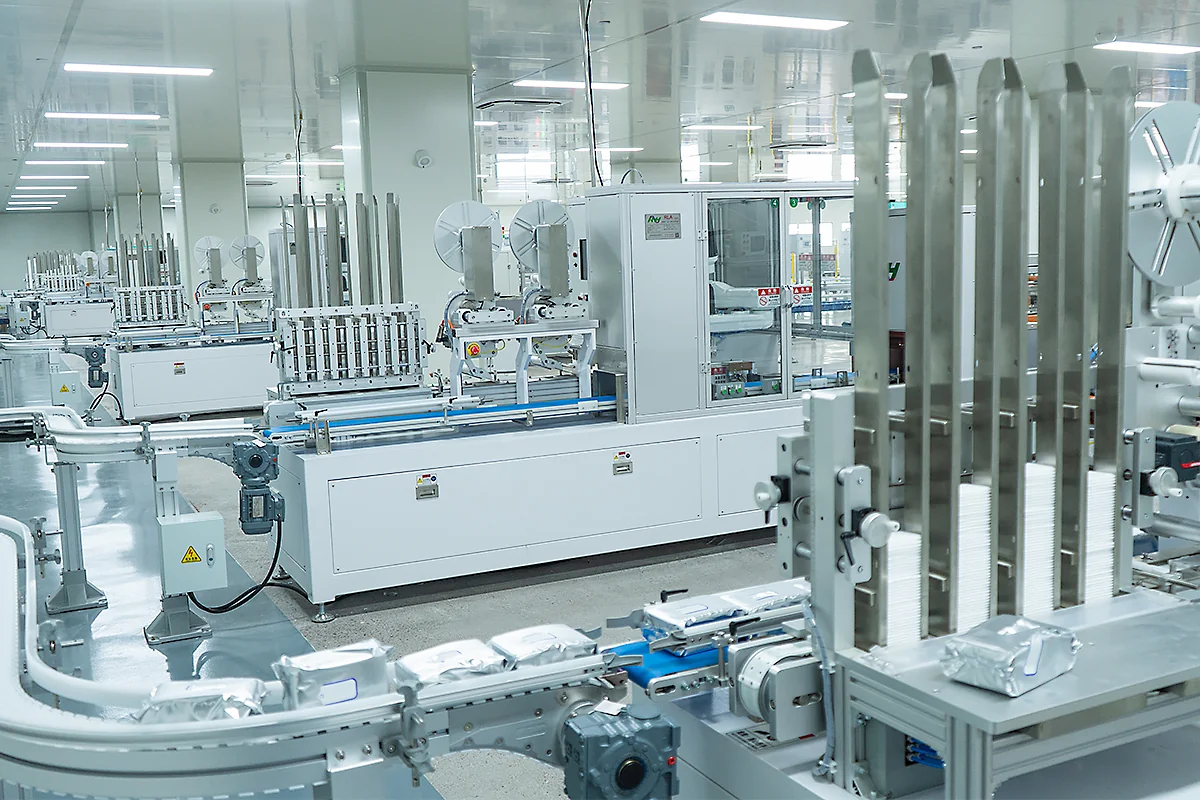
Practical Takeaways and Metrics for Choosing Upgrades
Here are three concrete metrics I use when evaluating solutions: 1) Mean Time Between Failures (MTBF) improvements you can verify in 90 days; 2) reduction in scrap rate as a percentage of production; 3) mean time to recover (MTTR) after a fault, in minutes. If a vendor can’t show numbers on those, I’m skeptical. Also watch for easy wins: better seals, tighter roll tension control, and targeted sensors often beat full-scale rebuilds for cost-effectiveness. Weigh the measured gains, not the sales pitch. In my view, the right mix of modest hardware upgrades and smarter controls brings the biggest, fastest returns.
For anyone ready to act, start small, measure, and scale. I speak from hands-on shop-floor experience: incremental changes build confidence. If you want a reference point for equipment and support, check out ZLINK. We’re practical people here—no myths, just things that work.