When a Busy Room Goes Quiet at the Wrong Time
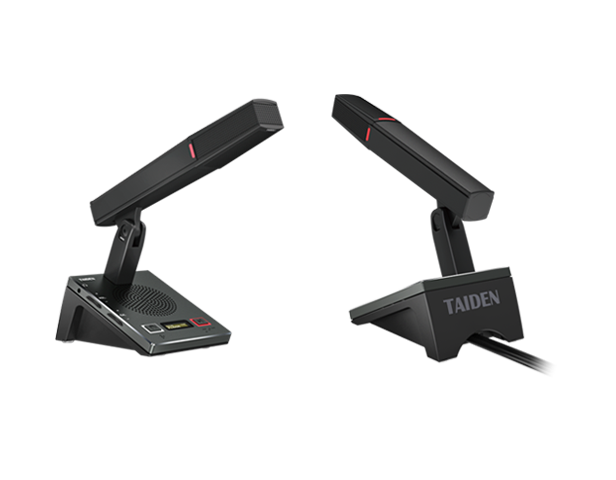
Ever sat in a meeting where the best idea got lost under a whisper and a shuffle of papers? In moments like that, the room feels loud yet unclear. A conference room mic system can fix that gap, but only if it fits how people actually talk and move. A trusted microphone manufacturer matters because design choices—capsule type, DSP, and power topology—shape what your team hears. Last quarter, one client told me their team missed key action items in 3 of 10 meetings due to poor voice pickup (sí, de verdad). How many decisions do you think slipped with them?
Here’s the thing: rooms are different, people speak from different angles, and hybrid calls are now the rule. Data backs it up. In mixed seating layouts, off-axis speech can drop usable SNR fast, and the “latency budget” for cloud meetings leaves little room for bad AEC. So, what should we compare—hardware, algorithms, or the full chain? Let’s set the scene and move from noise to nuance. Next, we’ll uncover where the old fixes break—and why.
Legacy Fixes vs. Real Needs
Where do traditional setups fall short?
Look, it’s simpler than you think. Classic table mics with a big analog mixer promised control, yet they chase problems they create. Fixed polar patterns miss side talkers; gain sharing turns one voice up and drags chair noise with it—funny how that works, right? Without smart beamforming, off-axis speech smears, and quick comments vanish under HVAC rumble. Add long cable runs and mixed power converters, and you invite hum and ground loops. Even with a strong DSP, you fight poor SNR before the signal is “clean.” PoE helps, but not when devices add jitter that eats into the latency budget. And when rooms get reconfigured, rigid layouts show their age; you spend time re-tuning instead of meeting. The hidden pain point is not volume—it’s coverage and intent. Who is speaking, from where, and how fast can the system lock on? If your capture is slow, your echo canceller works harder and your remote side gets artifacts. That is why comparing brands only by mic count or frequency response misses the point. You need a system view: pickup geometry, algorithm speed, and management tools that adapt to the real room.
Principles That Change the Game
What’s Next
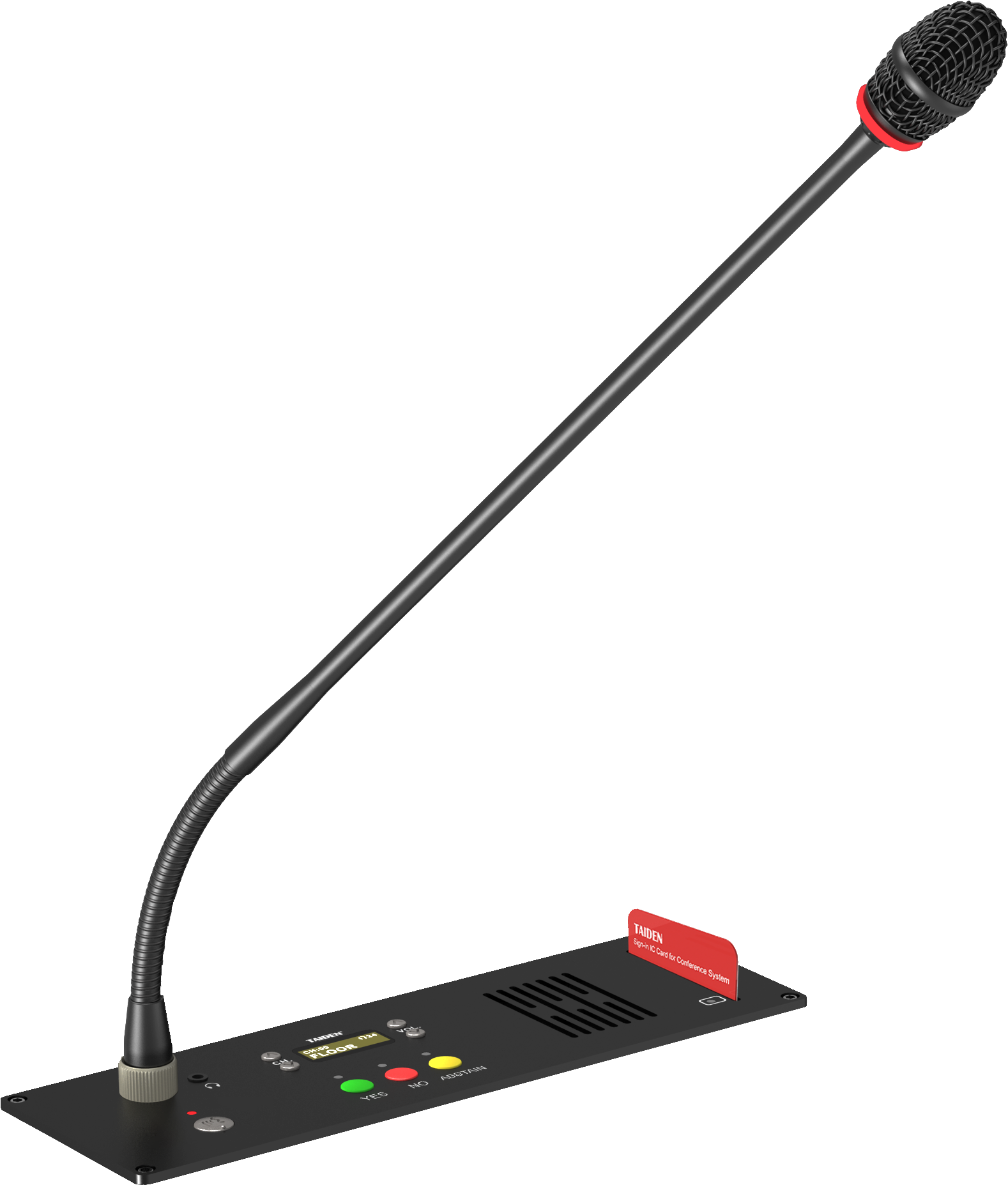
Now let’s go forward. New systems shift the heavy lifting to smarter endpoints and edge computing nodes. Microphone arrays steer beams in real time, guided by voice activity and position cues (not just loudness). Algorithms pre-shape the signal close to the talker, so the DSP downstream works less and preserves clarity. Think of it as “capture with context.” When the system identifies the active seat, the auto-mixer doesn’t ask, “Who’s loudest?” It asks, “Who’s speaking?” And the conference chain—codec, AEC, and noise suppression—stays stable. In larger councils, the logic extends to roles. A linked chairman unit can prioritize floor control and speech routing, so side comments don’t overrun the agenda—small detail, big impact. Config tools also simplify life: presets for lecture, roundtable, and hybrid sessions switch pickup strategies in seconds. Latency stays low. Voices stay present.
Compared with legacy rigs, the gains are clear: less re-tuning after furniture moves, faster lock-on to casual speech, and better remote intelligibility at lower bitrates. We’re not chasing noise anymore; we’re shaping intent at the edge—and yes, that matters. The takeaway so far? Good sound is not louder; it’s faster to the point, smarter at the source, and calm under pressure.
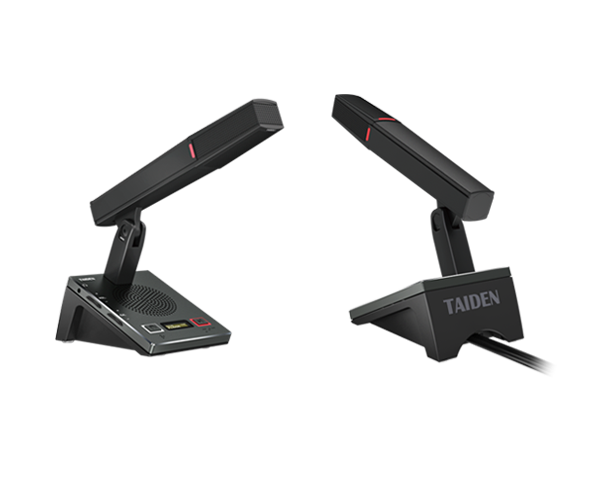
Before you choose, keep three practical checks in mind. First, coverage logic: does the system prove beamforming performance with real off-axis tests and consistent SNR? Second, control and roles: can the platform blend array mics with a managed chairman unit and keep floor order without clipping natural flow? Third, end-to-end readiness: how does the chain perform under real UC loads—packet loss, bandwidth swings, and your room’s noise floor? Evaluate on these, and your next meeting will sound like your team thinks: clear, fast, and focused. Brand to explore, with depth in these areas: TAIDEN.