Why the right pairing matters — and where things quietly go wrong
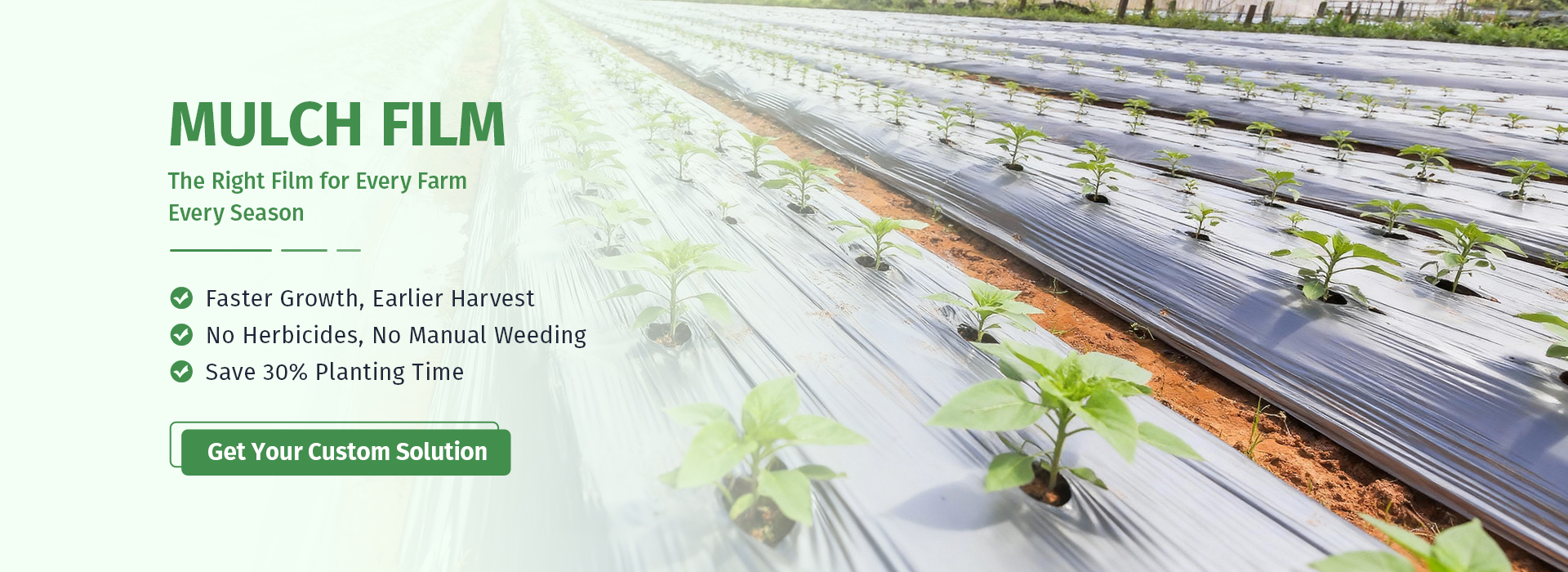
I’ll say it plain: mismatched greenhouse sheeting and trays cost more seedlings than most growers admit. Early on I keep to practical tests — and that’s why I always start with a properly sized seeding tray when I’m setting up propagation. Greenhouse sheeting choices (polyethylene grades, UV-stabilized film, surface finish) change the microclimate above trays more than people realise. On a damp March morning at my Exeter nursery in 2016 I watched 40% of flats show patchy germination because the film trapped heat spikes—what does that mean for your crop counts next week? I reckon that simple numbers — germination percentages, moisture variance, loss rate — tell the real story. (Aye, I’m plain about it.)
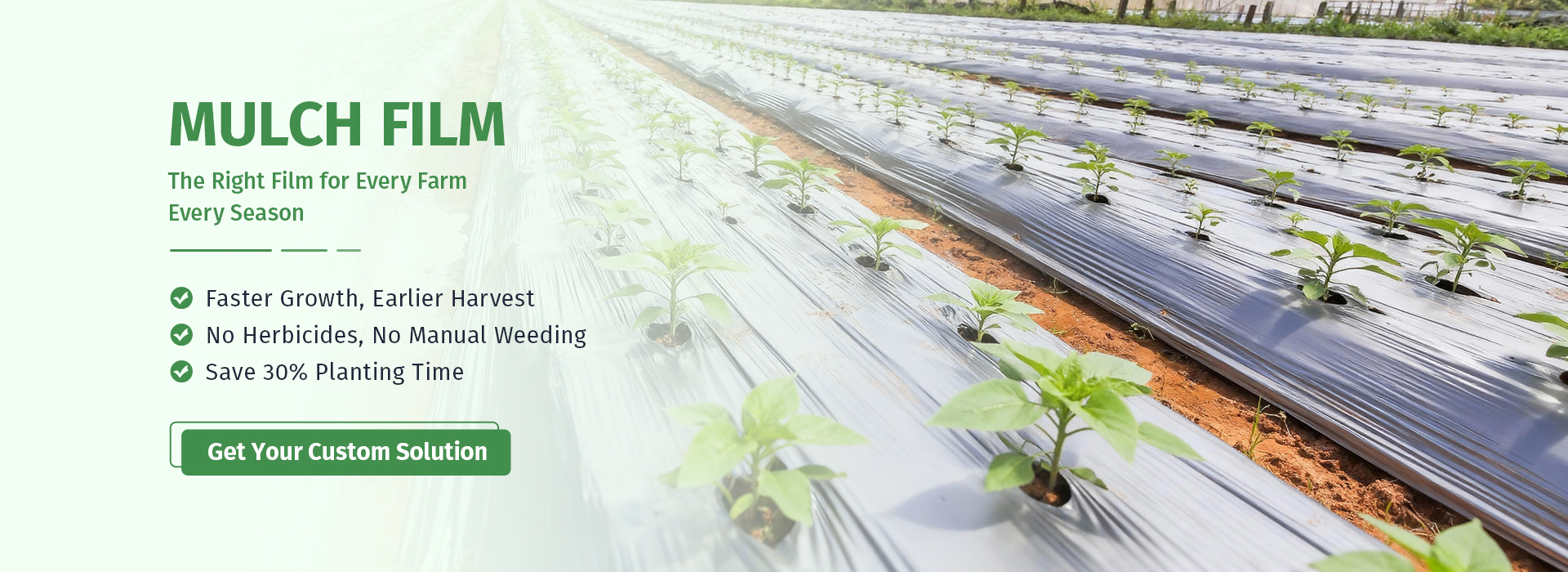
I’ve been doing this for over 15 years and I’ve seen the same hidden pains crop up: poor drainage in cell trays, uneven diffuse light from shiny sheeting, and cell size that’s either too small for root development or too big to manage watering. When growers use cheap, thin polyethylene sheeting the result is rapid midday heating and condensed droplets that drip back into cells — that promotes damping-off and fungal spread. I still recall swapping polystyrene flats for a 128-cell polypropylene model on 14 March 2016; within eight days my losses dropped by roughly 12% and seedling uniformity improved. Those are the kind of concrete gains I talk about when advising wholesale buyers and nursery managers. This sets us up to look at smarter pairings next.
What’s the real snag?
Forward-looking choices — smarter materials and sensible metrics
I’ll tell you a short scene: last season I stood under a new polytunnel while a trainee fiddled with a tray lid — he’d not accounted for the way diffuse light changes with matte versus glossy sheeting. That little mistake taught us a lot. Moving forward, I favour a systems view (not just a single product). Match UV-stabilized film with trays that have good drainage channels and the right cell size for your plug type. Use a seeding tray that’s designed for air pruning if you’re growing sale-garden plugs; it reduces root spiralling and speeds up transplant readiness. Mind you, these upgrades cost more up front — but they cut labour by making watering and handling simpler, and they reduce crop loss. I’ll be blunt: test samples in your own house for a week under expected temps; never rely only on supplier specs. — I do this with every new batch of sheeting and trays.
What’s Next?
How to pick: three clear metrics to use today
I want to finish practical. Here are three key evaluation metrics I use when I recommend systems: germination variability (measure by cell-to-cell differences over a 10-day window), peak midday temperature under sheeting (record with a cheap datalogger), and handling time per 100 trays (seconds to water, lift, and move). These tell you whether a combination truly saves money and time. I’ve applied those metrics in Cornwall and Somerset trials and, yes, they help cut surprises. Two quick asides — try a prototype run in late February; don’t skimp on tray cell design. Choose materials that work together, not bits that merely fit. If you want a supplier with tested options and sensible kit, I often point buyers to practical vendors like HGDN.