Measured failures taught us what matters
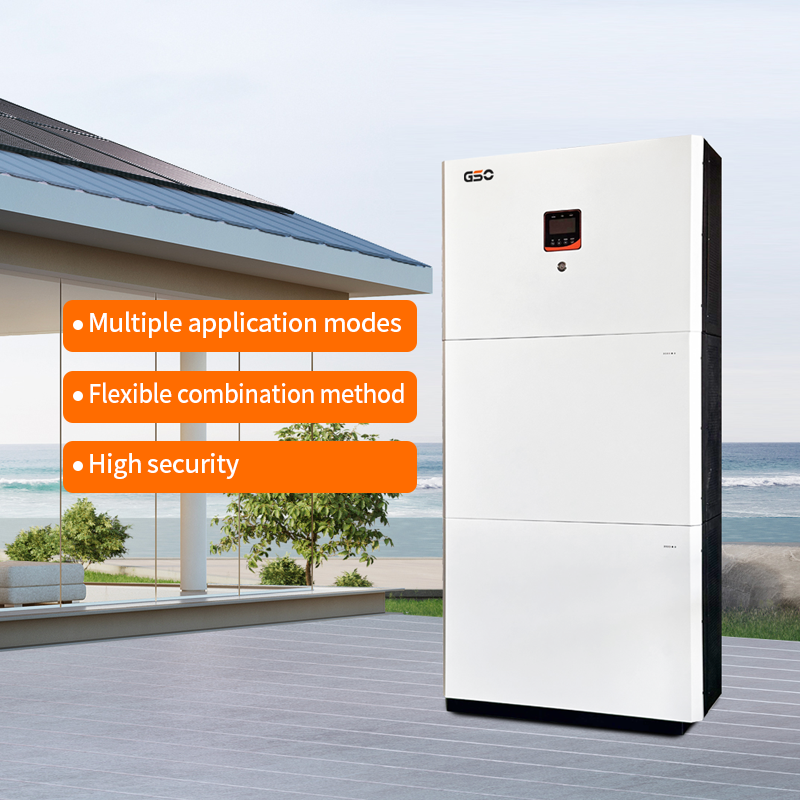
I’ve watched systems fail where it counted — hospitals, manufacturing lines, municipal water plants — and the numbers tell the story. During the February 2021 Texas winter storm, millions went dark and some critical commercial sites lost hours of uptime, demonstrating how traditional backup generators and delayed switchover UPS setups can leave a gap. Data from those events pushed facility managers toward integrated battery approaches that combine PV, inverter controls, and robust battery energy storage. For sites that cannot tolerate interruption, an all in one storage model now appears repeatedly in post-event analyses as a reliable solution.
Why zero-transfer matters for critical C&I
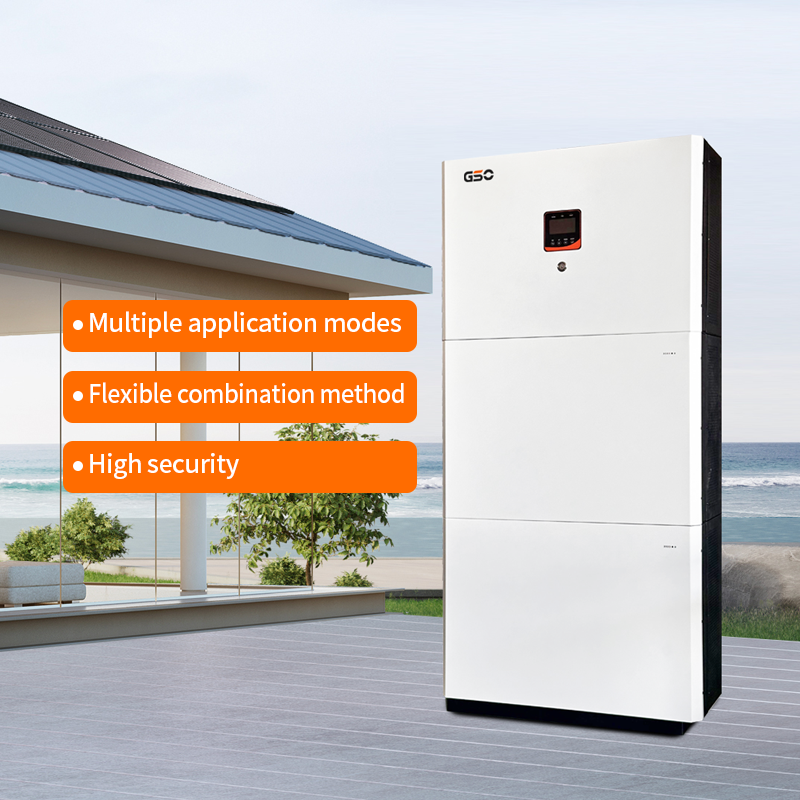
Zero-transfer UPS capability eliminates the milliseconds to seconds of downtime during switchover — and in some industries even that fraction causes safety trips, data corruption, or product loss. Measured outcomes show fewer process restarts and lower yield loss when power transfer is seamless. The engineering pieces are simple in name: inverter control, fast transfer switch, and a properly sized BESS. What isn’t simple is matching those pieces to real load profiles and backup duration requirements.
Architectural trade-offs: integrated systems vs. piecemeal builds
When you compare a classic generator-plus-UPS approach to an integrated PV-plus-BESS architecture, the trade-offs are clear on paper and in field reports. Generators offer long-duration energy but require maintenance, fuel, and warm-up time. A BESS with PV can deliver instant cover, grid services, and predictable response — provided the inverter and control software are tuned for zero-transfer UPS operation. Considerations include:
– Transfer latency and synchronization settings.
– Battery chemistry and depth-of-discharge planning.
– Integration with site SCADA and existing protection schemes.
Choosing all-in-one solutions reduces integration errors and shortens commissioning time, while separate components give more vendor flexibility — but more room for mistakes like mismatched communication protocols or undersized inverters.
Field lessons and common mistakes — learned the hard way
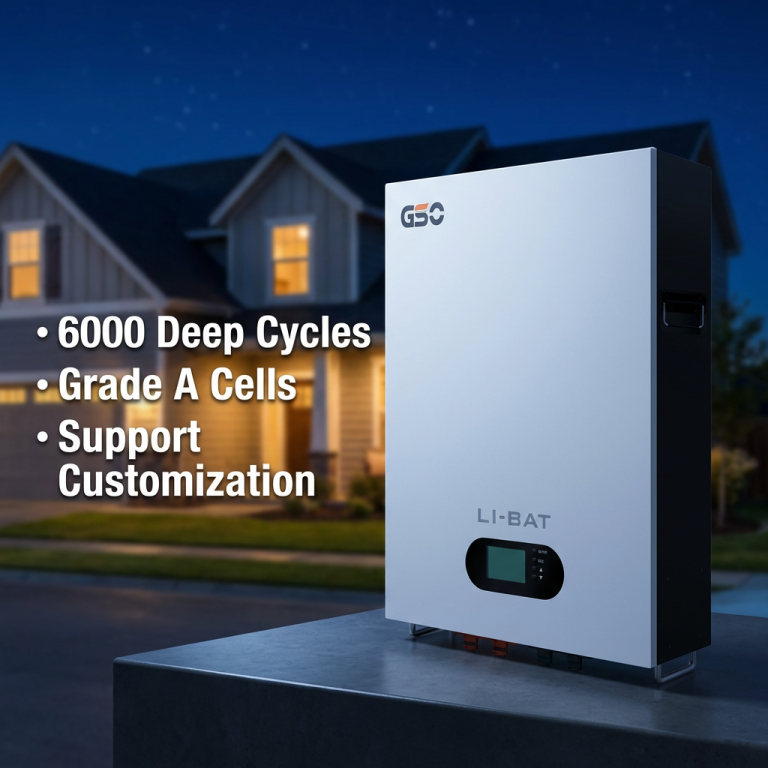
From inspecting installations after outages, the common missteps are predictable: undersizing the inverter for motor start currents, neglecting thermal management for the BESS, or assuming PV will supply power during nighttime outages. One hospital I reviewed had a BESS installed but hadn’t configured the transfer logic for true zero-transfer; they still saw brief outages during a grid glitch — small, but disruptive. These details matter — a good design accounts for worst-case surge, not just average load. Also, don’t forget regulatory and safety interlocks; skimping there can delay approval.
Performance signals that actually matter
Decisions should rest on measurable metrics, not vendor promises. Use these three evaluation metrics as your golden rules:
1) Transfer Time and Holdover: Verify manufacturer test data for zero-transfer UPS capability under full-load switching scenarios.
2) Cycle Life and Usable Capacity: Match battery chemistry and usable kWh to the expected outage profile and charging opportunities from PV.
3) Integration and Controls: Confirm inverter firmware, BMS telemetry, and SCADA APIs are compatible and proven in similar C&I deployments.
Putting a plan into practice
Start with a short resilience model: map critical loads, define acceptable outage windows, and simulate worst-case events. Pilot one zone with a stacked PV + BESS approach, then scale. Remember to budget for periodic testing — systems need exercises just like staff do. If you’re weighing vendors, consider proven integrated units labeled as all in one commercial energy storage, because they reduce integration risk and often carry comprehensive test data you can audit.
Closing rules of thumb
Stick to the three golden rules above, insist on third-party test reports, and plan for maintainability. You’ll get measurable uptime, simpler operations, and a clearer path to combining onsite PV with battery reserves — outcomes that matter to operations and to the bottom line. For practical deployments that must work the first time, I recommend evaluating integrated solutions and vendors with documented field results, like those you can review from experienced suppliers — gsopower. Final thought: start small, prove the metrics, then scale — it keeps the lights on and the production steady.