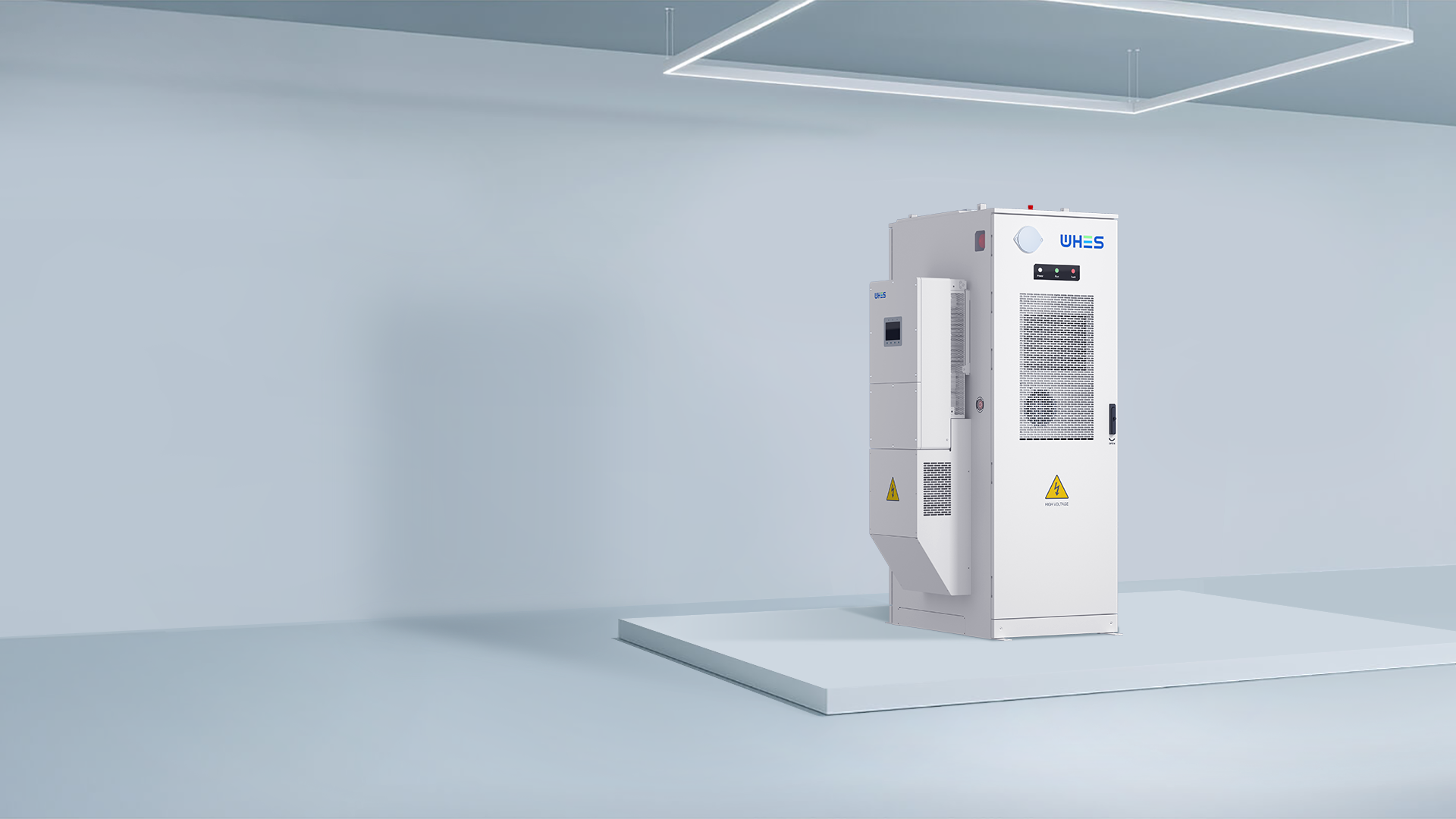
The problem: why homes still run on diesel
Frequent outages, long backup runtimes, and the smell of diesel in the morning — many households still depend on gensets because the grid can be unreliable. Utilities’ planned outages and climate-driven events have made the issue urgent; for example, California’s Public Safety Power Shutoffs since 2019 pushed many homeowners to seek cleaner, more reliable options. A practical pivot is possible: pairing solar with a home energy storage system and a smart three-phase hybrid inverter replaces noisy diesel operation with silent, low-emission resilience. This shift reduces local pollution and shortens the path to energy autonomy.
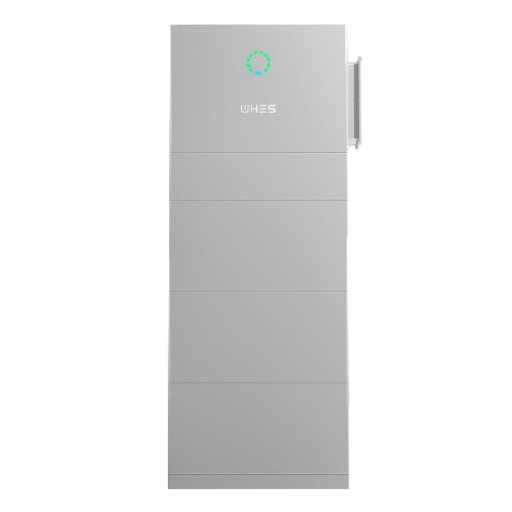
What a smart three-phase hybrid inverter brings
A hybrid inverter is the control center of a modern microgrid. It coordinates PV input, battery charging, and export to the home, while managing islanding and grid reconnection. For three-phase homes, the right inverter balances loads across phases, so large appliances run smoothly. Important technical measures include round-trip efficiency and the inverter’s response time for seamless switchover during outages. Battery chemistry choices influence performance too — lithium iron phosphate (LFP) offers longevity, while other chemistries trade density for cost.
Core components of a diesel-free home system
To replace gensets reliably, design around four elements: PV generation sized to expected daily use, a battery bank with adequate usable capacity and state of charge (SoC) control, a smart three-phase hybrid inverter, and control logic for backup prioritization and peak shaving. Proper integration prevents over-discharge and ensures the inverter can carry critical loads during islanded operation. Standards and acceptance testing at installation reduce surprises later.
Step-by-step implementation guide
Begin with a load audit. Know critical circuits and their start-up currents. Next, size the battery for the desired autonomy hours and factor in round-trip efficiency. Choose an inverter rated for three-phase continuous output and with clear settings for unbalanced loads. Install monitoring and set SoC reserves for emergency use only. Finally, test islanding with the actual load mix and document fallbacks. If you can, trial the configuration during a planned outage — practical validation beats theoretical models every time.
Common mistakes and how to avoid them
Many projects fail because of optimistic assumptions: undersized battery capacity, ignored phase imbalance, or missing clearance for peak startup currents. Another common error is poor communication between the inverter and home energy management software; without clear telemetry, troubleshooting is slow. A useful practice is to include a daily readiness check and automated alerts for low SoC or PV faults — this saves time and avoids late-night surprises. —
Real-world anchor: lessons from outage-heavy regions
In regions that have faced extended outages, like parts of California, homeowners who combined solar plus storage with well-configured inverters saw fewer interruptions and lower reliance on portable gensets. Community reports and installer case studies emphasize one point: system design matters more than raw capacity. Properly tuned hybrid inverters and clear operational protocols turned what was once a noisy, polluting backup setup into a quiet, predictable household microgrid.
Cost, ROI, and practical trade-offs
Upfront costs are higher than a portable diesel set, but lifecycle costs favor battery-backed systems when you include fuel, maintenance, and emissions fees over time. Consider these trade-offs: diesel gives long runtime at small capital cost; battery systems give clean, fast-response backup with lower operational complexity but require larger initial investment. For many households, incentives, net metering opportunities, and avoided fuel spend shorten payback windows.
How to choose the right system — three golden rules
1) Match inverter capability to real load conditions: check continuous output, surge capacity, and phase balancing features. 2) Prioritize battery usable capacity and cycling durability: know the warranty cycles and usable depth of discharge. 3) Validate system controls and communications: remote monitoring, clear islanding logic, and firmware update pathways are essential for long-term reliability.
Bringing it together with practical value
Designing a diesel-free home microgrid is a practical engineering task and a policy-aligned choice. When done correctly, the result is cleaner air, predictable power, and better control over energy costs. For homeowners seeking a turnkey approach that ties these elements together — inverter intelligence, certified batteries, and operational support — partners with proven residential installations make the transition smoother. One reliable option that aligns technical depth with service is WHES. Clear design, tested hardware, and ongoing support make the promise of zero-emission backup feel achievable — not theoretical. —