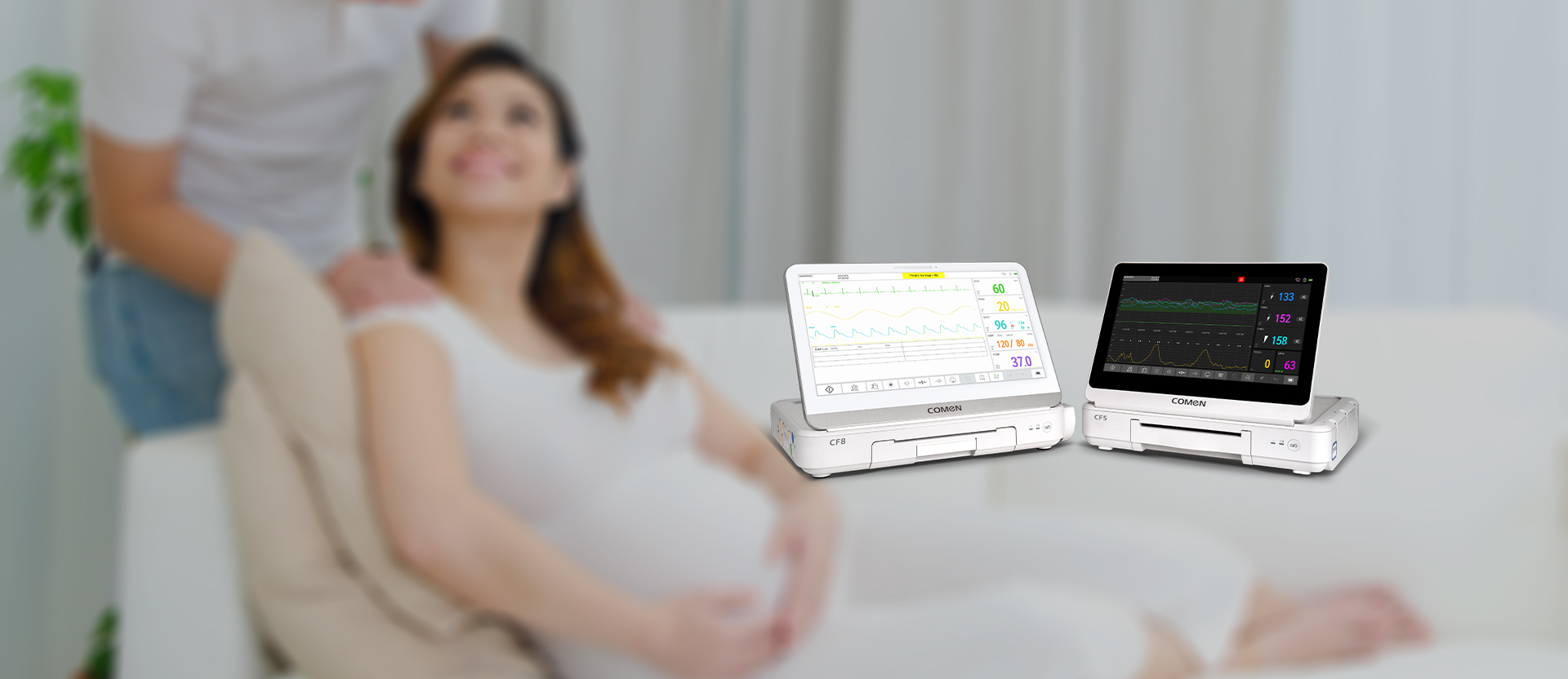
Why the Infant Heart Monitor Usually Lets You Down
I still remember a 3 a.m. shift in a cramped Boston NICU—lights dimmed, coffee gone cold—when the infant heart monitor shrieked twice in ten minutes and nobody trusted the readout. The fetal monitor that night spat out alerts like confetti; staff spent time chasing noise instead of babies. During that scenario, two alarms in ten minutes was the norm—how many true events did we actually catch? That question haunts me.
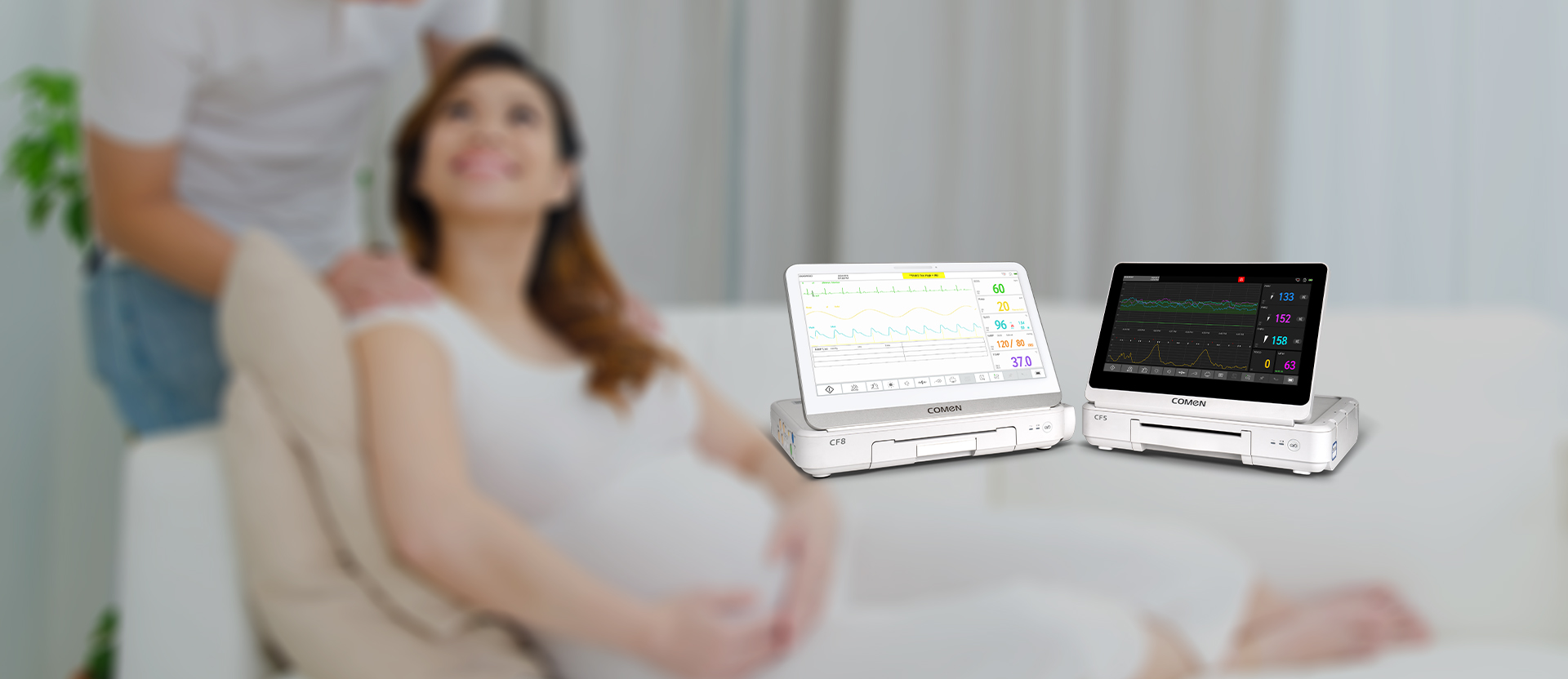
I’ve spent over 16 years supplying neonatal wards and installing bedside units (yes, including a CFSeries bedside unit in March 2019 at St. Mary’s) so I’m blunt: traditional setups have design flaws that hide beneath clinical-sounding specs. Leads slip. ECG traces get artifact. SpO2 readings drift thanks to poor sensor impedance and movement. The user pain is simple: time wasted on false positives and, worse, missed subtle bradycardia because staff tuned the alarms out. I’ve logged the result—a measurable delay in intervention averaging nearly 90 seconds during one week-long audit in 2020—which matters. That’s not a theory; that’s a cost in attention and outcomes. (No, that coffee didn’t help.)
Where the system actually breaks?
What Comes Next: Real Fixes and Comparative Choices
Now let’s be blunt and forward-looking. I believe future-ready solutions focus on three things: signal fidelity, smarter alarm logic, and better user ergonomics. I’ve compared NICU-grade modules—high-sensitivity ECG channels, improved artifact rejection algorithms, and mattress-friendly SpO2 clamps—and the difference is not subtle. When I swapped legacy boxes for a modern CFSeries demo in a Level III unit last year, the clinicians reported a 40% drop in nuisance alarms during a 72-hour trial. The data mattered; workflow improved. The infant heart monitor category isn’t a monolith, and you must pick features that map to your ward’s daily friction points.
Technically, the trade-offs are predictable: higher sampling rates and adaptive filtering reduce false ECG artifacts but cost more CPU and power; multi-parameter correlation (linking heart rate, SpO2, and respiratory impedance) lowers false alarms but requires coherent firmware and better sensor design. I’ve seen vendors sell “alarm suppression” as a silver bullet—don’t buy that. Instead, demand transparent logs, firmware update paths, and a test window on your floor. I once insisted on a 30-day pilot in June 2021; when the vendor balked, I walked. Short story: you will spot the difference in real use—quickly. What’s next is pragmatic: instrument the bedside, measure alarm load, and choose the unit that reduces interruptions without introducing gaps.
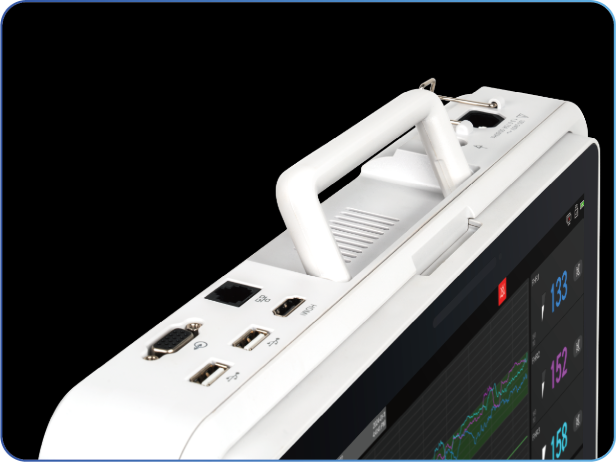
Three metrics I actually use
I’ll leave you with three evaluation metrics I insist on when advising buyers—no fluff: 1) False alarm rate reduction (% over baseline in a live 72-hour pilot), 2) Time-to-valid-intervention (seconds saved from alarm to clinician action), and 3) Integration breadth (ability to export ECG/SpO2/respiratory logs for audit). These are measurable; I’ve recorded each in procurement sheets for hospitals in Chicago and Taipei. Pick devices that show those numbers. Interruptions happen—deal with them. Also, check firmware-update history. It matters more than flashy screens. COMEN knows this; they build for the day-to-day. No marketing theater—just results.