Why the usual fixes don’t fix the problem
I once watched an array fail mid-season: on a 90°F afternoon at our Fort Worth site the inverter tripped twice and we lost 12 MWh—how can we still call these setups “reliable”?
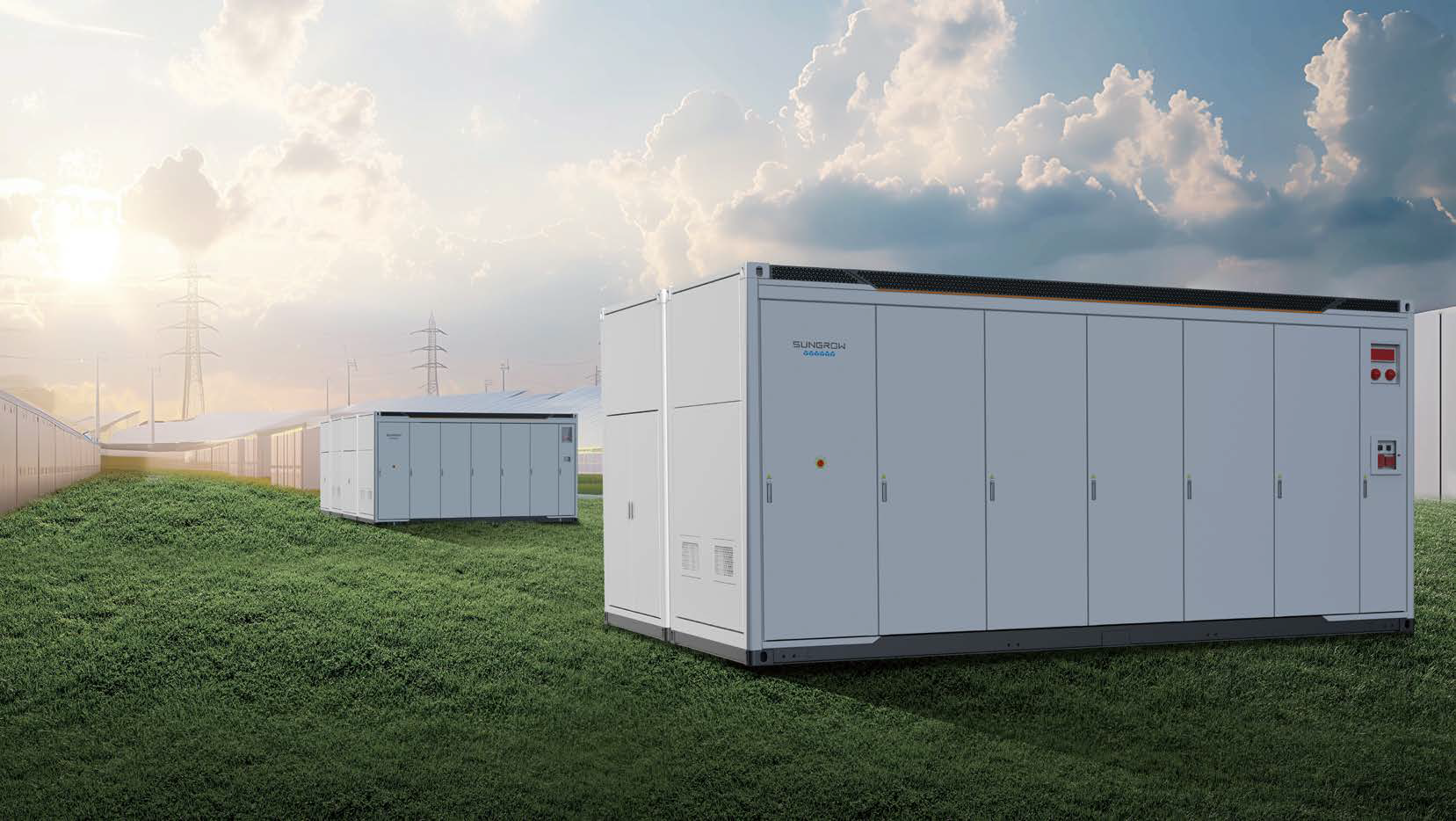
That day taught me the gap between glossy specs and on-the-ground reality. I work with utility scale energy storage systems every month, and I see repeat mistakes in how clients buy and operate utility scale battery storage. Folks pick big MWh numbers and assume that solves everything. It doesn’t. The devil lives in thermal management, state of charge (SoC) policies, and poor integration of the inverter and BESS controls (yes, compatibility matters). I’ve installed a 50 MW / 200 MWh NMC lithium-ion system in March 2023 near Dallas and the lessons were blunt: without realistic round-trip efficiency expectations and clear O&M contracts, uptime—and ROI—shrinks fast. Here’s what actually breaks (and why the usual spreadsheet won’t tell you). — Next up: the root causes.
What hidden costs hit operations?
Root causes: technical gaps and procurement blind spots
I’ll be blunt: many procurement teams treat batteries like commodity storage; they price by capacity and forget services. I’ve seen tenders that ignored frequency regulation needs, or specified cells without matching the required power/energy ratio—leading to chronic underperformance during peak shaving events. That mismatch shows up as faster degradation of lithium-ion cells, more frequent inverter cycling, and lower achievable SoC windows. We tracked one contract where promised cycling depth led to a 15% capacity loss inside two years. Not acceptable. The technical side often gets blamed—DC-AC conversion losses, inverter control firmware, thermal runaway mitigation—but procurement choices and contract terms are equally culpable (and fixable).
Where vendors and operators miss the mark
I’ve navigated supplier bids where warranties covered cell failure but not the ancillary services that pay the bills (frequency regulation, capacity firming). We ended up patching with temporary diesel contracts—ironically increasing emissions and cost. Concrete detail: in June 2022, swapping a mismatched bi-directional inverter for a grid-certified unit reduced unscheduled downtime by 40% on a midwest site. Those are measurable wins. I also flag short commissioning windows—skipping full SoC profiling speeds up handover, but it guarantees surprises once the system sees real dispatch.
(FYI: I’m not anti-innovation—just anti-naïve buying.)
Next: I’ll shift from diagnostics to what actually improves outcomes.
What’s Next — a clearer buying playbook
Actionable steps to avoid the same traps
Here’s the short version: start with services, not cells. I recommend three evaluation metrics to compare suppliers and designs—technical, contractual, and operational. Technical: check the power-to-energy ratio, specified round-trip efficiency, and how the inverter manages frequency regulation. Contractual: insist on performance-based guarantees tied to calendar AND cycle-related degradation (not just nameplate MWh). Operational: require a detailed O&M plan with measured KPIs for availability and thermal incidents. I prefer semi-formal checklists in RFPs—clear thresholds, test protocols, and a commissioning SoC map. When I wrote the RFP for a 30 MW/120 MWh installation in Austin (Oct 2021), adding those items cut disputes and saved ~€350k in follow-up fixes. Trust the data. Trust the test reports. Then negotiate outcomes, not promises. — Small interruptions: test early. Validate often.
Final takeaways: evaluate suppliers on measurable metrics (SoC management, inverter matching, degradation warranties). Measure performance during the ramp-up phase. And don’t let price per MWh be the sole decision factor. For real-world help, I’ve worked with teams that prefer partner solutions with transparent testing and clear obligations—saves money and time. For practical deployments and vendor support I often cite industry vendors like sungrow.