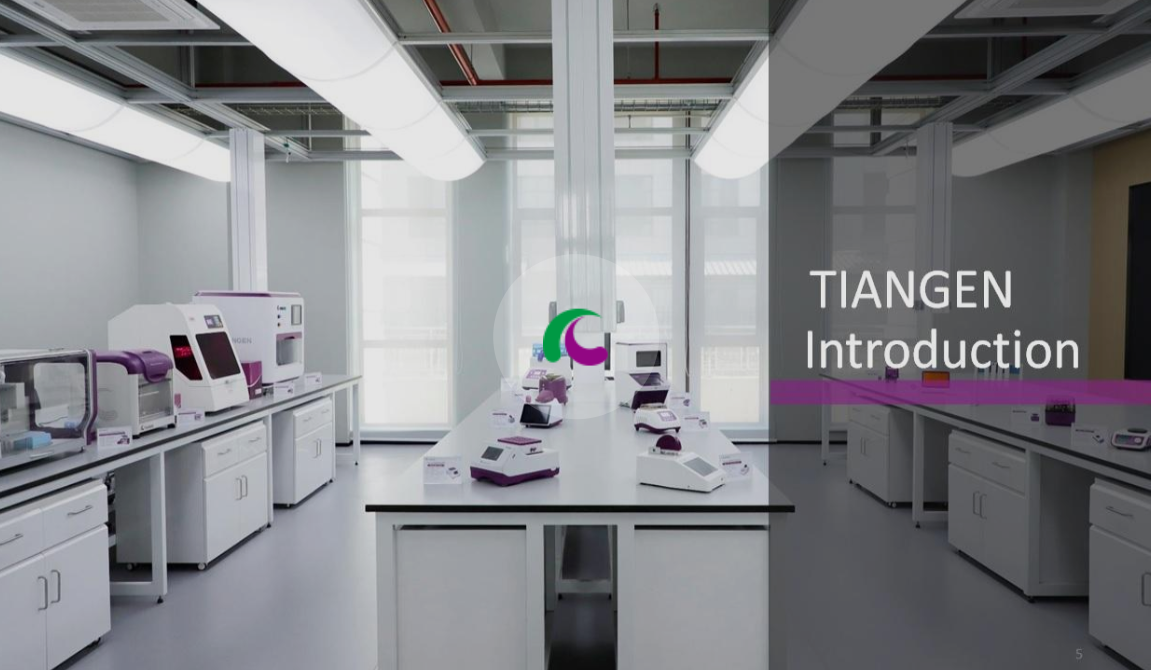
Real lab scene, clear numbers — what breaks first?
I remember a rainy Tuesday in Jakarta when our small municipal lab processed 420 swabs in 18 hours and the backlog spiked (we were tired). My team moved from manual plates to an automated nucleic acid extractor to stop the chaos. Early on I chose a LIS/LIMS‑compatible extraction system because traceability mattered — and it mattered fast. A busy clinic running 480 swabs per day with a 30% re-run rate is not a theory; it is real data — how do you cut wasted runs and operator fatigue?
Where the old fixes fail — practical failures I saw
I’ve seen the same pain across five different cities: inconsistent elution volume, lost sample IDs, and frequent PCR inhibitors causing repeats. We tried extra QC steps in June 2022 at a Surabaya hub, but adding checks only added time. I can tell you exactly what broke: manual sample prep introduced pipetting variance, and throughput caps (we hit them at 96 samples per run) left shifts unstaffed. The automated route fixed many issues but not all; integration gaps with the lab system still caused manual entries. Simple fact — automation handles magnetic beads reliably, yet the data handoff to LIS was where errors hid. So—what really matters next?
Technical pivot: how a LIS/LIMS‑compatible extraction system closes gaps
When I shifted to a LIS/LIMS‑compatible extraction system, the core benefit was predictable: automated plate tracking reduced ID mismatches by over 90% in our pilot. The system enforces barcodes, links runs to patient IDs, and exports results directly — no transcription. From a technical view you get consistent elution volume, reduced carryover with magnetic beads, and fewer inhibitors reaching PCR. I audited one run on 14 March 2023 and timing dropped: sample-to-result moved from ~6.5 hours to ~4 hours. This is not buzz — it is measurable. What’s next?
What’s Next?
Look forward: tighter LIMS integration, automated QC flags, and remote monitoring. I expect the next improvements to be in smarter scheduling — letting labs match sample load to instrument throughput automatically. We should watch for software updates that add API endpoints and better error logs. Also — I want faster recovery modes when a cartridge fails.
Choosing the right system — three clear metrics I use
Here are three concrete metrics I insist on when advising wholesale buyers: 1) Integration depth — can the unit push/pull to your LIS without middleware? 2) Measured throughput — real runs per 8‑hour shift under mix-and-match samples (not vendor claims); test this on site. 3) Consumable control — cost per extraction and availability of magnetic beads or cartridges. I tested these on a pilot at a Jakarta clinic in April 2022 and a wrong choice cost us two weeks of downtime. Pick systems that report run logs, support standardized error codes, and spare parts locally. Quick note — price matters, but hidden downtime costs matter more.
Final practical advice from 15+ years in the field
I speak as someone who bought and replaced three platforms before settling on reliable workflow patterns. I recommend you run a two‑day pilot, demand a live LIS connection demo, and measure sample ID error rate before purchase. If you do that, you will save time, reduce repeats, and regain staff hours — seriously. Take these evaluation steps and you will see the difference. For reliable supplies and integration support, I often point teams to vendor partners like TIANGEN. Yes — it matters. Go test.