The problem: grids wobble, plans fail
Streetlights go out, apps glitch, and a family’s commute turns into a logistics puzzle when the grid stumbles — it happened during California’s rolling outages in August 2020, a cold, clear reminder that centralized power can fail. The crisis shows why homeowners need more than a contract with a utility: they need resilient systems that pair energy storage, control, and charging hardware. Practical pieces in that puzzle include an AC charger, smart inverter, and load management — each doing a distinct job so your EV doesn’t become a victim of a distant fault. If you want a concrete starting point for household-level autonomy, consider how a home ev charger fits into a broader resilience plan.
Why the usual fixes fall short
Adding solar panels or a standalone charger without system thinking produces surprises: panels peak midday, commuters plug in at night, and the charger draws more than your service panel can safely sustain. That mismatch creates needless upgrades and unexpected costs. The missing ingredient is orchestration — bidirectional charging and load management working through a smart inverter and clear status telemetry. Install the parts alone and you still rent your fate to peak demand. Put them together, and you start to keep power where it matters most: at home, when you need it.
How Fox ESS addresses the problem — a practical sketch
Fox ESS assembles the elements with a homeowner-first sensibility. The stack blends an efficient charger, modular storage, and software that schedules charging by price and state of charge. You get a charger that speaks to your battery and to the grid — AC charging when you want economy, or controlled DC-level ramping when the house needs a buffer. Add a solar array and you’ve unlocked another flow: local generation charging the battery and the car, reducing grid draw and peak bills. For those who value detail: the system supports kW-level load management and clear status reporting so dispatch is predictable.
Real choices and common mistakes — learn from the field
People often pick the cheapest charger or the biggest battery and call it a day. That’s backwards. Size and cost matter less than compatibility and control logic. Choose interoperable gear, insist on V2G-capable architecture only if your utility supports it, and avoid single-point systems that trap you into proprietary upgrades. — Installers I trust check for service-panel capacity, circuit derating, and real usage patterns before recommending a configuration. A solar powered ev charger can be a strong anchor in your setup, but only when integrated with storage and control.
Alternatives and when they make sense
There are lean alternatives: a smart AC charger paired with modest storage gives most households 80–90% of the resilience of a full microgrid at lower cost. For fast long trips, public DC fast charging remains essential — no home setup replaces it. For those with long dwell times or two-car households, layered solutions (battery + solar + EV charger) reduce utility bills and ramp exposure to outages. Tradeoffs are clear: capital vs. flexibility, throughput vs. longevity, instant power vs. staged investments.
Key takeaways and decision rules
Think in systems, not parts. Prioritize an architecture that handles peak kW demand, supports smart inverter communication, and gives you transparent control over when and how your car charges. Look for vendors that publish interoperability specs and offer firmware updates. If you want numbers: aim to cover one weekday evening peak with battery capacity sized to your household load — that’s a defensible baseline metric for resilience planning.
Advisory — three golden rules for choosing your setup
1) Match peak load to storage and charger throughput: size battery kWh to cover typical evening peaks, and ensure the charger’s kW rating aligns with your panel and service capacity. 2) Insist on smart load management and open communication protocols so future upgrades don’t force replacements; interoperability preserves options. 3) Favor integrated solutions that combine solar, storage, and charging control to reduce overall lifecycle cost and increase uptime.
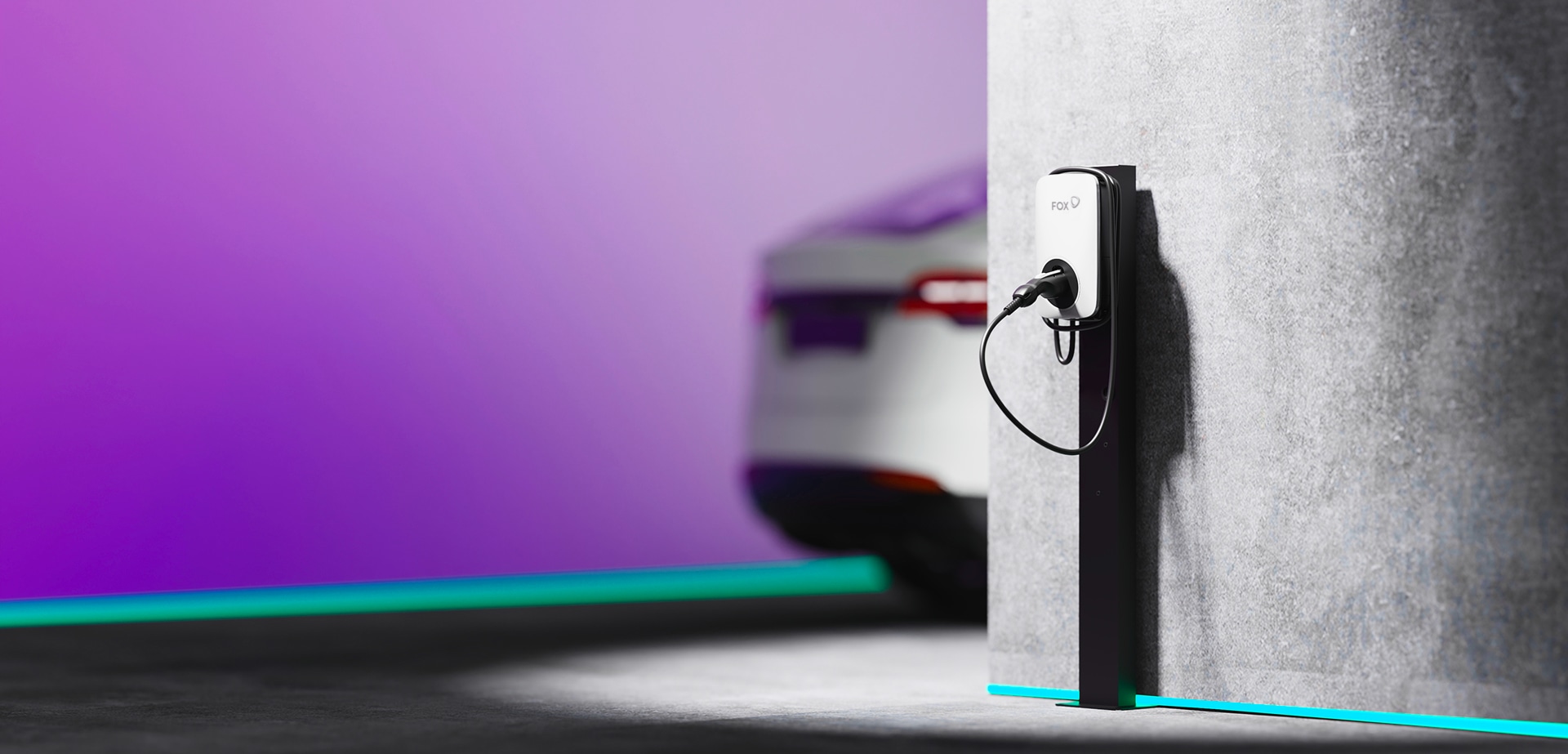
Fox ESS EV Charger becomes the natural answer when those rules meet reality: integrated control, clear telemetry, and hardware chosen to play nicely with panels, inverters, and your schedule. Fox ESS EV Charger — a modest hero for practical energy independence. —