Introduction: Hidden Friction You Don’t See Yet
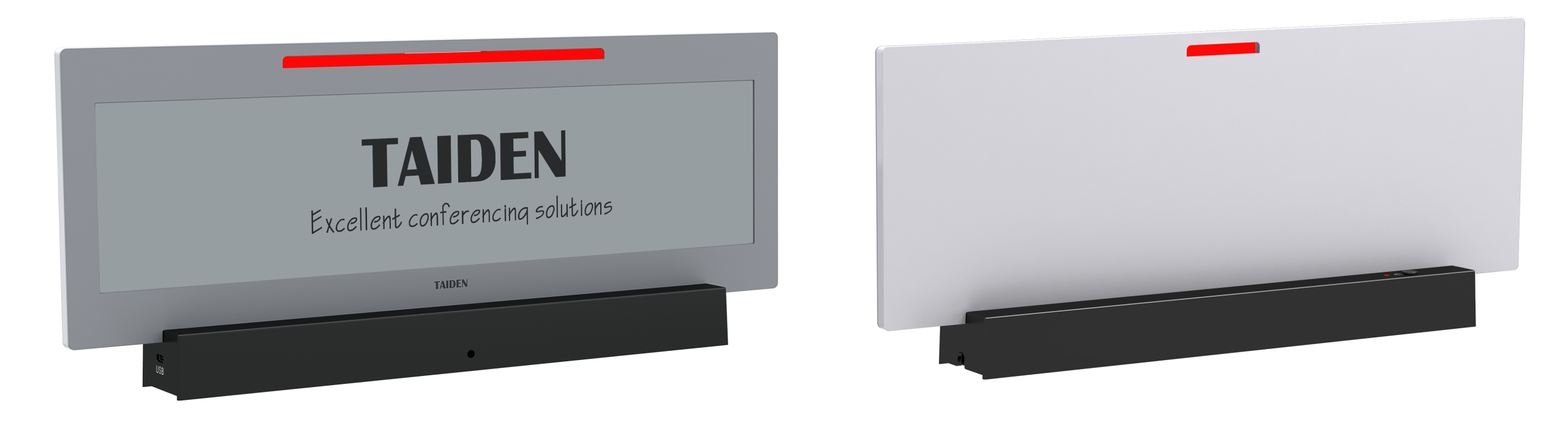
Let’s set the scene: a high-traffic meeting hub flips rooms every 30 minutes, while remote teams jump in and out by video. The digital name plate sits at each door, quiet but crucial. Leaders say the flow is smooth, yet internal checks often expose stale labels, missed updates, and manual workarounds. A paper like display looks calm and natural, but what about the invisible systems under it? In many sites, BLE beacons, low-power controllers, and power converters do a lot of lifting that users never see (or understand). If 1 in 4 room tags refresh late during peak hours, what happens to trust? Look, it’s simpler than you think—when the surface looks like paper, people expect it to “just work.” So why does it still break at rush hour?
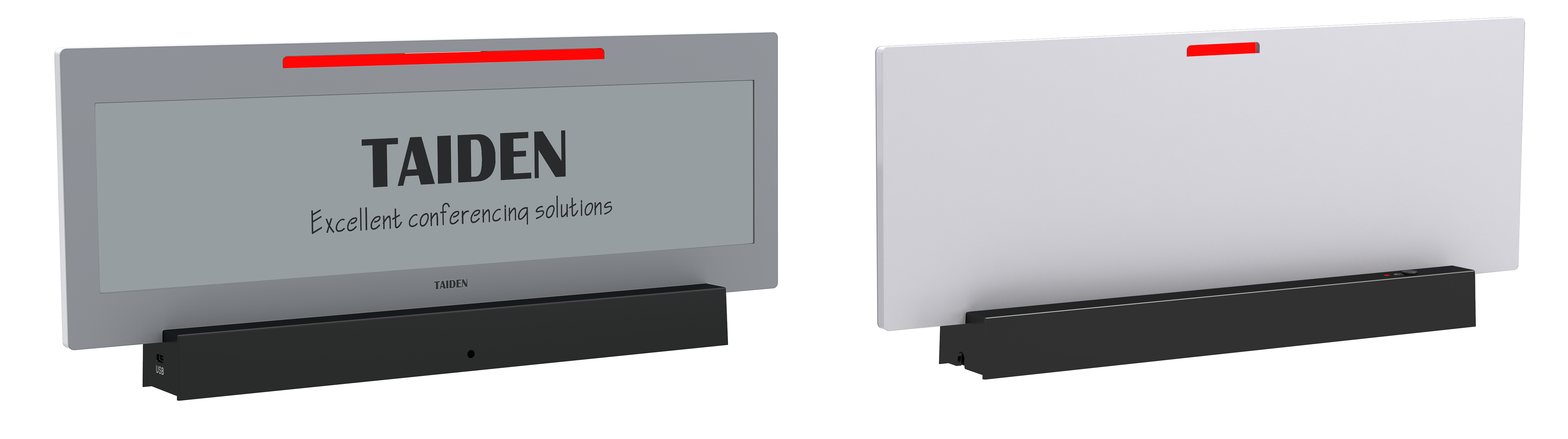
Earlier, we mapped surface issues. Now we open the deeper layer: hidden user pain points that grow from tiny delays and tiny drains. Operations staff want clarity, not dashboards. Coordinators need batch updates, not copy-paste. If the display wakes too often, a coin cell dies early—funny how that works, right? Edge computing nodes help, but poor sync windows still cause lag. And when labels drift from the schedule by even five minutes, rooms and people collide. The question is simple: where do these micro-frictions start, and how do we compress them to near zero? Let’s move from symptoms to structure.
Where do errors really start?
From Pain Points to Principles: How the Stack Should Behave
To move forward, compare two paths. First, the legacy route: push updates from a central server, ping devices frequently, and hope the radio is clear. This creates chatter, drains cells, and makes firmware brittle. Second, the principle-driven route: use a bistable e-paper display with event-driven logic, so the panel draws power only on change. Pair that with sub-GHz mesh for reach, precise sleep schedules, and OTA firmware updates that roll in quiet hours. The result is a system that prefers calm over constant noise—less polling, more intent. It relies on a few core ideas: stateful rendering, predictable wake windows, and measured power budgets. With these, your labels stay in sync without nagging the network. And yes, energy harvesting or supercapacitors can support surge events when a floor flips fast.
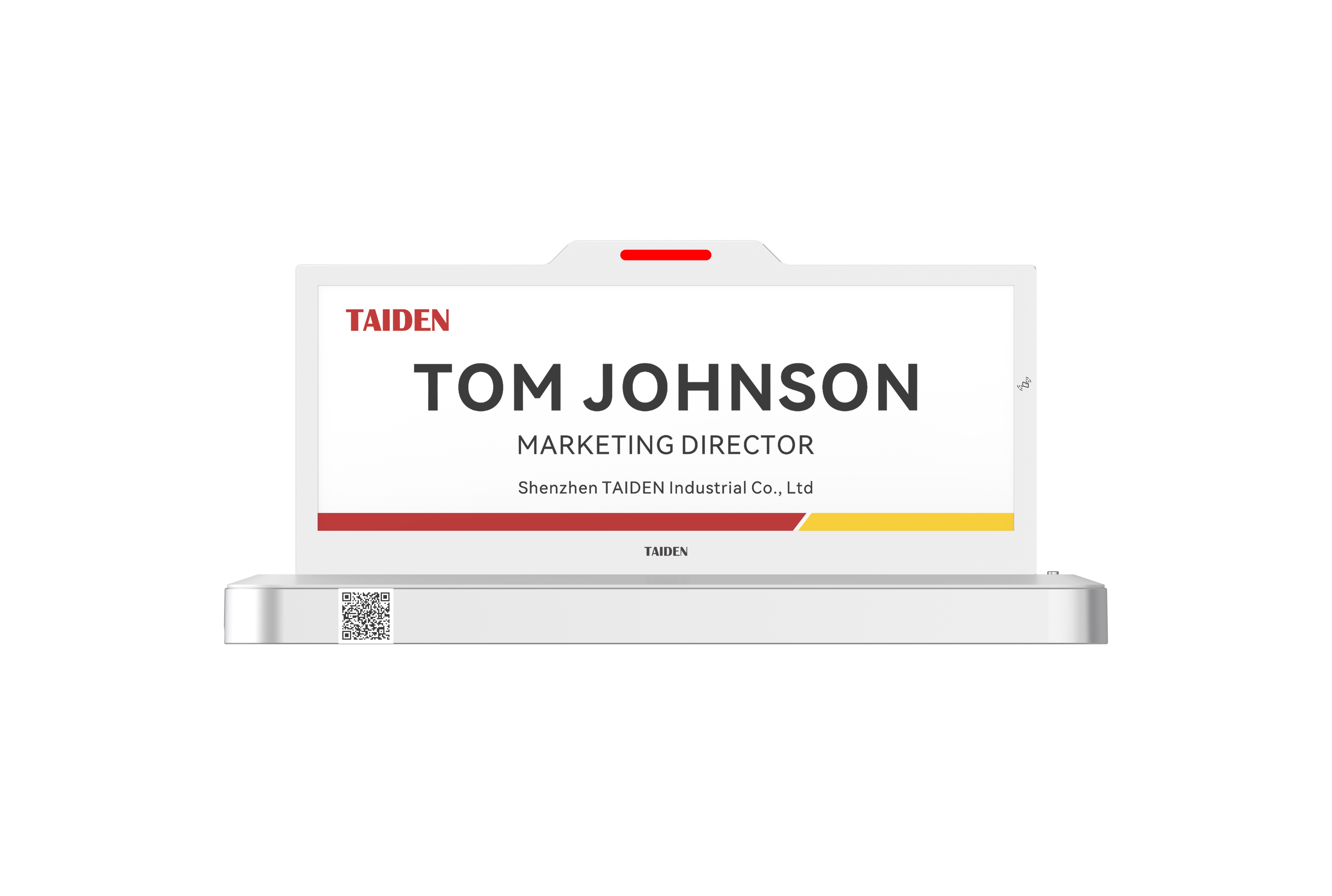
In live rollouts, these principles beat raw “features.” Why? Because business change is spiky. A school open day, a hospital round, a product sprint demo—each creates bursts. Systems designed for bursts win. The e-paper display stays readable in strong light, even when radios sleep. Controllers only wake when the calendar shifts or a user taps via NFC. The mesh backhaul scales by rooms, not by panic. And the maintenance story gets kind: scheduled OTA windows, battery health scoring, and on-device logs you can read in seconds. You gain resilience without chasing every alert—just the ones that matter.
What’s Next
Choosing Wisely: The Comparative Lens and Three Metrics That Matter
We have learned a clear lesson: most pain hides in the gaps between hardware, network, and routine. Calm systems win over busy ones. Displays that are truly paper-like reduce visual strain and signal stability. But choosing a platform is not about buzzwords; it is about how it behaves under stress and silence alike. So, compare with intent. Stack your current process against a principle-first design. Ask if your stack avoids unnecessary wake-ups, if your radios are matched to the floor plan, and if your firmware can roll back safely. Then test it during the worst hour of your week—not the quiet one. This is where user trust is earned, tile by tile.
When you evaluate digital name plate solutions, use three grounded metrics. First, power discipline: measure average current in sleep and during a typical refresh burst; verify a yearly battery forecast under peak churn. Second, sync integrity: confirm end-to-end update latency (scheduler to panel) stays under a strict target, even with 10x event spikes. Third, fleet maintainability: require OTA firmware with staged rollout, device health scoring, and clear logs readable without special tools. Add supporting checks if you like—radio coexistence tests, glare tests, accessibility contrast ratios—but keep the core three. With this lens, a paper like display platform moves from pretty to dependable. And the hallway stays quiet—because your system speaks only when it must. For teams planning the next cycle, these choices build a small but real advantage that compounds over time. Guidance comes from practice, not slogans, and that is the steady way forward with TAIDEN.