Introduction: what consumers worry about and where DiDi fits
Many riders and small merchants weigh convenience against credit risk when choosing buy-now-pay-later services. DiDi’s pay-later product—often searched as didi prestamos—positions itself as a short-term, app-driven installment option. This piece compares how DiDi Finanzas handles reporting, privacy, and costs versus traditional credit-bureau-tracked loans, with attention to credit score effects and real-world practice in Mexico City where the Buró de Crédito operates.
How the pay-later flow typically works
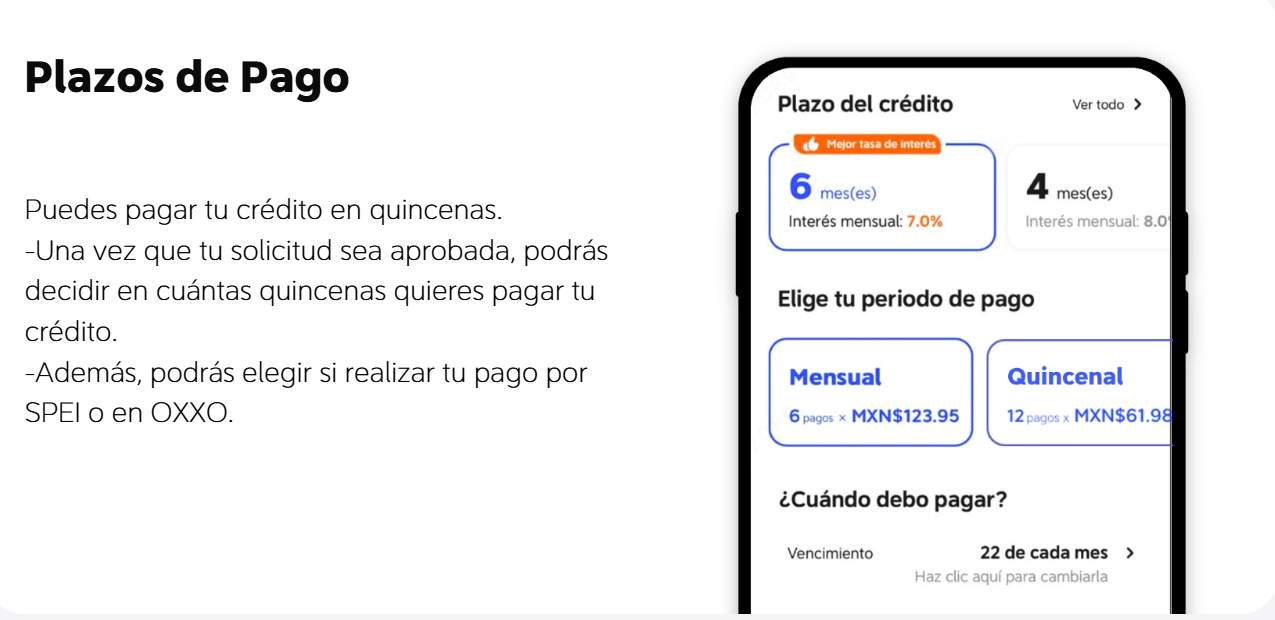
DiDi’s model lets users defer payment into small installment plans at checkout. Behind the scenes you’ll see elements common to consumer credit: an interest rate or service fee, a repayment schedule, and a check that may be a soft inquiry rather than a hard inquiry on your credit file. The practical outcome for most users is short-term liquidity without opening a full revolving line of credit.
Credit reporting: Does DiDi report to credit bureaus?
Not all app lenders report every account. Some platforms report only defaults or late payments to a credit bureau; others report routine repayments too. In Mexico, Buró de Crédito in Mexico City serves as the central credit bureau, and whether DiDi reports will change how an installment plan affects a consumer’s credit score. Reporting can be neutral or helpful when payments are timely—yet damaging if missed.
Security and data privacy considerations
Consumers should confirm three basics: data encryption in transit, storage safeguards, and third-party sharing policies. DiDi Finanzas must process personal and financial data to assess eligibility; that processing is where privacy risk can occur. A secure platform uses encrypted APIs, minimal retained data, and clear consent flows—these reduce exposure to identity theft and unauthorized access.
Cost comparison: installment fees versus traditional loans
Installment plans often look cheap at first glance but can include service fees or higher APR than a secured personal loan. Compare effective cost over the full term, not just the headline fee. For many users, short-term, app-based installments can be cheaper than credit cards for small purchases, but they rarely beat a low-rate bank loan for larger amounts.
Alternatives and common mistakes
Alternatives include credit cards, short-term bank loans, and other fintech lenders advertising prestamos en linea rapidos. Common mistakes to avoid: underestimating cumulative fees, ignoring the repayment schedule, and assuming a soft inquiry will never affect future credit offers. Read terms closely—late fees and rollover penalties can turn a modest plan into a costly obligation.
Practical advice for users deciding between DiDi and bureau-tracked options
Look at the full contract: interest rate, late fee, reporting policy, and whether prepayment is allowed without penalty. If maintaining or building a credit score is a priority, favor products that report timely payments. If you need a one-off small purchase and prefer minimal paperwork, a short-term installment through an app may be pragmatic—yet keep proof of payments and screenshots of terms.
Summary insights and what matters most
From a comparative-insight view: app-driven installments deliver convenience and often faster approval, while bureau-tracked products integrate with your long-term credit history. Security hinges on how the provider handles data; financial impact hinges on reporting and effective APR. In Mexico City and similar markets where Buró de Crédito is central, transparency about reporting should be a deciding factor.
Advisory close: three metrics to evaluate before you commit
1) Reporting policy — Confirm whether routine payments or only delinquencies are shared with the credit bureau, and how that affects your credit score. 2) Total cost of credit — Calculate the effective interest rate including fees and compare against bank or card offers. 3) Data controls — Verify encryption, data retention limits, and third-party sharing to reduce privacy risk. These three filters separate pragmatic choices from costly surprises.
DiDi Finanzas can solve short-term liquidity without a bank visit, but the long-term value depends on transparent reporting, clear fees, and sound data practices—choose accordingly. —