Facing the failure modes that kill outdoor fixtures
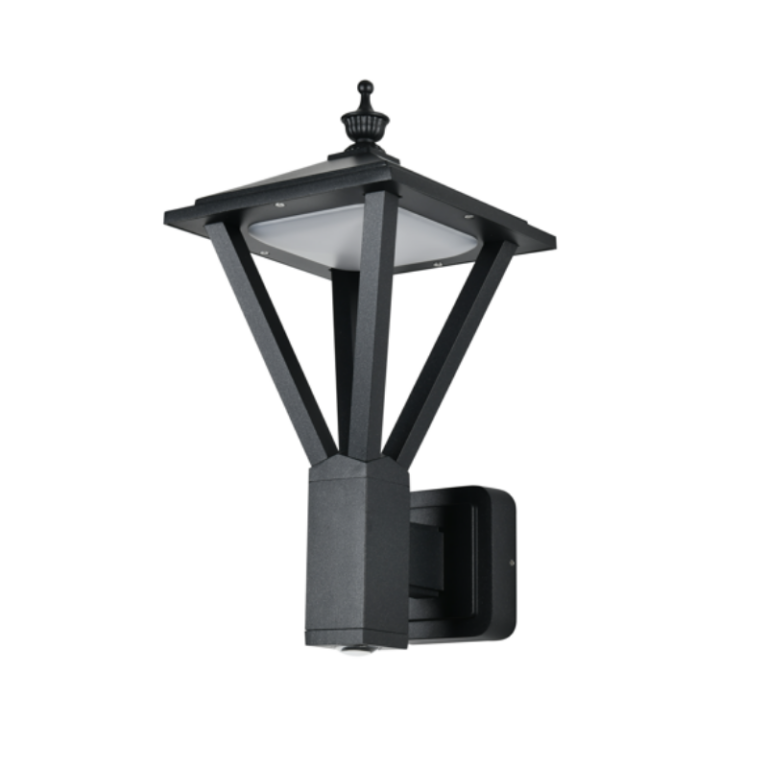
When outdoor LED fixtures fail early, it’s usually not the diode — it’s the housing. Corrosion that eats seals, and poor thermal dissipation that shortens LED life, are the two invisible thieves of uptime and ROI. For anyone specifying or buying external fixtures—whether for a coastal promenade or a suburban courtyard—this is the problem to solve first. That’s why product teams and installers increasingly choose proven options like waterproof outdoor wall lights that pair robust ingress protection with engineered heat paths.
Why corrosion resistance and thermal dissipation matter together
Corrosion and heat are interlinked. A corroded housing can deform or breach gaskets, dropping the IP rating and letting moisture reach electronics. Overheated LEDs shift color temperature, lose luminous flux faster, and hit L70 far sooner than expected. Addressing one without the other is a short-term fix; you need a housing that keeps salts, dust, and water out while moving heat away from the driver and diodes.
Material choices — the trade-offs laid bare
Compare the common material paths and what they mean in real conditions:

– Die-cast aluminum: excellent thermal conductivity and structural strength; needs high-quality corrosion-resistant coating for marine sites. Industry term: die-cast aluminum.
– Stainless steel: superb corrosion resistance but heavier and more expensive; less efficient as a heat sink unless fin geometry is optimized.
– Engineering polymers: lightweight, intrinsically corrosion-resistant, and cheaper; thermal performance depends on integrated heat sinks or conductive fillers.
Ahead of any purchase, match the material to the environment and maintenance plan. For example, coastal projects with salt spray exposure often mandate coatings and seals that meet stricter standards — more on that in the next section.
Standards, tests, and the real-world anchor you can trust
Don’t buy on marketing claims. Check the fixture’s IP rating per IEC 60529 — that’s the widely recognized standard for dust and water ingress. For corrosion resilience, look for verified results from salt spray testing (ASTM B117) or specified coating systems (e.g., polyester powder coat over pre-treatment). Thermal performance should include published Tc (case) temperature limits and thermal resistance figures, or measured LED junction temperature under rated drive current. These documented tests move a specification from hopeful to verifiable.
Common specification and installation mistakes — and simple fixes
Teams often make three predictable errors: over-specifying aesthetics at the expense of thermal paths, trusting marketing without test data, and overlooking connection points where corrosion starts. A practical fix is to require sample-stage thermal imaging and ingress testing before signing full orders. Also, be explicit about gasket materials and cable-entry protection — tiny decisions matter. —
Checklist: How to vet housings fast
Use this quick checklist during vendor meetings or site specs:
– Confirm IP rating (IP65/IP66/IP67) and request test reports.
– Ask for salt spray (ASTM B117) or specified coating system details for coastal or industrial sites.
– Review materials: die-cast aluminum vs. polymer and the associated thermal strategy.
– Require Tc temperature data and expected LED L70 life at rated current.
– Inspect sealing at cable glands and mounting interfaces—these are common failure points.
– Discuss serviceability: are drivers and LED modules replaceable without damaging seals?
Alternatives, retrofits, and when to choose each path
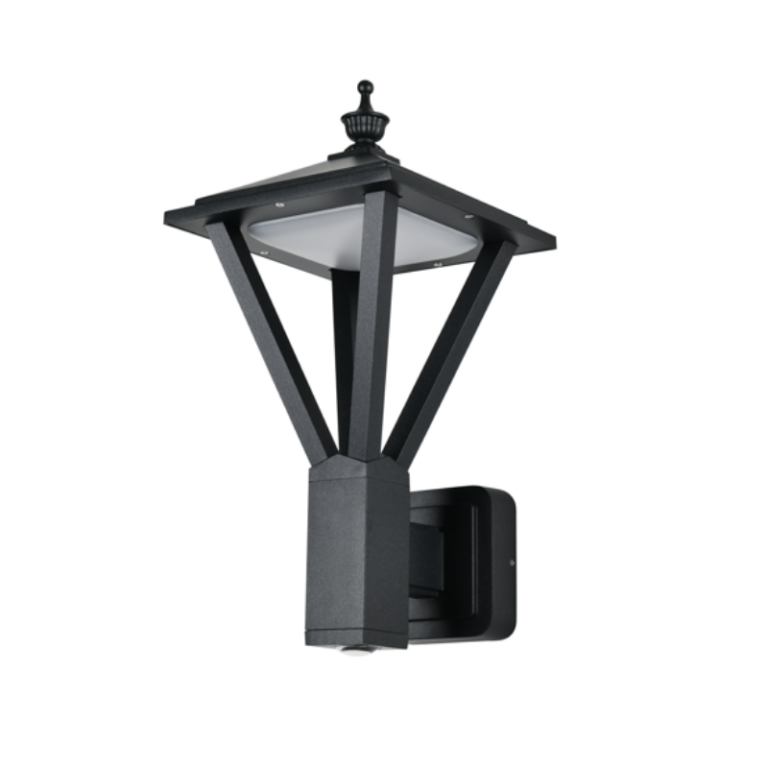
If you’re retrofitting older wall-mounted fixtures, consider replacing housings with units that include integrated heat sinks and gasketed service panels rather than trying to patch old enclosures. For decorative options like a garden wall lamp, prioritize sealing details and specify finishes rated for the local environment—beauty is pointless if the fixture rusts in a season. In large-scale rollouts, standardize on one proven housing family to reduce spare-part complexity and speed maintenance.
Advisory: three critical evaluation metrics
1) Verified Ingress and Corrosion Testing — insist on IEC 60529 IP test evidence and either ASTM B117 results or defined coating systems for your exposure class. 2) Thermal Performance Data — require Tc limits, thermal resistance, and a predicted L70 at your drive current; correlate that to expected maintenance cycles. 3) Serviceability & Joint Integrity — rate how easily drivers and modules can be swapped without breaking seals; verify gland and mounting interface details on-site.
When you center decisions around those metrics, you move from guesswork to predictable performance. And that predictability is exactly the value that Keyida delivers through tested housings and clear technical data — trusted performance, not promises. —