A Quiet Room, A Loud Problem
Here is the simple truth. The room looks ready, yet people still stall at the start. The wireless conference system sits on the table, neat, silent. Then the first speaker talks, and the room breathes. But think of this scene: a hybrid board review, ten in-room, fifty online. Last quarter, you lost 14% of talk time to repeats, mutes, and awkward handoffs—tiny cuts that bleed outcomes. Why do we still scramble for cables and control while the agenda races on?
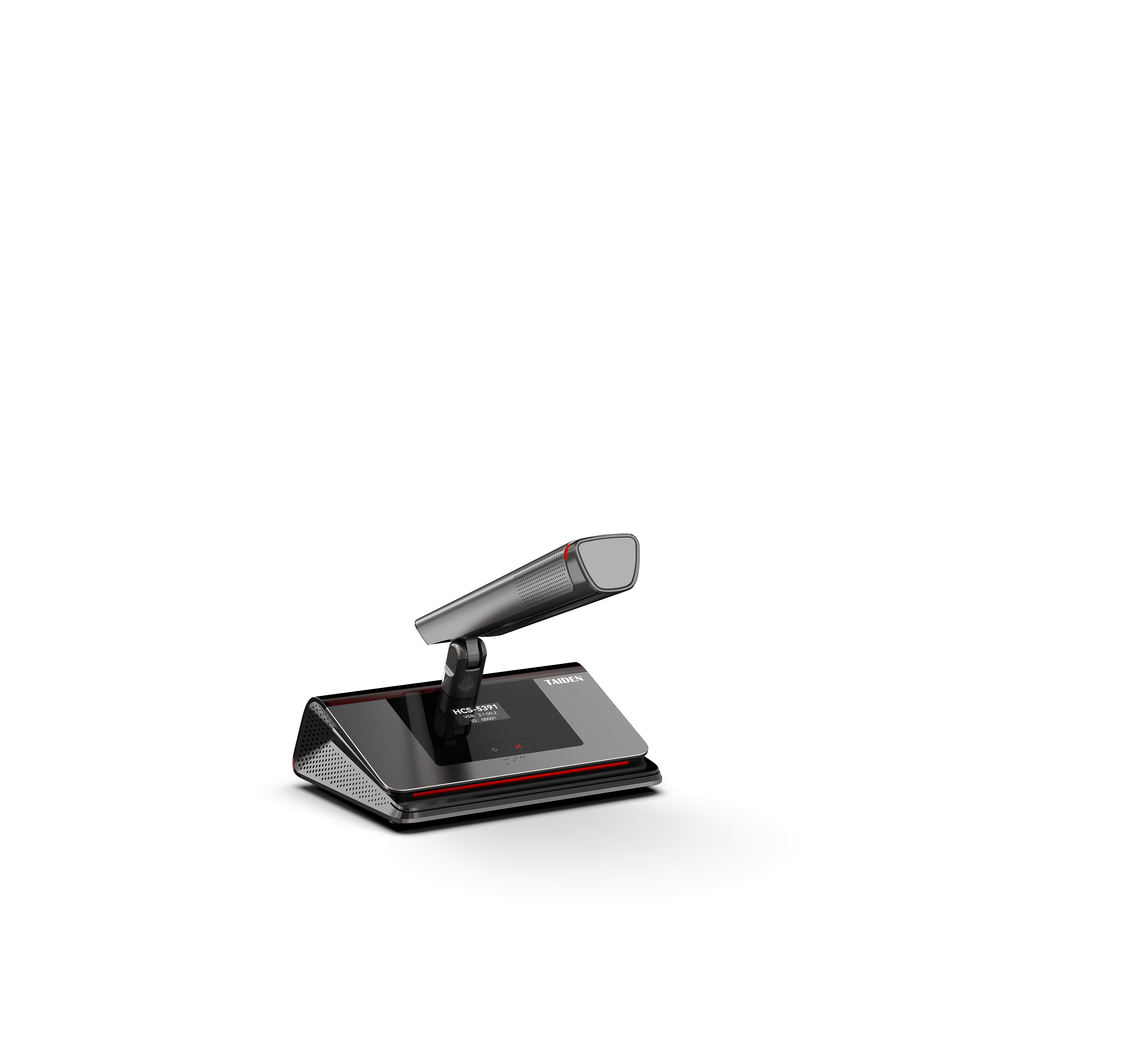
In Paris or Pune, it is the same rhythm. Voices overlap. Side speech leaks. Packets drop. Your latency budget slips by a second, then two. The chair frowns, time melts. (Not chic.) So, what breaks the loop? Is it better mics, or better logic? Direct answer: both, but orchestrated—funny how that works, right? Let’s peel back the layers and see where the friction hides, then move, step by step, to how a system can preempt chaos. On y va—into the core.
Why Old Rooms Struggle When Stakes Rise
What is the real snag?
Earlier, we chalked issues up to “bad sound.” That was surface. The deeper flaw is architectural. A modern digital conference system is not just microphones plus speakers. It is a control plane that manages roles, queues, and routing. Legacy gear often mixed analog chains with ad hoc DSP blocks. Good on paper, but brittle in motion. When speakers change fast, those chains choke. Beamforming cannot chase a moving floor if the clock sync drifts. And if QoS policies are guesswork, jitter creeps in and adds delay. Look, it’s simpler than you think: the wrong topology multiplies small errors until they feel like a wall.
Hidden pains show up in human ways. The chair hesitates because the request-to-speak light lags. The interpreter hears crosstalk because RF spectrum is crowded and hopping rules are crude. IT sweats, since one noisy subnet can spike packet loss right as a vote begins. And power converters hum, so a mic dies mid-sentence. We blame “users,” but the system invites mistakes. A smart digital backbone should sandbox roles, auto-recover after drops, and keep the latency budget under 150 ms end-to-end. Without that, etiquette becomes tech support—again.
From Patchwork to Predictive: Where the System Goes Next
What’s Next
So we pivot to principles. New rooms do not just pass audio; they model behavior. Think edge DSP at endpoints to cut round trips. Think coordinated beamforming arrays that hand off like MIMO on a calm highway. The control layer sets priorities: chair first, then floor, then observers—no drama. Encryption stays light, like AES-128, so security does not tax the clock. And when RF gets noisy, packet loss concealment fills gaps without strange artifacts. This is how a platform moves from reactive to anticipatory. A well-tuned scheduler predicts who speaks next by queue state and pre-allocates bandwidth. The result feels natural—like someone opened a window and the air cleared.
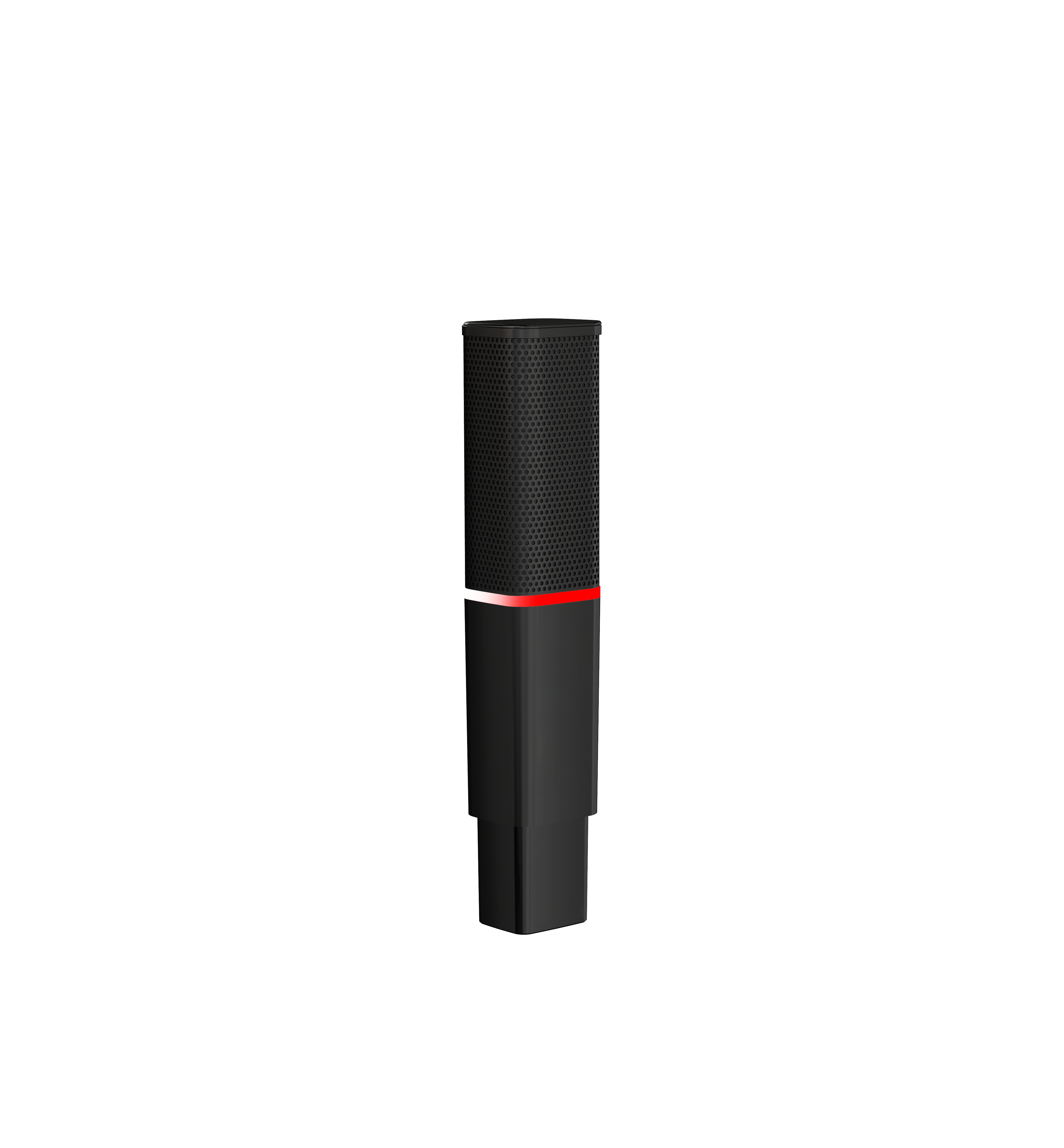
Compare it with the old kit. There, a mute button is a gamble. Here, role logic prevents hot mics. There, a cable run decides the meeting. Here, a redundant mesh protects the flow. Add a trusted link to a wireless conference microphone and you gain mobility without losing clock discipline. The chair walks. The vote runs. The interpreter hears clean channels. No showmanship—just less friction. We learned the pain was not volume, but governance. We learned human rhythm needs a system that schedules, not just amplifies. And yes, the numbers shift: fewer repeats, tighter minutes, higher focus—funny how that works, right?
Before we close, a short, practical lens. Choose with three checks in mind. One: measurable latency budget, published and tested under load. Two: RF strategy that adapts (scan, avoid, and recover) with logs you can read. Three: role-aware control—requests, queueing, and voting—proven with failover. Keep it simple, keep it human, keep it steady. That is how meetings stay calm, and how work moves. For context and further reading, see TAIDEN.