Introduction — a small shop story
I was once in a tiny workshop watching a prototype stall mid-test. The lead engineer sighed; we all knew the cost of delays. In that moment I thought about the electric motor that ran the rig and the simple data point: roughly 15–25% of small industrial drives show early-stage faults within the first two years. That number shocked us — and it made me ask: why do so many otherwise good designs fail so early? (I’ve seen the same pattern in other floors).
I want to share what I learned, plain and practical. We’ll talk about where brushless systems get tripped up and how teams can fix the root causes. Along the way I’ll mention things like torque ripple, Hall sensors, and power converters to keep this grounded. You’ll get short, usable ideas — not just theory. Ready to dig in? Let’s move on to the real trouble spots.
Deep Problem: Why Brushless Systems Still Trip Up
Why does this go wrong?
brushless motor controllers often promise smooth torque and long life. Yet I see the same faults repeat: poor commutation logic, thermal hotspots, and misread sensors. I’m direct about this because it matters — engineers count cycles and dollars. One big flaw is relying on simple Hall-sensor thresholds without validating offsets after load changes. That leads to uneven commutation and extra heat.
The second issue is ignoring back-EMF under real load. In lab tests, everything looks neat. In the field, variable loads create spikes and, over time, degrade components. Efficiency drops. Bearings run hotter. We think a software tweak will fix it — but often the hardware was under-specified. Look, it’s simpler than you think: test under real stress, not just nominal specs. I’ll admit — I missed one case once; lesson learned, and it burned me (figuratively — but still, a painful lesson).
Looking Forward: New Principles for Better Electric Motors
What’s Next
When I look ahead, I focus on principles rather than buzzwords. Modern control strategies like sensorless control and space vector modulation reduce reliance on fragile sensors. At the same time, better thermal management and smarter power converters keep junction temps low and components happier. I’m excited about practical shifts: small gains in control loop tuning that yield measurable lifetime increases. These are not rocket science. They are disciplined engineering steps.
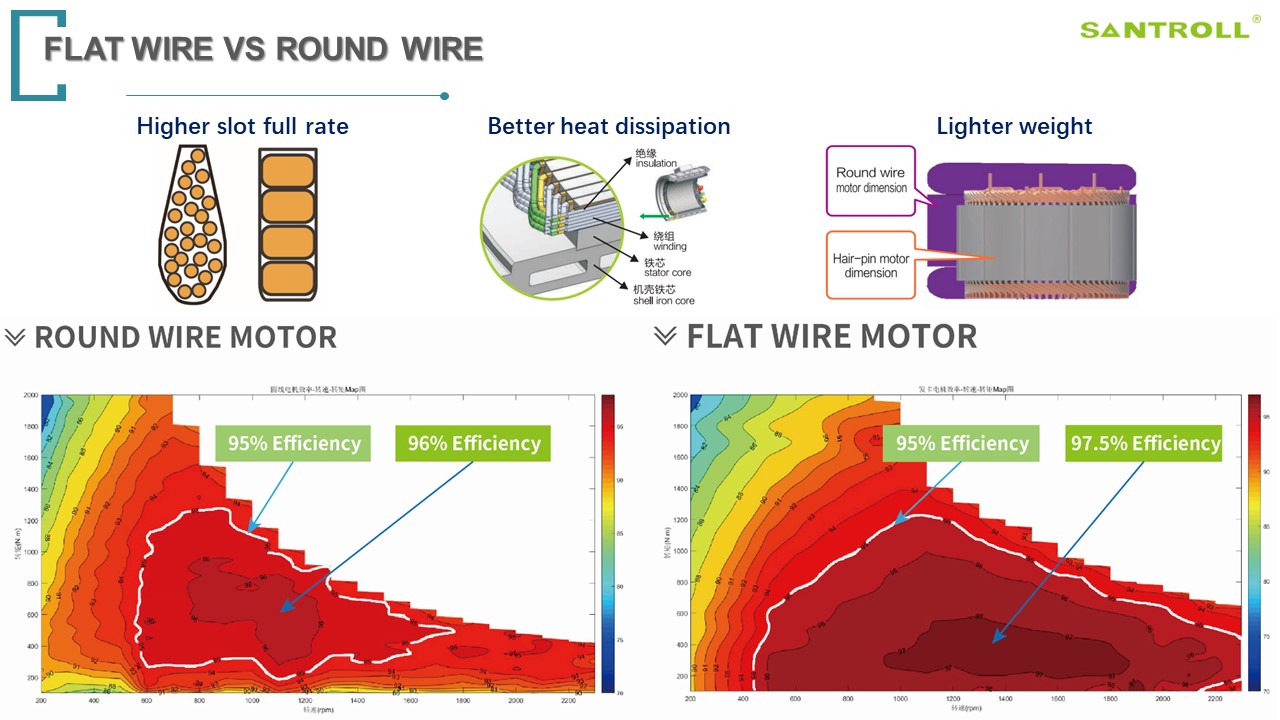
Here are three concrete metrics I use now when evaluating a design: efficiency across load range, mean time between failures (MTBF) under field profiles, and torque response time during sudden load steps. If a vendor can show data for these, I pay attention. If not, I ask for tests — and I push for replicated stress cycles. Implementing the right measures can cut failures and downtime — and yes, save money. For real parts and tested modules, I often turn to trusted suppliers like Santroll. They make it easier to move from guesses to results — funny how that works, right?