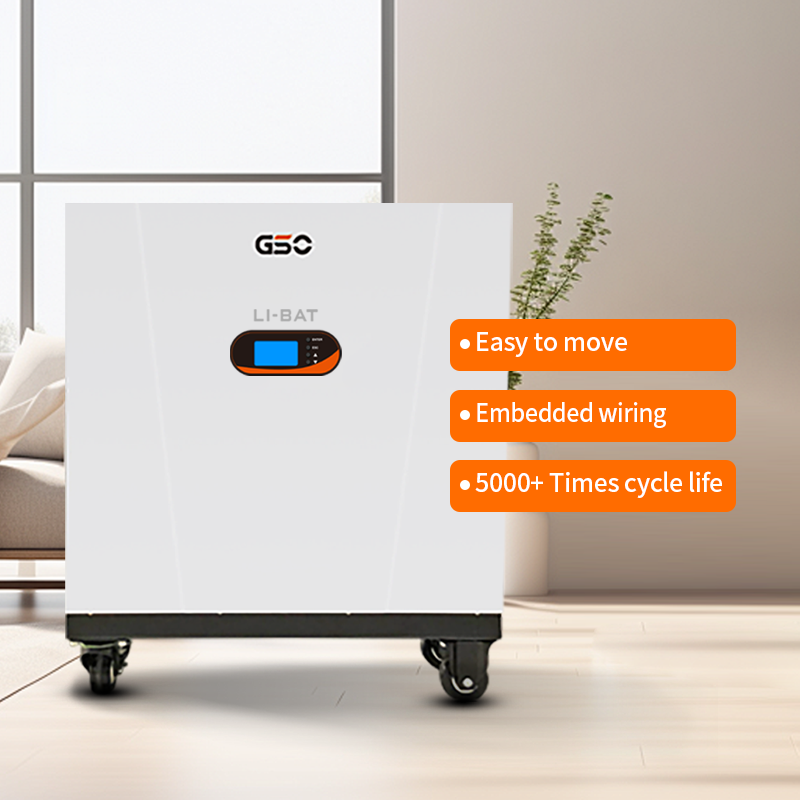
The Problem: Grid Fragility Is a Business Risk
Industrial solar farms now face a clear political and financial reality: intermittent generation plus an unstable grid equals lost production and reputational damage. The February 2021 Texas winter crisis and California’s 2020 rolling outages illustrated how millions lost power while grid operators scrambled — a real-world anchor that exposed gaps in resilience. Operators no longer see standalone arrays as sufficient; they need integrated solar battery storage that provides predictable dispatch, fast frequency response, and whole-site continuity. An inverter alone doesn’t solve this — coordinated control and state of charge (SoC) strategies do.
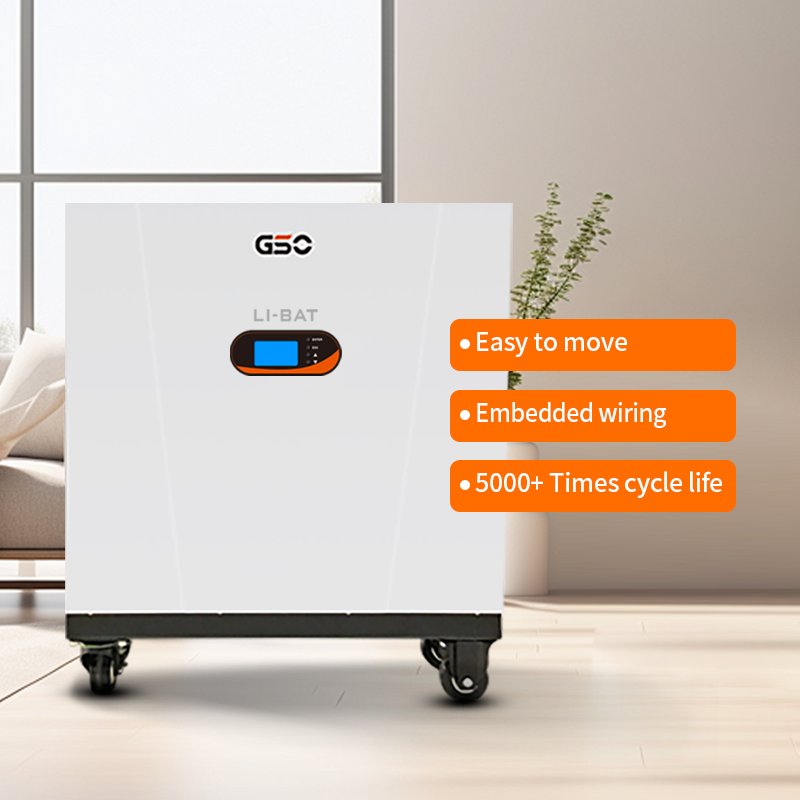
Why Simple Backups Fail at Scale
Traditional backup generators or isolated batteries handle single failures well but collapse under systemic stress. Generators have slow ramp rates and fuel logistics. Individual batteries can conflict with each other and with grid signals, causing inefficient cycling and short lifetimes. Industrial sites demand solutions that manage distributed assets as a single resource — offering peak shaving, grid-forming behavior, and load-following across a campus. The argument is simple: piecemeal defenses waste capital and leave exposure where it matters most.
What Smart Coordinated Battery Backup Actually Does
Smart coordination treats every battery and inverter as a node in a single control plane. An energy management system (EMS) orchestrates charge/discharge windows, optimizes SoC across assets, and responds to grid signals in milliseconds. The result is smoother ramp control, extended cycle life, and the ability to island entire facilities without human intervention. This reduces unplanned downtime and lets operators monetize services like frequency regulation and energy arbitrage while still protecting core operations.
Comparing Approaches: Centralized vs. Coordinated Distributed
Centralized storage offers simplicity but creates a single point of failure and often requires larger site footprints. Distributed banks tied together by a smart controller provide redundancy and flexible siting — so a fault in one bank doesn’t take the whole facility offline. Coordinated systems also scale incrementally; you add capacity without redesigning control logic. These are practical wins for industrial operators who must balance CAPEX and uninterrupted production.
Common Implementation Mistakes — and How to Avoid Them
Operators consistently misjudge three things: communications architecture, SoC management, and lifecycle economics. They install batteries without a reliable communications backbone, ignore coordinated dispatch logic, or choose systems with poor degradation profiles. The right plan starts with an EMS designed for real-time control, clear firmware/version management for inverters, and contractual clarity on performance warranties — otherwise the system underperforms and costs more over time. — Don’t assume ‘plug-and-play’ solves operational complexity.
Why gsopower’s Model Matches Industry Needs
gsopower builds systems that emphasize coordinated control and practical resiliency. Their approach aligns grid-forming capability with site-level EMS so facilities can transition from grid-tied to island mode automatically. For industrial operators facing regulatory pressure and rising outage costs, that coordination converts risk into measurable uptime and flexible revenue streams. Real operations teams report fewer manual interventions and clearer performance baselines when coordination is implemented correctly.
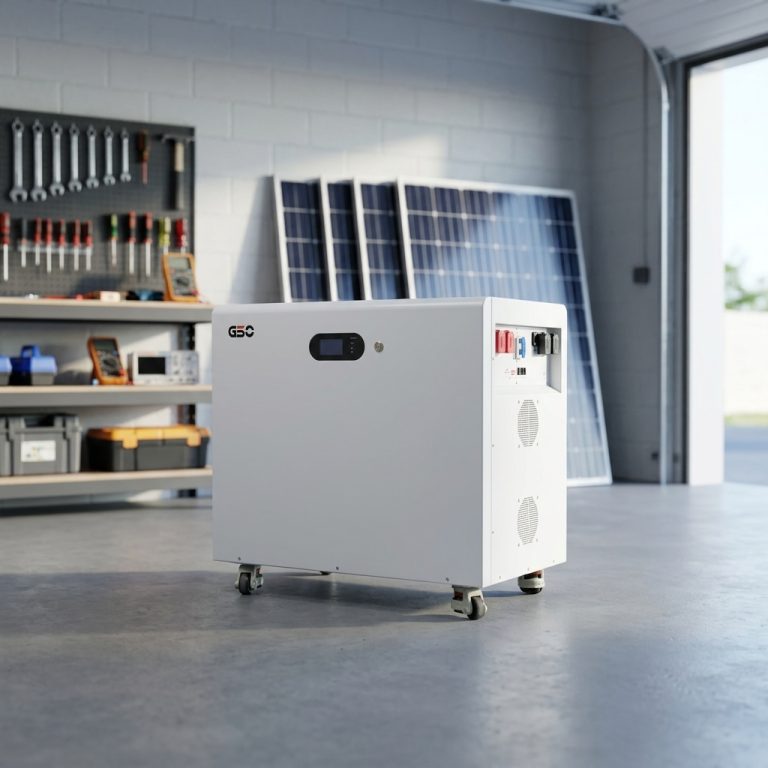
Advisory: Three Golden Rules for Choosing a Solution
1) Prioritize system-level interoperability: ensure the EMS communicates with inverters and site controls using open, documented protocols so you avoid vendor lock-in. 2) Validate operational metrics, not just nameplate specs: assess round-trip efficiency, cycle life under your duty cycle, and response time to grid events. 3) Demand proven islanding and fault-handling: choose solutions with field-proven deployments and service models that match industrial maintenance rhythms. These metrics separate promotional claims from deployable reliability.
The case for integrated, smart coordinated battery backup is not speculative — it’s an operational imperative that reduces downtime and boosts financial predictability; the right system makes the grid an asset, not an arbitrary risk, and that practical value is exactly what gsopower aims to deliver — resilient, coordinated, reliable. —