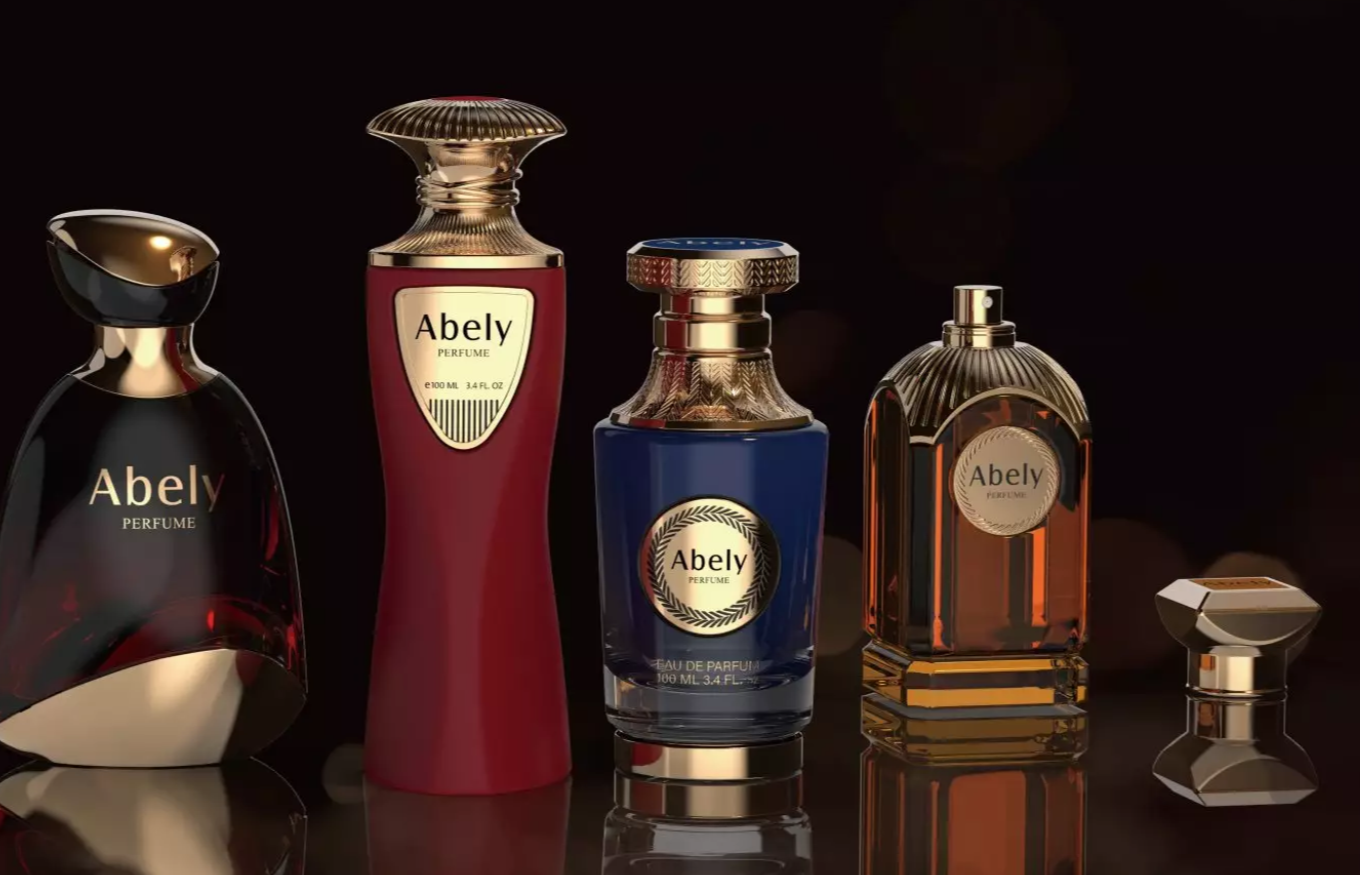
Why a framework matters for 100ml perfume bottles
When planning production for a signature fragrance, a methodical framework reduces risk and accelerates time-to-market — this is especially true for the 100ml perfume bottle. In my procurement years working with suppliers around Guangzhou and the Pearl River Delta — a global hub for cosmetic packaging — I learned that clarity up front saves rework later. This guide uses that practical experience as an anchor, combining regulatory prudence, material science, and supply-chain realities into an actionable checklist for 2026 production.
Core pillars of the 2026 procurement framework
Structure your decision-making around these pillars. They form a clear evaluation grid for any candidate bottle design or supplier:
– Materials & compatibility: glass thickness, barrier coatings, chemical resistance to parfum blends.
– Closure & atomizer interface: sealing reliability, leak tests, actuator ergonomics.
– Manufacturing capacity & lead time: line throughput, seasonal constraints, safety stock planning.
– Finish & decoration: lacquer, plating, screen print tolerances and colour stability.
– Compliance & documentation: safety data, REACH/CLP considerations where applicable, toy-safety if for kid-friendly lines.
– Sustainability & end-of-life: recyclability, refillability options, PCR glass availability.
Sourcing and quality control — practical steps
Begin with samples: require filled, travelled prototypes to simulate shipping stress. Insist on third-party testing for drop, pressure, and compatibility when your formula has novel solvents. For volume sourcing, evaluate the supplier’s catalogue of wholesale perfume bottles as part of a comparative check — price is necessary, not sufficient.
Quality checkpoints to request from suppliers:
– Material certificates and glass composition report.
– Dimensional drawings and tolerances (critical for neck/closure fit).
– Photographic and physical sample log for each batch.
One must test beyond aesthetics — sealing and spray performance are practical fail points. Also, test transport in realistic pallet configurations — small detail, big consequences.
Common mistakes manufacturers still make
Many teams commit avoidable errors. Typical pitfalls include:
– Accepting artist mockups as production-ready without tolerance checks.
– Skipping compatibility testing for concentrated top notes and fixatives.
– Underestimating lead times during Chinese New Year and international peak seasons.
– Selecting decorative finishes that delaminate under alcohol-based formulas.
Comparing suppliers: a simple scoring grid
Create a shortlist and rate each supplier across five weighted criteria: technical fit (30%), quality history (25%), lead time reliability (20%), cost (15%), and sustainability practices (10%). Use a numerical scale and require evidence for high scores — certifications, factory photos, and client references work well. This quantifies decisions and reduces subjective bias.
Synthesis: what this framework means for your production
Putting pillars, sourcing steps, and mistake-avoidance together produces one outcome: predictable production. Instead of guessing which bottle will survive formula contact or transport stress, you will specify and verify. Your launch timeline tightens, cost surprises diminish, and brand presentation remains consistent. The framework is not rigid — it adapts to premium or mass-market segments — but it enforces disciplined checkpoints that most teams otherwise skip.
Three golden rules for selecting the right 100ml bottle
1) Validate chemistry first: compatibility testing before decoration — that prevents expensive rework.
2) Prioritise fit and function: closure integrity and spray performance win customer loyalty.
3) Demand traceability: lot-level QA and supplier transparency reduce recall risk — and save reputation.
These are the practical metrics you will use at evaluation meetings — keep them visible on your scorecard. — small adjustments here pay dividends later.
Final thought
Abely simplifies perfect bottle sourcing.