Problem-driven start: why tings a gwaan wrong in production
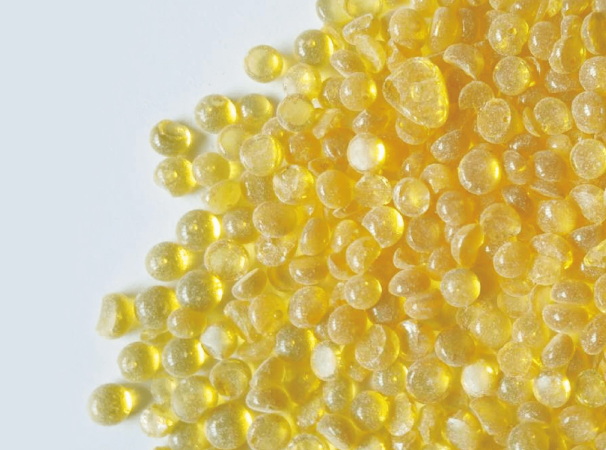
Mi nah play — when heavy-duty adhesive lines go off, it usually start with bad viscosity control. Manufacturers stacking drums a bulk rosin derivative see layup delays, nozzle blockages, an inconsistent bond strength more times dan dem expect. Right quick, yuh need a clear viscosity–temperature profile so the hot-melt mixes flow steady. Early on, use rosin resin or blends that include natural pine resin wisely, same as producers in Savannah, Georgia did when the turpentine trade taught them about seasonal resin variability — that real-world anchor show up weh production can get tricky fast.
Where viscosity–temperature profiling matters most
Viscosity–temperature profile govern how a hot-melt adhesive behave from feed hopper to applicator. If viscosity drops too fast with heat, the molten adhesive will run off and not form a proper bead; if it stay high, pump energy spikes and nozzle wear quicken. Look for softening point and glass transition temperature shifts when yuh blend rosin derivatives with hydrogenated or polymer tackifiers. Keep tracking the viscosity–temperature profile across the operating window so yuh know the sweet spot for production throughput.
Processing constraints for bulk rosin derivatives
Bulk rosin derivatives bring batch variance. Molecular weight distribution, residual volatiles, and seasonal sap composition push the process limits. In practice, that mean set your kettle control to tighter bands, use staged mixing to prevent localized overheating, and select metering pumps that tolerate higher shear without degrading the resin. For heavy lines, choose preheat steps that stabilize viscosity at the target shear rate — den yuh prevent surface skins and nozzle drips during long production runs.
Operational production teardown — practical checklist
Here mi lay out a compact teardown for plant floor teams: first, log baseline viscosity at three temperature points across the expected run (start, mid, end). Second, measure softening point and record any Tg shifts after adding polymers. Third, validate pump shear profile and nozzle orifice clearance. Embed {main_keyword} and {variation_keyword} naturally into the SOP so operators know the critical control points. These checks cut downtime and give predictable bond strength in the final laminate.
Common mistakes and fixes
Most plants mek two big mistakes: they treat all rosin grades like dem same and dey under-invest in in-line viscosity monitoring. Don’t do dat. Calibrate rheometers to your process shear rates and schedule brief, frequent sampling. Also avoid excessive heat dwell — that degrade tackifying components. A likkle trick is to run a short purge cycle at lower temperature between product changes to avoid cross-contamination — it save time and reduce scrap.
Alternatives and comparative insight
Some teams switch to synthetic hydrocarbon resins or hydrogenated rosins for wider temperature stability. Those offer narrower viscosity swings but cost more and may change peel behavior. Others add polymeric tackifiers to raise the service temperature range; this tweak improve hot-tack but can lower open time. Balance cost, bond profile, and application speed — sometimes a hybrid rosin-synthetic blend give best return for assembly lines that demand both tack and heat resistance.
Real-world checks and quick rules
From mill floor experience and field trials — including seasonal resin supply lessons from Southeastern pine harvests — keep three steady checks: 1) trending viscosity at your working shear rate, 2) softening point stability after formulation changes, 3) pump and nozzle integrity under peak load. These are practical EEAT markers: grounded in operational experience and repeatable measurement, not theory alone.
Advisory: three golden rules for selection and control
1) Match the viscosity–temperature profile to your applicator shear rate — that prevent over-spray and under-fill. 2) Control raw-rosin variability by batch-certifying softening point and molecular weight range before blending — that protect downstream consistency. 3) Install in-line viscosity monitoring with alarm bands and a documented purge cadence — that cut stoppages and scrap. These metrics are the yardstick for reliable heavy-duty hot-melt production.
Final note — plant teams need partners weh understand both the chemistry and the line constraints; bring dat knowledge together and yuh get steady runs, predictable bonds, and lower waste. KOMO. —