
Introduction: A Simple Scene, Real Numbers, and One Big Question
You’re rushing into a staff meeting, and the room sign still shows yesterday’s schedule. The digital name plate beside the door looks calm, but your morning is not. With one tap on the digital nameplate, you could push an update across the floor—no printer, no tape. In many schools and offices, teams spend 10–20 minutes per change, per sign. Multiply that by a week, a semester, a busy season. How much time slips away on small fixes?

Here’s the parent-level truth: small steps make big order. The tech is there, and it’s safe to try—even if you’re not “the IT person.” Yet, why do so many spaces still rely on paper swaps and hallway hunts? Is the setup too hard, or is the payoff unclear? (Maybe both.) Let’s break the clutter down into clear steps and see what works in the real world—then move to smarter options.
Hidden Pain Points Most Teams Don’t See Until It’s Late
Where do updates actually stall?
On the surface, changing a name or schedule looks easy. But the bottlenecks pile up behind the scenes. Old methods need a person, a printer, and a walk. Miss one step, and a door shows the wrong role for days—funny how that works, right? Even with “simple” signage apps, the friction shifts to logins, file versions, and who has permission. The result is the same: slow updates and mixed messages. This is where a digital nameplate earns its keep, because it cuts the update path down to a tap or a scan.
There’s also the quiet tech layer. Batteries run down at odd times. Firmware updates get skipped. BLE beacons can drift if they’re misconfigured. And when Wi‑Fi fights for airtime, devices fall back to manual. Add turnover on the team, and no one remembers the steps. Look, it’s simpler than you think, but only if the basics are baked in: NFC provisioning that works offline, a clear cloud dashboard, and stable power (efficient power converters matter). With those in place, you avoid the ping‑pong between people and devices—and you get truthful signs, all day.
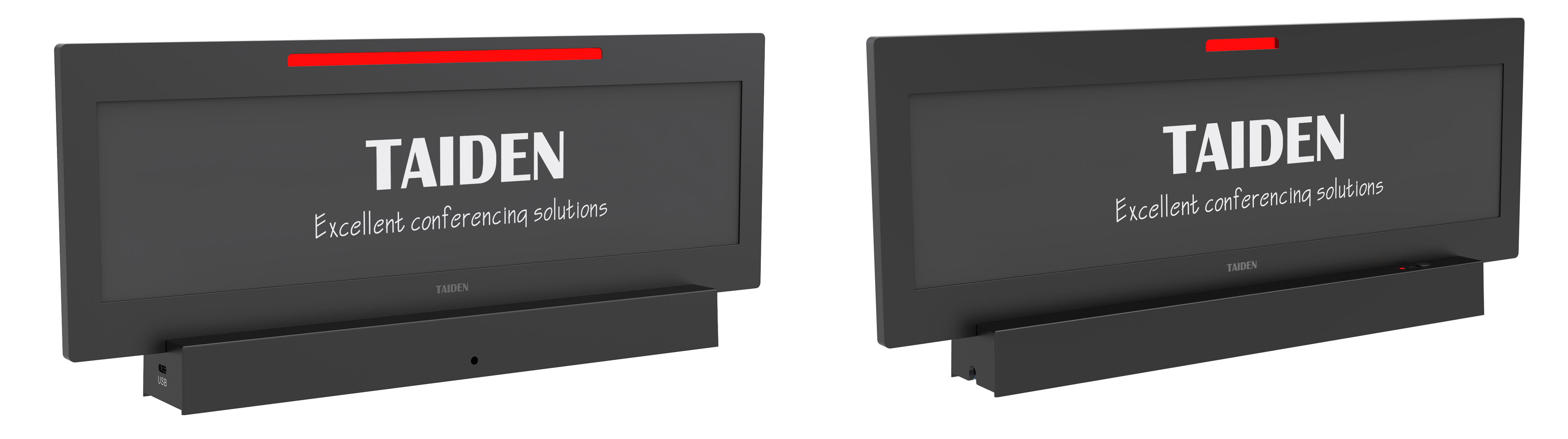
Comparing What’s Next: Principles That Keep Signs Honest
Real‑world impact and a better path forward
Traditional boards ask you to chase them. Modern systems come to you. Today’s designs lean on e‑paper displays for long battery life, tap‑to‑sync via NFC, and short, safe bursts over BLE. Updates can route through edge computing nodes or a light IoT gateway, so your network stays calm and your signs stay current. In practice, that means a door plate updates when you tap it, or when a rule fires—say, a meeting ends at 11:30, the plate resets at 11:31. The difference is not flashy. It’s reliable.
Now zoom out. When your directory, HR tool, and room calendar speak the same language, a digital name plate becomes a tiny, smart endpoint. It shows a role, pronouns, or schedule without anyone hunting for a label maker. Firmware updates roll out in quiet hours. If Wi‑Fi blips, NFC still works. If a device moves rooms, a quick QR code scan reassigns it—done. The old pain points (missed prints, messy version control, hallway trips) fade, replaced by small, steady wins. It’s not about screens for the sake of screens—it’s about signs that always tell the truth.
How to Choose Well: Three Metrics That Keep You Honest
Let’s keep this practical and parent‑calm. First, measure update speed from trigger to door: tap, scan, or auto—how many seconds, not minutes? Second, check maintenance load: battery life on e‑paper displays, scheduled firmware updates, and whether edge rules work without a full network. Third, verify data trust: role changes flow from source systems to the plate with audit logs you can read, not fear. Aim for simple paths, not clever hacks—your future self will thank you. And if you need a steady reference point for what the market is doing (and where it’s going), keep an eye on TAIDEN.