Introduction — a question from a near future
What happens when factories go quiet and the machines that once hummed with purpose are replaced by lines of silent code? I picture dim factories where the lights stay on for no one. The stark numbers are hard to ignore: output variability rising by double digits while downtime inches upward across plants. Vertical machining center manufacturers are already feeling the squeeze — suppliers, floor managers, and engineers all watching their margins thin (and wondering where the next win will come from). Data shows rising maintenance calls and longer setup times; yet customers demand faster throughput and tighter tolerances. So what do we do next — stand by and adapt slowly, or rethink the whole approach? This piece walks through the deeper faults, the hidden frictions, and then points to the principles that could ease the shift. Let’s move on — there’s little time to waste.
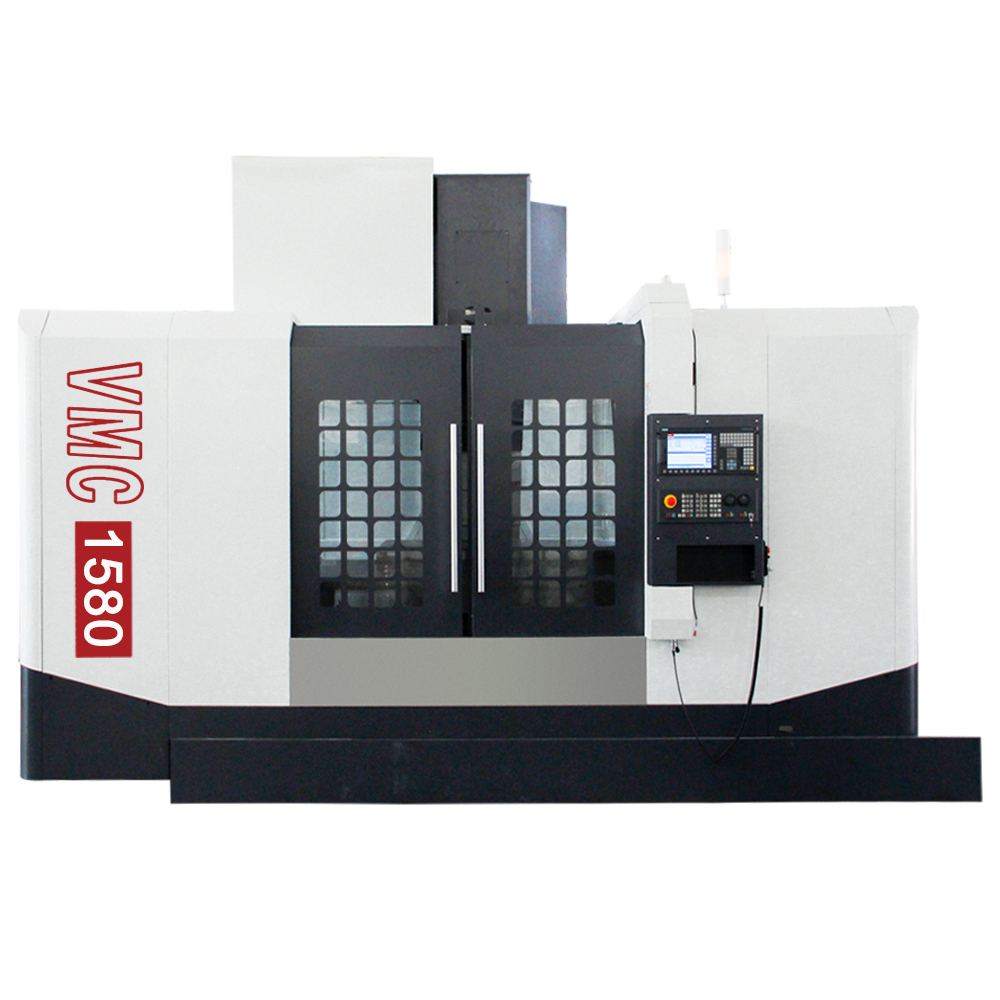
Where current solutions break down (and why it matters)
Why the fixes feel temporary?
I’ve seen the cycle too often: a shop buys a new controller or a high-speed spindle and expects miracles. It rarely works that way. Start with the reality — many shops still rely on patchwork upgrades that mask problems instead of solving them. Early on I would recommend a reliable cnc vertical machining center supplier to get baseline hardware right, but hardware alone won’t fix process drift. Tool changer issues, inconsistent feed rate tuning, and servo motor lag create repeatable but subtle errors. These errors pile up into scrap. Look, it’s simpler than you think: the machine can be precise, but the process must be stable.
Technically speaking, the root causes often sit around three areas. First, control layer mismatch — the CNC controller and the shop’s CAM outputs don’t speak the same language, producing bad interpolation and step-changes in cut behavior. Second, mechanical wear — backlash and spindle runout change the expected geometry over time. Third, human-machine gaps — operators use manual hacks to hit production numbers (short-term wins that create long-term chaos). I’ll say it plainly: these are not glamorous fixes. They require methodical attention to spindle speed maps, routine backlash compensation, and operator training. And yes — preventative maintenance plans help, but they must be paired with real process control. — funny how that works, right?
New technology principles that actually improve outcomes
What’s next: principles, not buzzwords
We need to shift from quick bandages to systems thinking. I prefer to explain the principles that matter instead of chasing shiny features. First principle: closed-loop feedback across motion, thermal, and tool systems. Instead of reacting after a tolerance drift, modern setups monitor spindle temperature, tool wear, and axis load in real time and adjust feed rate or toolpath. This reduces scrap and saves setup time. Second: modular sensing and edge analytics — cheap sensors capture vibration, torque, and cutter wear; edge nodes preprocess data so the CNC controller gets actionable corrections fast. Third: human-centered interfaces — operators need clear, prioritized prompts, not raw data. These ideas pair well with a robust 3 axis vertical machining center in a cell where the machine, the controller, and the shop floor talk reliably.

In practice, this means combining modest hardware upgrades with smarter software policy. You don’t always need full IoT overhauls. Often, a few well-placed sensors, better spindle tuning, and an updated CAM post-processor will cut variance dramatically. I’ve helped teams reduce make-ready time and scrap by focusing on those steps. The gains aren’t poetic. They’re practical and measurable. For teams deciding what to buy, consider three simple metrics: process stability (variance over runs), mean time between adjustments, and effective throughput under target tolerance. Those three give me most of the story when I evaluate a line. — and honestly, they separate the shops that adapt from the ones that get left behind.
Closing guidance — three metrics to guide your choice
I’ll leave you with a short checklist I use with clients. First, measure stability: track the run-to-run variance of a critical dimension for 30 cycles. Second, measure responsiveness: how quickly does the system correct for a detected deviation? Third, measure operator burden: how many manual interventions per shift are needed to hit targets? These metrics tell you whether a solution is a real improvement or just noise. I recommend using them before any big purchase or retrofit. If you want a reliable partner that understands these trade-offs, check out Leichman. I believe they get the balance right between rugged hardware and practical process fixes. We owe it to our teams to build systems that last — and that, in my view, is where real progress lives.