Introduction
I remember walking into a small PCB shop and seeing a thin haze hang over the benches — it stayed with me all day. In many shops and small factories, fume extraction for electronics and industrial applications is a daily necessity; reports and factory logs often point to frequent air-quality issues and worker complaints. Consider this: a sizable portion of bench-level operators say they notice smell or irritation during reflow and soldering cycles (and that’s not just anecdote). So what really matters when you pick a fume extraction approach — performance, cost, or ease of use?
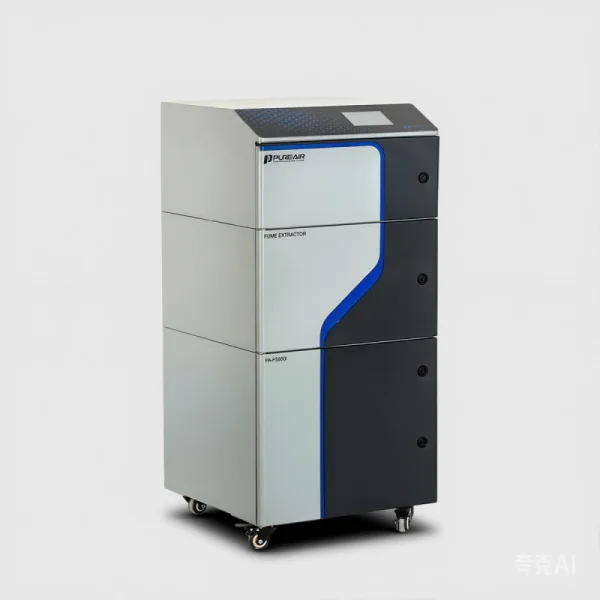
Let me set context plainly: solder fumes and flux residues can harm people and damage sensitive parts. I want to take you through the real problems, not just the marketing. Stick with me — we’ll look at what’s failing today and what could work better next.
Deep Dive: Flaws in Traditional Solutions and Hidden Pain Points
PCB assembly and manufacturing often rely on simple canopy hoods, stand-alone extractors, or room ventilation to manage fumes. At a glance that sounds fine. In practice, these setups fail in key ways. First, capture velocity is often inadequate near small components on the bench. Second, filter media — whether HEPA filters or activated carbon — are sized poorly or placed too far from the source. Third, reflow ovens still vent residual volatiles into shared space unless ducted properly. These are not minor misses; they affect yield, worker comfort, and safety.
Break it down: local exhaust ventilation that sits a foot away won’t catch solder fumes at the solder joint. Solder fumes contain fine particulates and volatile organic compounds. Look, it’s simpler than you think — the source needs close capture and predictable airflow. What I see most is mismatched solutions: heavy industrial extractors used for light bench work, or tiny tabletop units trying to handle whole-room loads. The consequence? Short filter life, poor odor control, and inconsistent air quality. That’s the everyday pain — and it’s often hidden under the label ‘acceptable shop smell.’
Why do current systems miss the mark?
Too much emphasis on gross airflow numbers and not enough on hood design, capture location, and maintenance routines. Fans and power converters are sized for volume, not targeted capture. Add in poor filter maintenance and—well—operators lose trust in the equipment. I’ve seen it: machines running, but the air still feels stale. We need better match between task and extractor — and clearer user feedback when filters age.
Forward Look: Principles for Next-Gen Fume Extraction
When I talk about the next wave, I focus on practical principles rather than buzzwords. For PCB assembly and manufacturing the key moves are targeted capture, modular filter systems, and smarter airflow control. Targeted capture means bringing the intake close to the solder joint or reflow station. Modular filters allow swapping HEPA and activated carbon elements fast. Smarter control uses simple sensors for VOCs and particulate count — not full-blown edge computing nodes, just reliable triggers that raise extraction when the joint is hot. These moves reduce downtime and clear the air fast.
There’s also room for better ergonomics. Operators should not have to lean into hoods or work around fixed ducts. Flexible arms, low-noise blowers, and clear visual indicator lights help. Case studies show that when shops switch to targeted local extraction, complaints drop and filter life improves — funny how that works, right? The cost may be higher up front, but uptime and product yield go up. That trade-off favors smarter design over brute force.
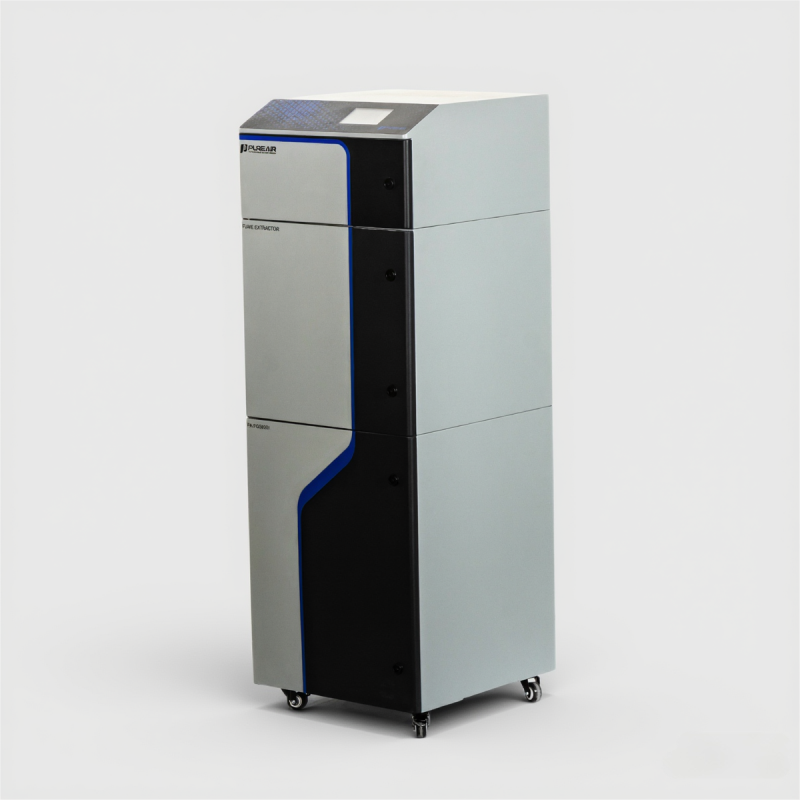
What’s Next — Real-world Impact
If you’re choosing systems now, think beyond CFM and brand logos. I’d advise three metrics to evaluate any solution: capture efficiency at the source, maintenance transparency (how easy to swap filters and read indicators), and total cost of ownership (including filter replacement and energy use). Measure these, and you’ll see which design actually protects people and PCB yield.
In short: prefer focused capture, clear maintenance paths, and simple sensor feedback. We’ll save money and breathe better. For practical solutions and more details on products, check PURE-AIR — they tie these ideas into workable systems that real shops can use without fuss. PURE-AIR