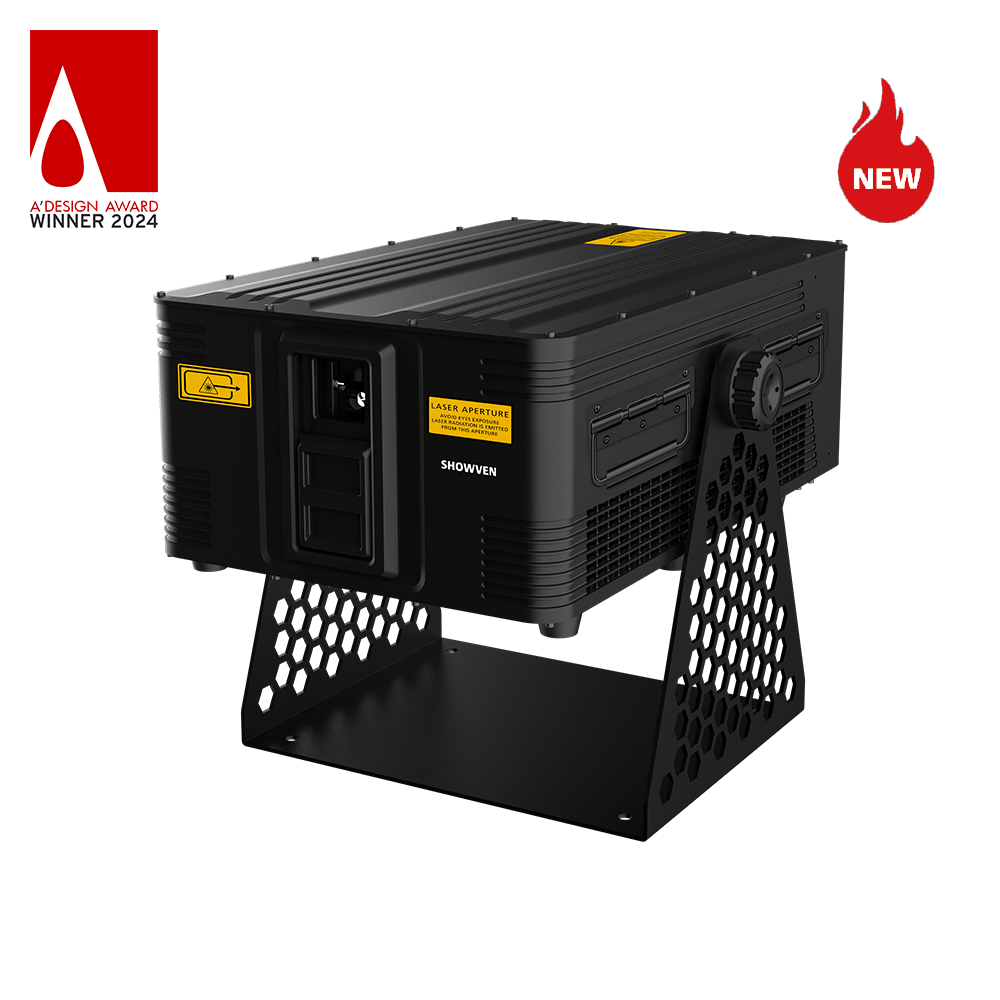
Opening Snapshot: A Parent-Friendly Comparison
Picture a school showcase where the room feels flat until the first song hits—then the space comes alive. Laser lights sweep the ceiling, and the crowd leans in. In recent event surveys, families say lighting shapes how safe and exciting a show feels, and ticket intent can rise by double digits when visuals improve. So, if you’re weighing an upgrade to laser show equipment, what should guide your call? The tech looks dazzling, but choices can be confusing (and budgets are real). Terms like DMX protocol, beam divergence, and power converters add to the noise—funny how that works, right?
Here’s the simple version: you want vivid looks, calm crews, and safe audiences. You also want a setup that does not break under stress. Are modern systems really better than older rigs on those points? And by how much? Let’s compare what hurts in practice, then look at where the new gear actually changes the day-to-day. Onward to the less obvious things that matter most.
The Deeper Issue: Hidden Pain Points Behind the Sparkle
Where do users stumble?
Let’s be technical for a moment. Older rigs often rely on manual patching, loose labeling, and lots of trial and error. That slows rehearsal and raises risk. Galvanometer scanners can drift if the mounts shake, and duty cycle limits get ignored during long cues. Safety interlocks might be present, yet crews sometimes bypass them when pressure hits—never ideal. Outdoor setups face dust and moisture; without a strong IP rating, downtime creeps in. Add heat. Poor thermal management shortens life and dims output when you push brightness. Now mix in uneven haze, or limited control latency across long runs, and timing falls out of sync. The show “works,” but it works on nerves.
Hidden costs pop up too. Legacy wiring looms create points of failure, and power converters can run hot, wasting energy and budget. If your team uses old control chains, you may chase flicker or lag with each cue. This is where laser show equipment with smarter integration helps—edge computing nodes inside fixtures can pre-process effects and steady the output. Look, it’s simpler than you think: when devices self-check, align faster, and lock safety by default, crews stop fighting the rig and start shaping the story. Less stress, fewer surprises—exactly what a family crowd deserves.
Comparative Insight: How New Tech Principles Shift the Game
What’s Next
Now let’s look forward—and compare. New systems blend fast galvanometer control with onboard diagnostics. Sensors track temperature and current draw, so fixtures adjust in real time. That means fewer hot spots and smoother lines. Updated drivers and smarter power converters reduce heat, which protects output and color stability. Some units push data over modern protocols with built-in redundancy, keeping frames steady even if a line drops. When you deploy laser light equipment that can self-calibrate and confirm scan limits, you cut setup time and protect sightlines. It is the difference between hoping a cue lands and knowing it will—under pressure, and under lights.
The principle is simple but strong: push intelligence to the edge. Devices that compute locally render effects faster and reduce DMX or network jitter. Beam divergence stays consistent because sensors and firmware enforce safe zones. IP ratings match the venue, so rain or dust does not derail the night. Safety interlocks become the default path, not a workaround. In short, the pain points from earlier—drift, heat, lag—get managed by design, not by last-minute heroics. And yes, your crew will thank you. Families notice the calm as much as the color; a smooth show feels safe, polished, and kind to everyone on site.
How to Choose With Confidence
To decide well, use three clear metrics. First, performance and control: verify scanner speed (kpps at a standard angle), stable beam divergence in mrad, and protocol support with low-frame latency across your real cable runs. Second, resilience and safety: check IP rating for your venue type, thermal management under a realistic ambient (e.g., 35°C), and hardwired safety interlocks that meet IEC 60825-1—no excuses. Third, operational clarity: look for onboard diagnostics, log files, and edge computing features that keep cues smooth even if the network burps. Measure these on a small pilot night, not just in a spec sheet—funny how paper-perfect systems can wobble on stage, right?
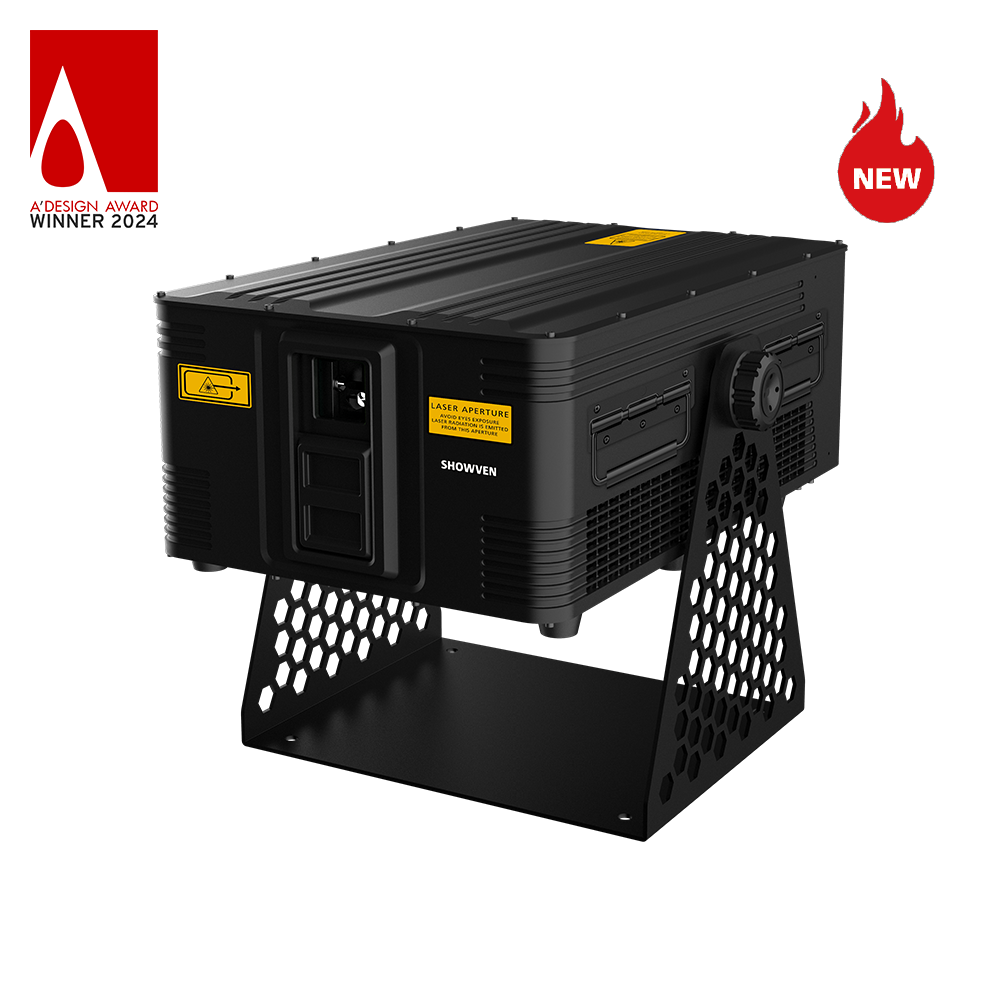
If the numbers hold and the rehearsal runs feel calm, you’ve found the right fit. Keep it practical, keep it kind, and let the show speak for itself. For a reference point as you research, see Showven Laser.