A Street-Level Look at Today’s Ride
Here’s the truth, bru: the city is rough on riders, even when the chrome still shines. You hop on your cruiser motorcycle in the chill of a Joburg morning, and the day already has hills, heat, and taxis in mind. Many riders go hunting for good cruiser motorcycles, but they often find the same old problems on the showroom floor. In local chats and global surveys alike, most riders complain about weight, heat, and slow steering at parking-lot speeds. The data point is clear enough—more than half of urban cruisers get used for short hops with stop-start traffic—and that is where geometry and ergonomics bite. The low seat feels sweet until your hips lock; the heavy clutch gets tiring; the torque curve helps off the line but can surge in a tight gap. Eish, we’ve all felt that.
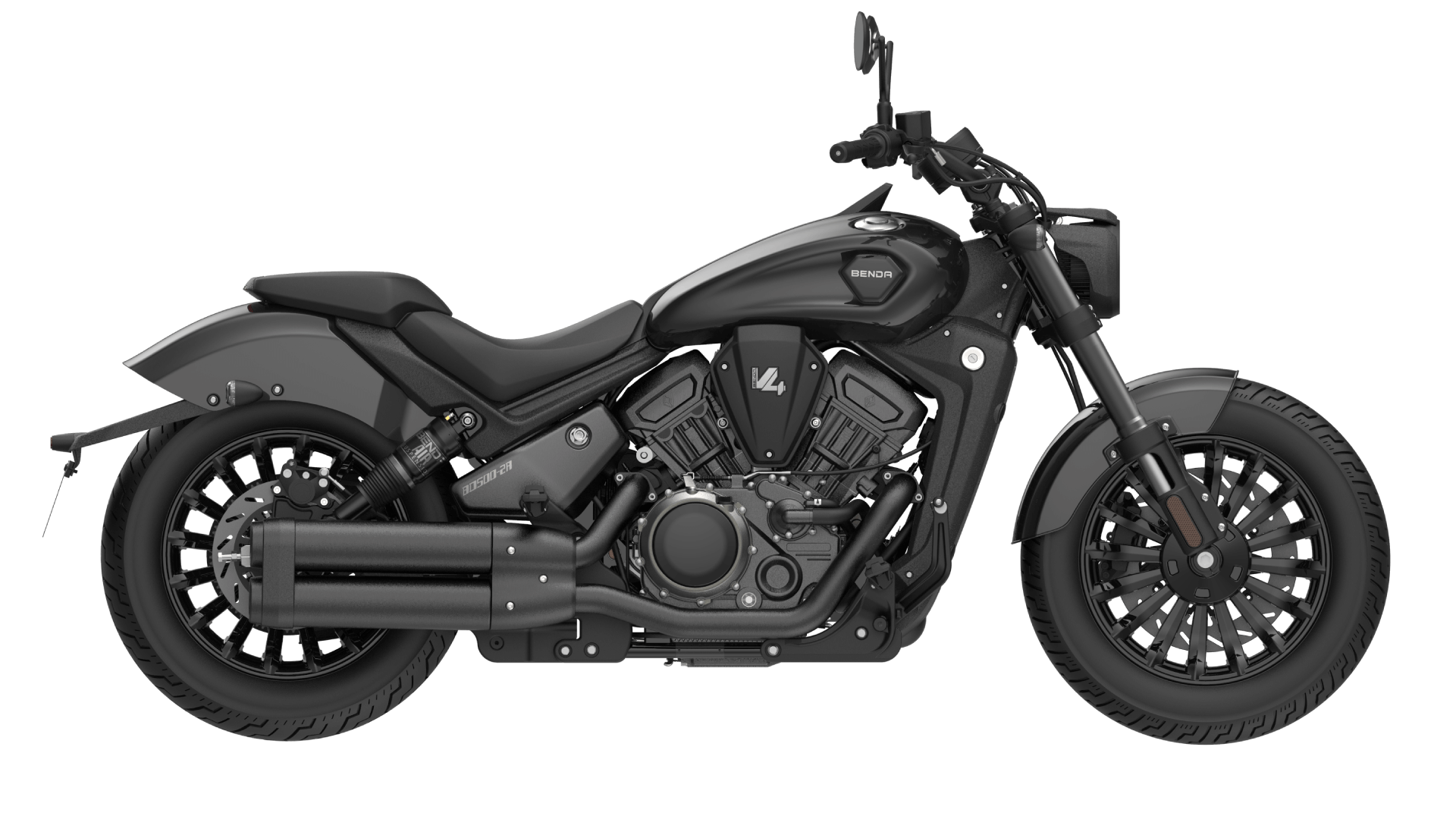
So the question is simple: how do you pick a cruiser that feels calm in traffic and steady on weekend runs, without losing soul? Compare what matters most, not just chrome and cc’s. Look for rake and trail that balance stability and agility, ABS that doesn’t feel grabby, and an ECU tune that is smooth at 2–3k rpm. Also think about heat management, final drive noise, and charging ports for your phone (small things, big wins). Because the ride you live with every day shouldn’t punish you—funny how that works, right? Let’s unpack the real gaps, then map the upgrades that actually help.
Hidden Friction: Where “Good” Specs Still Let You Down
Why do nice numbers still disappoint?
Look, it’s simpler than you think. Most brochures shout peak power and big pistons, but daily comfort comes from low-speed manners. If the ECU mapping is choppy at low rpm, the bike will lurch in traffic. If the rake and trail are too long without matching fork tuning, slow turns feel heavy, and U‑turns become a gym workout. A wide bar helps, but not if the clutch pull is stiff and the friction zone is narrow. Many seats look plush yet lack support under the sit bones after 30 minutes—your back tells you before the spec sheet does. Then there’s heat soak from the rear cylinder on air‑cooled mills; no one loves a roast on the thighs at a red light.
Traditional answers miss the mark. Loud pipes won’t fix brake dive. A thicker seat won’t solve knee angle if mid‑controls are cramped. Belt final drive is quiet, but if the tension is off, you’ll get whine and snatch. And budget shocks? They blow through travel, then pogo on bumps. The result: tired wrists, vague steering, and early fatigue. These are the quiet pain points riders keep in their heads but seldom see in marketing. The fix is targeted: smooth fueling at the bottom of the torque curve, a kinder clutch, sorted springs with proper rebound, and controls that fit your inseam—not someone else’s.
Comparing the Next Wave: Tech Principles That Change the Ride
What’s Next
The better path is not more chrome; it’s smarter basics guided by new tech principles. Start with fueling: ride‑by‑wire plus a clean low‑rpm map reduces the snatch that scares you at a slow roll. An IMU that talks to cornering ABS stabilizes panic stops without the grabby feel. A slip/assist clutch cuts hand strain in gridlock while keeping strong engagement on hill starts. Liquid‑cooling or directed airflow shrouds keep engine heat away from your legs. Even a small DC‑DC converter and USB‑C port mean you can power nav without hacking the harness. All this sits on the CAN bus, so updates and diagnostics are easier. When done right, you get calm steering, predictable brakes, and that steady thump you bought the bike for—just without the drama.
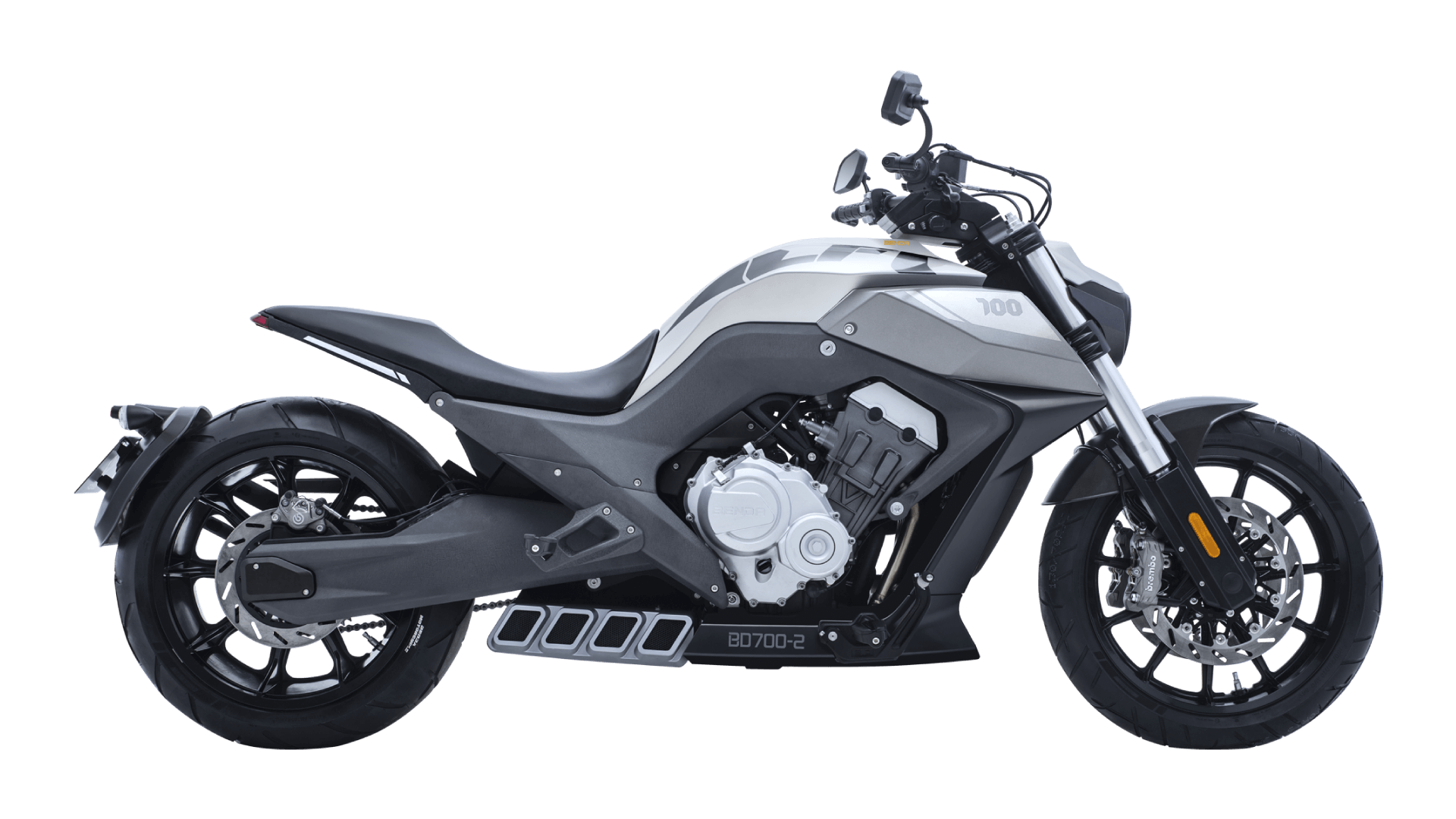
Real talk, the global field is moving. Several makers, including builders of China cruiser motorcycles, are pushing value with tuned suspension out of the box, dual‑channel ABS, and gearing matched to urban speeds. The gap between “entry” and “premium” is closing fast—surprising, hey? Case in point: mid‑weight cruisers now come with slipper clutches, LED projectors with corner fill, and seats shaped with pressure mapping. That’s not fluff; that’s fewer wrist aches and safer night rides. Compared side by side, the winners pair sane rake and trail with progressive springs and a gentle throttle tip‑in. You feel it in the first 200 meters. Less wobble. Less heat tick. More control. And then it clicks—this is what future‑proof feels like.
Before you buy, use three quick metrics to keep it honest: 1) Low‑speed control: check ECU smoothness and clutch feel in a parking lot figure‑8. 2) Fit and fatigue: measure reach to bars, peg position, and seat support after 20 minutes; no hot spots, no numb hands. 3) Safety stack: dual‑channel ABS at minimum, with sensible brake feel and, if possible, IMU support. If a bike clears these, the badge matters less than the ride you can live with. Simple, practical, and kind to your body. That’s the point, neh? For deeper comparisons and specs across emerging models, see BENDA.