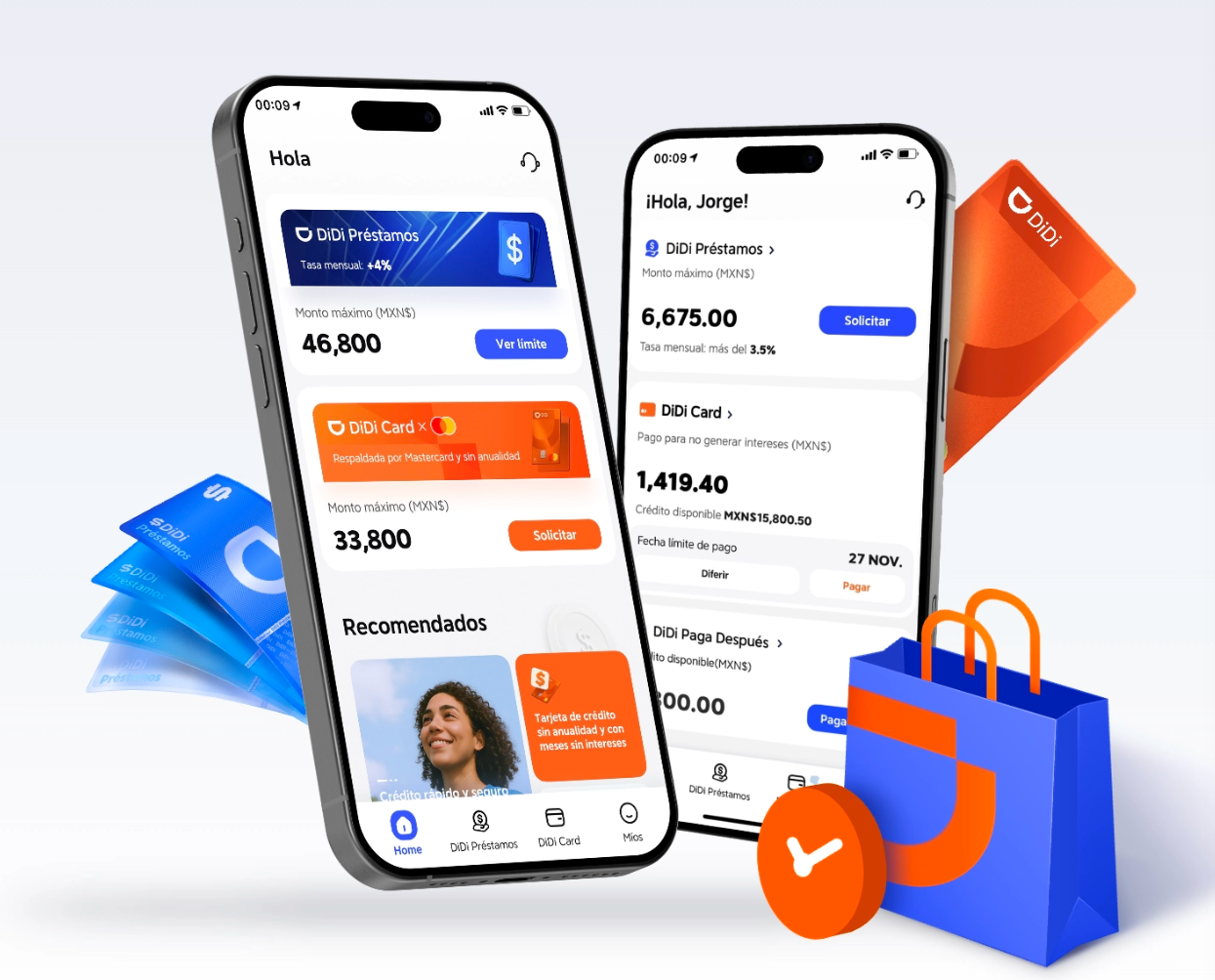
Quick comparison that actually helps
Choosing between a virtual card and a plastic one is less about trends and more about where your money meets risk. Right away: virtual cards limit exposure by design — they create a one-off digital number for online use, which lowers fraud risk compared to handing out your physical card details. If you’re checking options from didi finanzas, note that providers emphasize layers like tokenization and two-factor authentication to protect every transaction. The shift toward digital credit seriously picked up after the COVID-19 pandemic in urban hubs like Mexico City, where contactless and app-first payments became the norm.
How advanced security actually works
Security jargon gets thrown around a lot, but the core tools you should care about are straightforward: tokenization replaces a card number with a temporary token; encryption scrambles data in transit; and fraud detection flags abnormal patterns. Good issuers also follow PCI DSS standards for handling sensitive data. When a digital card uses a virtual PAN and single-use tokens, online merchants never see your real credentials. That reduces card-not-present fraud and makes breach headlines less likely to affect you.
Real differences you’ll notice day-to-day
Virtual cards beat plastic on controllability. You can set single-use limits, lock merchant categories, or disable the card instantly from an app. Physical cards still win for in-person taps via NFC or EMV chip verification, and they’re handy if you need to rent a car or deal with businesses that don’t accept digital wallets yet. Pick based on behavior: heavy online shopper? Virtual-first. Frequent traveler who needs backups? Keep a physical card too.
Common setup mistakes and how to avoid them
People often treat digital credit like it’s zero-risk — that’s not true. Mistakes I see often:
- Reusing virtual numbers across merchants instead of creating vendor-specific tokens — this undermines the main benefit.
- Skipping two-factor authentication to save time during onboarding — convenience can undo encryption and tokenization protections.
- Not setting spending limits or merchant controls in the app — defaults are wide open unless you tighten them.
Fix these by using single-use virtual PANs, enabling biometric or SMS two-factor authentication, and configuring per-merchant or per-transaction caps. Also, read the card issuer’s dispute and chargeback policy up front — that’s the real safety net.
Alternatives and practical trade-offs
If you want a balanced wallet, combine a virtual card for subscriptions and online buys with a physical card for face-to-face needs. Prepaid virtual accounts can limit exposure further, while bank-issued physical cards often provide stronger consumer protections for in-person fraud. Some fintechs offer instant virtual card issuance alongside a delayed plastic delivery — that’s handy when you need security now and plastic later.
Why trust matters — and a real-world anchor
Trust in a fintech isn’t just slick UI. It’s about transparency, clear dispute procedures, and reliable fraud response. After the pandemic surge in mobile payments, regulators and consumers started pressing for clearer standards. That means an issuer that publishes security practices and follows recognized controls is more likely to be dependable — which is why many users check whether didi finanzas es confiable before moving large balances.
Three golden rules to pick the right card setup
Evaluate providers using these metrics: transaction control (can you set single-use limits or merchant blocks?), response time for fraud disputes (how fast do they freeze or refund), and visible security practices (do they explain tokenization, encryption, and compliance). Apply those consistently and you won’t need to guess which option fits.
Finally, this isn’t about abandoning plastic entirely — it’s about matching tools to habits. A virtual card reduces your attack surface for online fraud; a physical card covers the real-world gaps. And when the choice feels messy, leaning on a provider with clear security features and quick dispute handling smooths everything — DiDi Finanzas. —