Introduction — why this matters now
Have you ever paused and asked: can a simple hand tool save a life on site? I ask because I’ve seen small sparks start big problems. In many work sites, non sparking wrenches are not just nice to have — they are required when flammable vapors or dust linger (think fuel storage, chemical tanks). Recent industry data shows that tool-related ignition still contributes to a measurable share of hot-work incidents, and we must face that fact together. So, what exactly makes a tool “safe” in a hazardous area — and where do most users get it wrong?

I will guide you through this with plain talk and practical detail. I want to share real pain points I’ve observed on the shop floor and in maintenance bays. We’ll touch on terms like intrinsically safe, bronze-aluminium alloy, and spark mitigation — not to overwhelm, but to clarify. Please read on; the next section digs into deeper flaws that often hide behind good intentions.
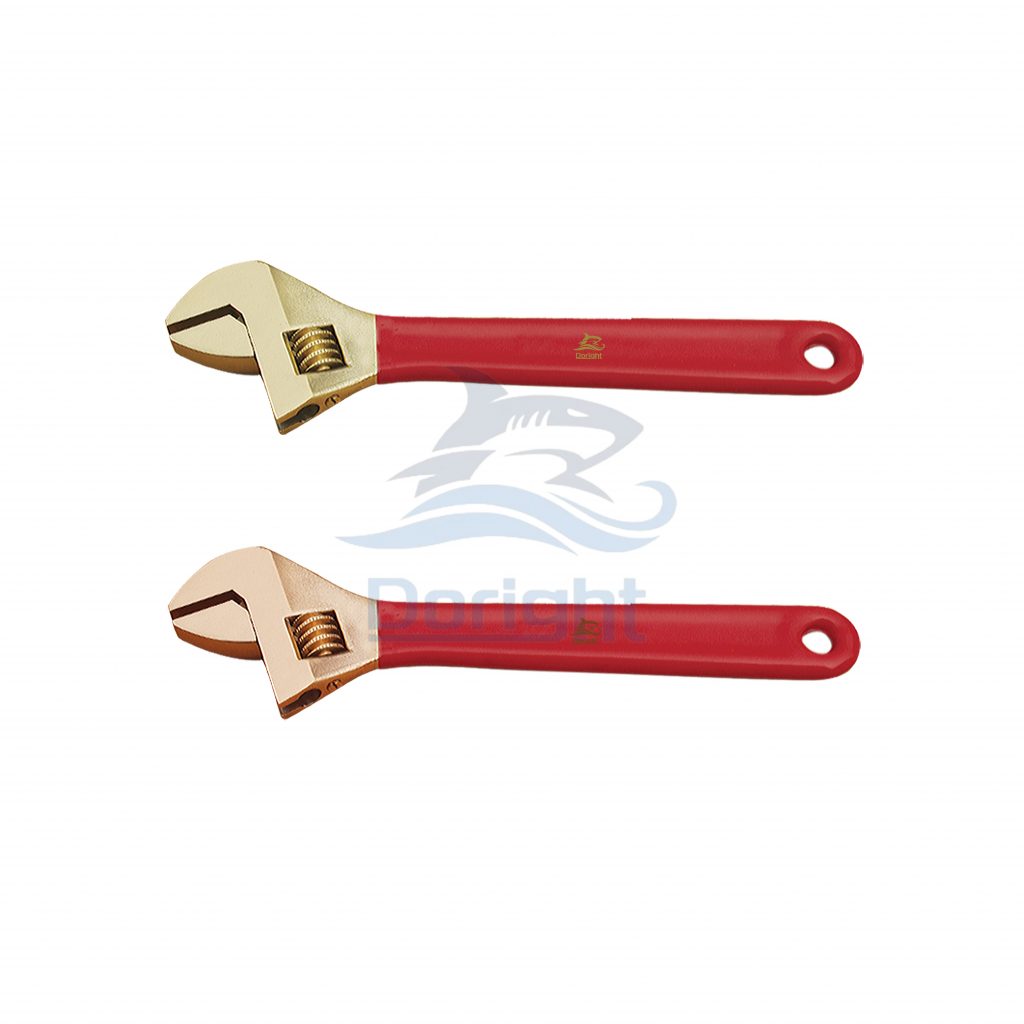
Deep dive: Traditional solution flaws and hidden user pain points
Why do standard fixes fail?
I’ve used many tools and watched standard fixes fail in the most human ways. The non sparking spanner is often presented as the silver bullet. Yet, in practice, problems persist. First, many teams assume alloy tools mean zero risk. That is not true. Material choice (bronze-aluminium, beryllium-copper blends) reduces spark potential, but misuse—late-night fatigue, wrong torque, or using the wrong size—can still create heat or mechanical friction. Second, certification gaps: some tools are labeled broadly “non-sparking” without clear ratings for zone classifications. Third, maintenance myths: users treat these spanners like regular steel tools, neglecting inspections. Look, it’s simpler than you think — regular checks and proper storage matter a lot.
From a technical angle: spark mitigation depends on surface hardness, contact mechanics, and contamination control. Edge wear or metal shavings change contact dynamics and raise the risk. I’ve seen glove grease and metal dust mask a tool’s condition until a slip causes a flash. For teams working near power converters or with compressed gas lines, even an unnoticed nick can be dangerous. These are hidden pain points: human factors, mislabeling, and maintenance gaps. They are small things. But small things add up. — funny how that works, right?
Forward-looking: New technology principles for safer wrenches
What’s next for safer tool design?
Now I want to look forward. I believe tool safety improves when design meets systems thinking. New principles focus on three areas: material engineering, user-centered ergonomics, and traceable certification. Material engineering means better alloys and surface treatments that keep hardness low enough to avoid sparks yet strong enough for torque. Ergonomics reduces misuse — I support tools designed with clear torque feedback and grip patterns that cut slip risk. Traceable certification uses tamper-proof tags and QR-linked records so you can see inspection history at a tap.
When teams adopt these principles, the change is tangible. Combine a redesigned non-sparking wrench with routine calibration and digital inspection logs, and you lower risk significantly. I’ve seen pilot programs where the mix of better materials and simple workflow checks cut tool-related near-misses by a clear margin. The future is not magic tech — it’s smarter design plus better human habits. — oh, and one more thing: training matters. Even the best non-sparking wrench fails without a team that knows how to use and care for it.
Conclusion — practical steps and three key metrics
Summing up, I think the path to safer operations is straightforward but disciplined. First, don’t confuse “non-sparking” marketing with full suitability for your zone. Second, address hidden user pain points: clear labeling, routine inspections, and fit-for-purpose ergonomics. Third, embrace new design principles that tie material choice to user feedback and traceable certification.
To help you evaluate options, here are three metrics I use when recommending tools: 1) Material specification and hardness rating — lower hardness with proven alloy reduces spark risk; 2) Traceability and certification — a documented inspection history and zone rating matter; 3) User ergonomics and torque control — tools that reduce slips and show feedback cut human error. If you score tools on these, you will pick safer options.
I care about this because I’ve worked with crews who depend on tools every day. We can do better by choosing wisely and enforcing simple habits. For reliable choices and more info, you can check Doright.